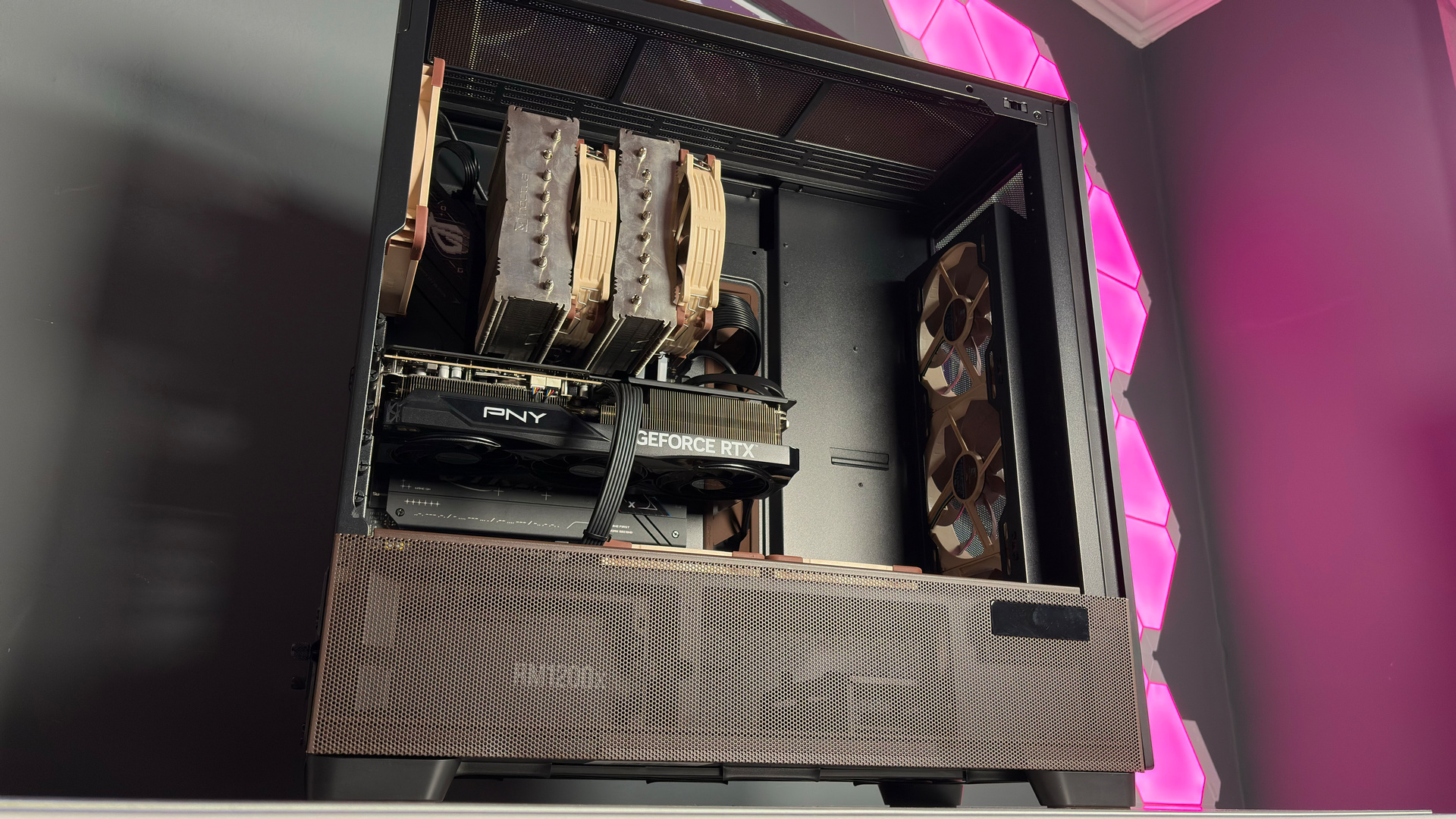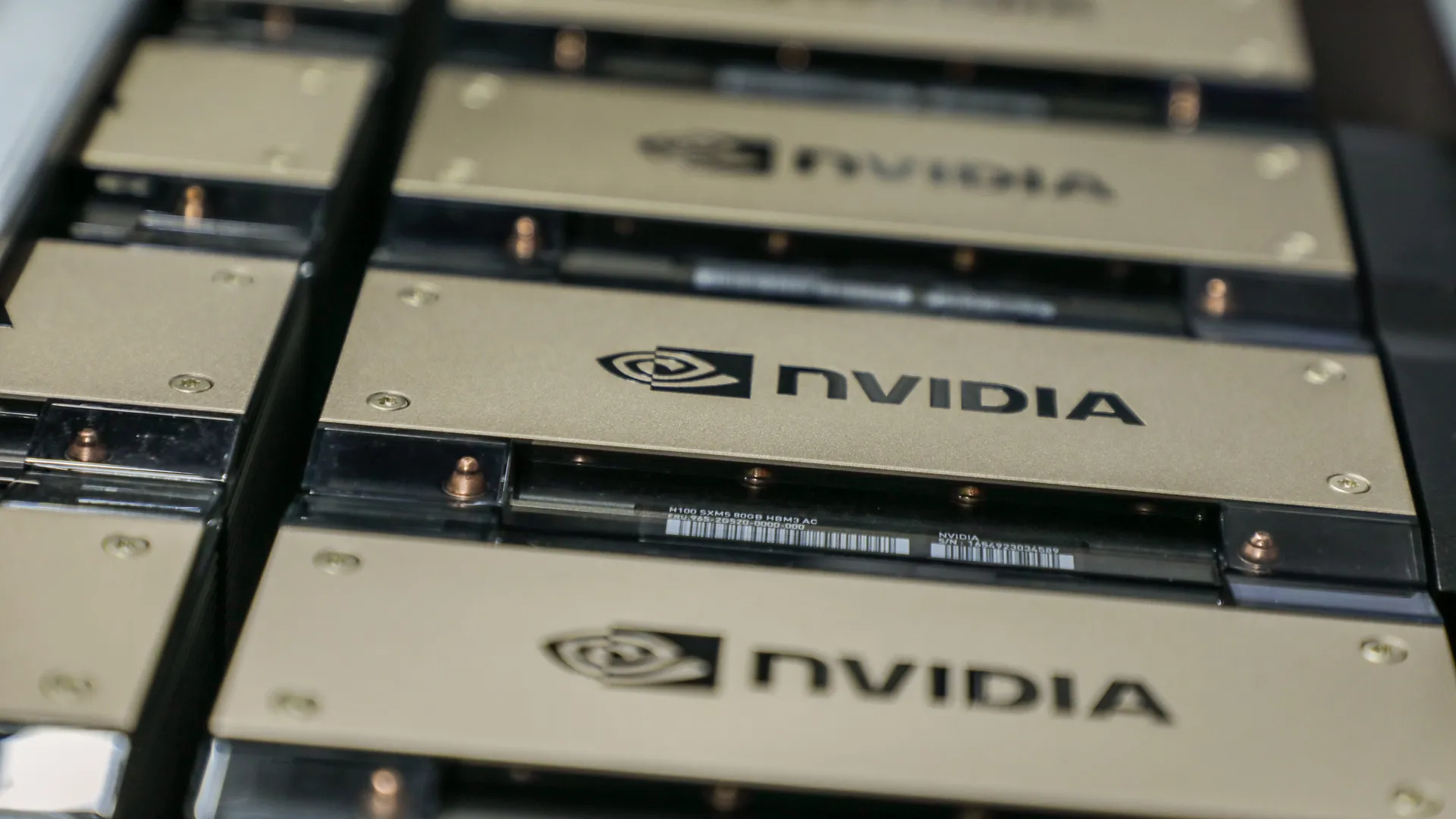
We reported recently that the US government may cap exports of Nvidia's H200 chip to China. But for that cap to be meaningful, China would need to approve imports of H200 in the first place. According to multiple sources, that has now happened.
Both Reuters and the Wall Street Journal report that Chinese authorities have now approved the importation of H200 AI GPUs. H200 is the full-fat version of Nvidia's Hopper generation of AI GPUs. In other words, it's not the cut-down H20 GPU that Nvidia created to slip in under earlier export restrictions that limited the maximum capability of AI GPUs that could be sent to China.
However, H200 is not actually Nvidia's most powerful AI GPU. It's a full generation behind Nvidia's Blackwell AI GPUs, such as the B200. What's more, Nvidia is very much tooling up for Rubin, its next-gen architecture to follow Blackwell, and says the chips—the AI versions, not any Rubin-class GPUs for gaming, sadly—will begin shipping in the second half of this year.
Article continues belowIndeed, Nvidia actually stopped production of H200 in response to the effective China ban. But the company is now spooling up the massive processors once again. "Our supply chain is getting fired up,” Nvidia CEO Jensen Huang said in reference to the restart of H200 sales to China at a press conference at the GTC 2026 event. Huang says that Nvidia has now received H200 orders from "many customers in China."
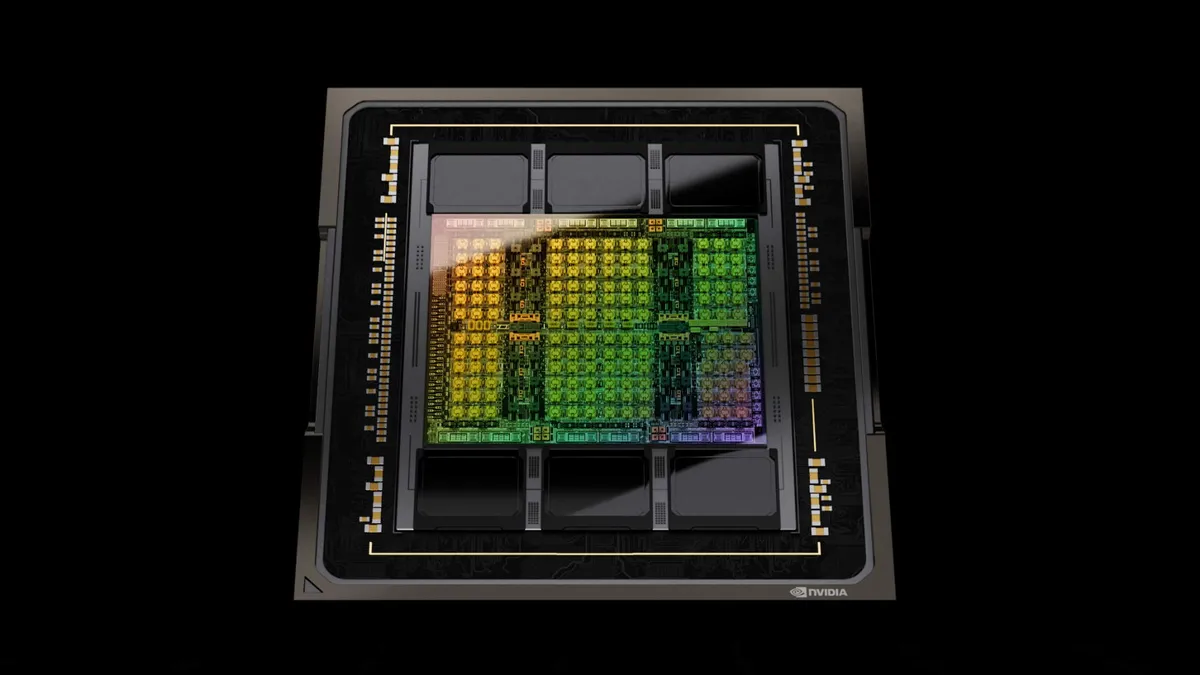
Of course, ongoing exports of H200 GPUs to China will also require approval from the US government. Earlier this month, we reported that the US government may cap those exports to 75,000 GPUs for each individual Chinese customer. Notably, that 75,000 cap also includes any AI chips supplied by Nvidia's main competitor, AMD.
What that actually means in practice, should the cap even be implemented, remains to be seen. Cynics might assume that the cap might be easily circumvented should Chinese authorities aid in obscuring the true identity of various entities ordering GPUs from Nvidia and AMD.
If you are wondering why China might want to limit GPU imports in the first place, that's an intriguing question of its own. Presumably, the Chinese authorities are playing off two competing goals. Firstly, China wants to develop its own AI models and, right now, the best hardware with which to achieve that involves American-designed GPUs.
On the other hand, China likely also wants to encourage the design and manufacture of its own AI hardware, freeing itself from any dependence on US hardware. Limiting GPU imports could have that effect. Balancing those two not entirely complementary aims is probably at the crux of current Chinese decision-making.
The US, meanwhile, wants to leverage its commercial advantage in AI while also trying to limit China's ability to compete at the very cutting edge of AI model development. All of which means this whole GPU-export thing is set to run and run as the US and China engage in a delicate dance of competing interests and aims.
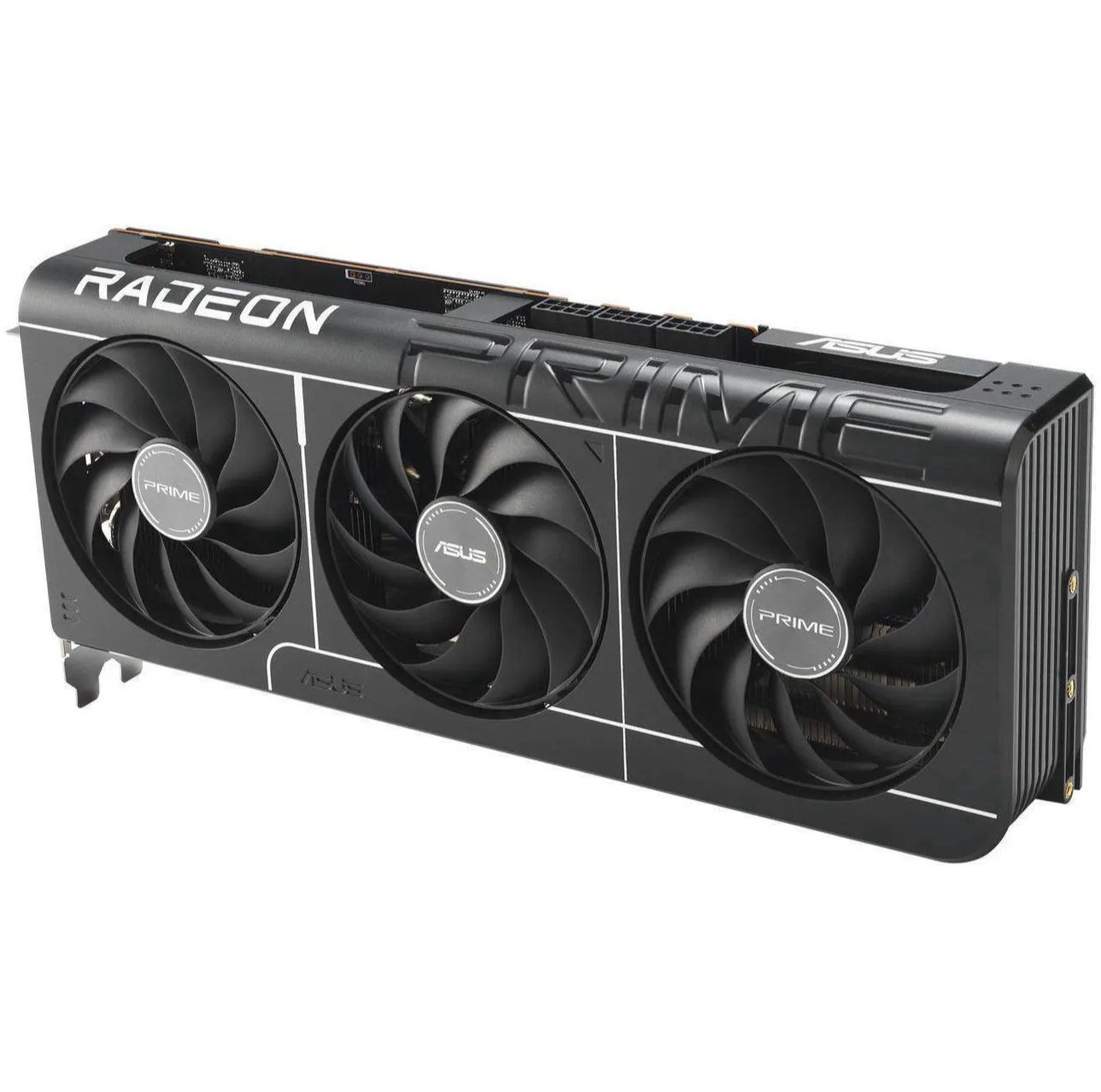
1. Best overall: AMD Radeon RX 9070
2. Best value: AMD Radeon RX 9060 XT 16 GB
3. Best budget: Intel Arc B570
4. Best mid-range: Nvidia GeForce RTX 5070 Ti
5. Best high-end: Nvidia GeForce RTX 5090

You must confirm your public display name before commenting
Please logout and then login again, you will then be prompted to enter your display name.