Join The Club





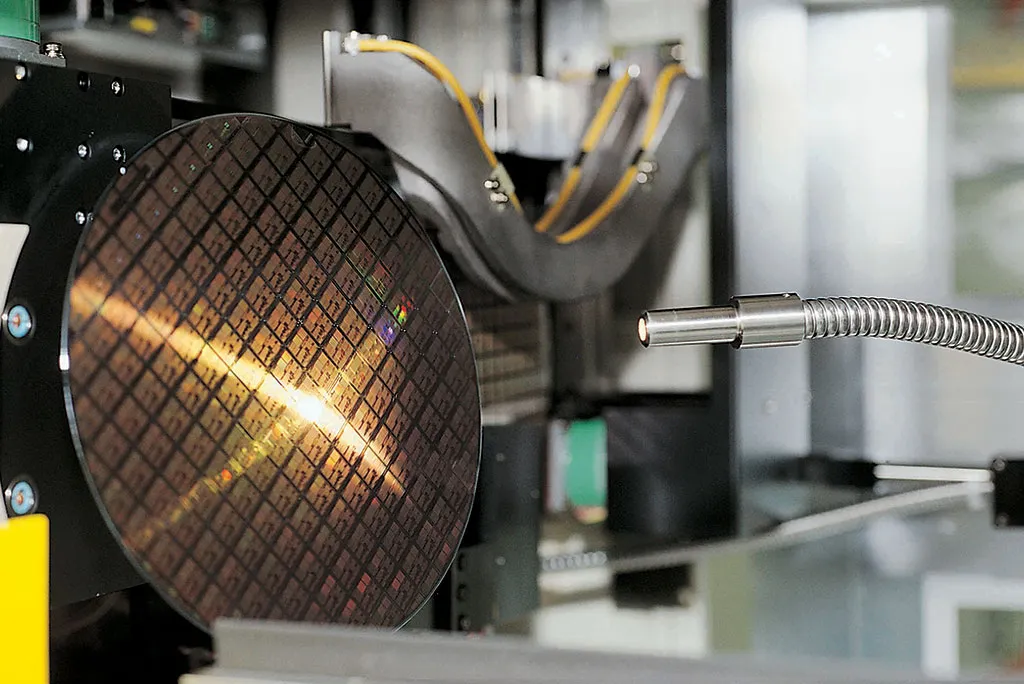
For many years, it has been Apple that's been first in line to use TSMC's newest process nodes, as well as taking the lion's share of all those wafers. However, the meteoric rise in the demand for AI chips, backed by hundreds of billions of dollars, would appear to have pushed Apple aside in favour of Nvidia, according to a new report.
This is what is being claimed by Tim Culpan, a technology reporter based in Taiwan. With years of experience at Bloomberg behind him, he is as good a source as you're going to get, unless any of the aforementioned parties decide to spill the beans directly.
Article continues below
While Apple sells hundreds of millions of iPhones every year, the demand for Nvidia's AI chips is so high that it's clear as to which company will be ordering the most wafers. One might think TSMC's long and close relationship with Apple will mean it gets preferential treatment, but money tops them all and AI is backed by a lot of money.
Culpan argues that while Nvidia may indeed be the new Apple…sorry, apple…in TSMC's eye, it might not remain that way indefinitely or possibly even for very long. That's because Apple has huge excesses of cash and, despite all the expectations of the phone market slowing down due to saturation, it consistently sells millions of products every year. In other words, it's a safe bet.
TSMC makes more than just phone chips for Apple, as its Macs, MacBooks, and other devices also sport Taiwan-made dies. Nvidia has consistency in the form of its consumer GPU sales (which are also used in its professional market), but the same can't be said for its AI chips, as there is no evidence to suggest that the rise in AI demand can be sustained. It's riding high right now, but who knows what will happen in the next few years?
What does this mean in the short term, though? Well, TSMC is absolutely going to favour its HPC customers (AMD, Intel, Nvidia, etc) because collectively, they're spending huge sums of money on wafers for chips. They're all being charged more for ordering wafers on the latest nodes, and they can all afford it, too (plus they can always pass those cost increases on to the end user).
But no matter how much they beg for bigger slots in the order books, no matter which customer is the most important, no matter which one is the safest bet, it's TSMC that holds all the cards. Designed an incredible new GPU, with trillions of transistors, but one that has to be made on the very best process node? You'll need to talk to TSMC to make it, and if they can't right now, then you'll just have to wait until they've made a new foundry to do so.
Even if you just so happen to be Nvidia.
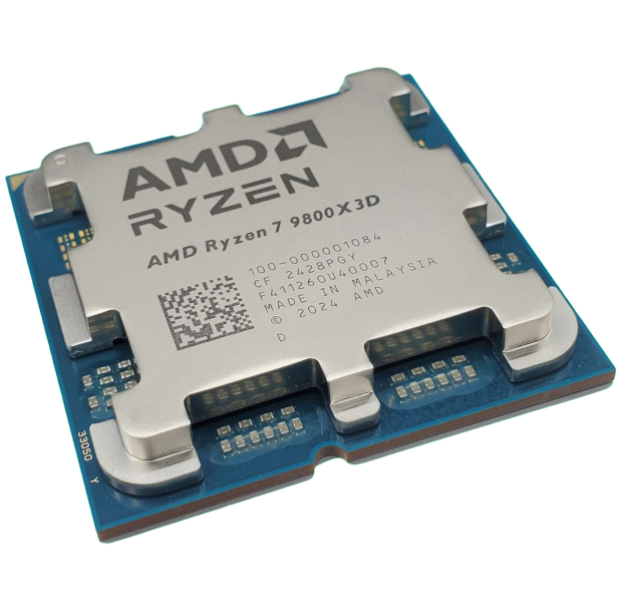
1. Best CPU: AMD Ryzen 7 9800X3D
2. Best motherboard: MSI MAG X870 Tomahawk WiFi
3. Best RAM: G.Skill Trident Z5 RGB 32 GB DDR5-7200
4. Best SSD: WD_Black SN7100
5. Best graphics card: AMD Radeon RX 9070

You must confirm your public display name before commenting
Please logout and then login again, you will then be prompted to enter your display name.