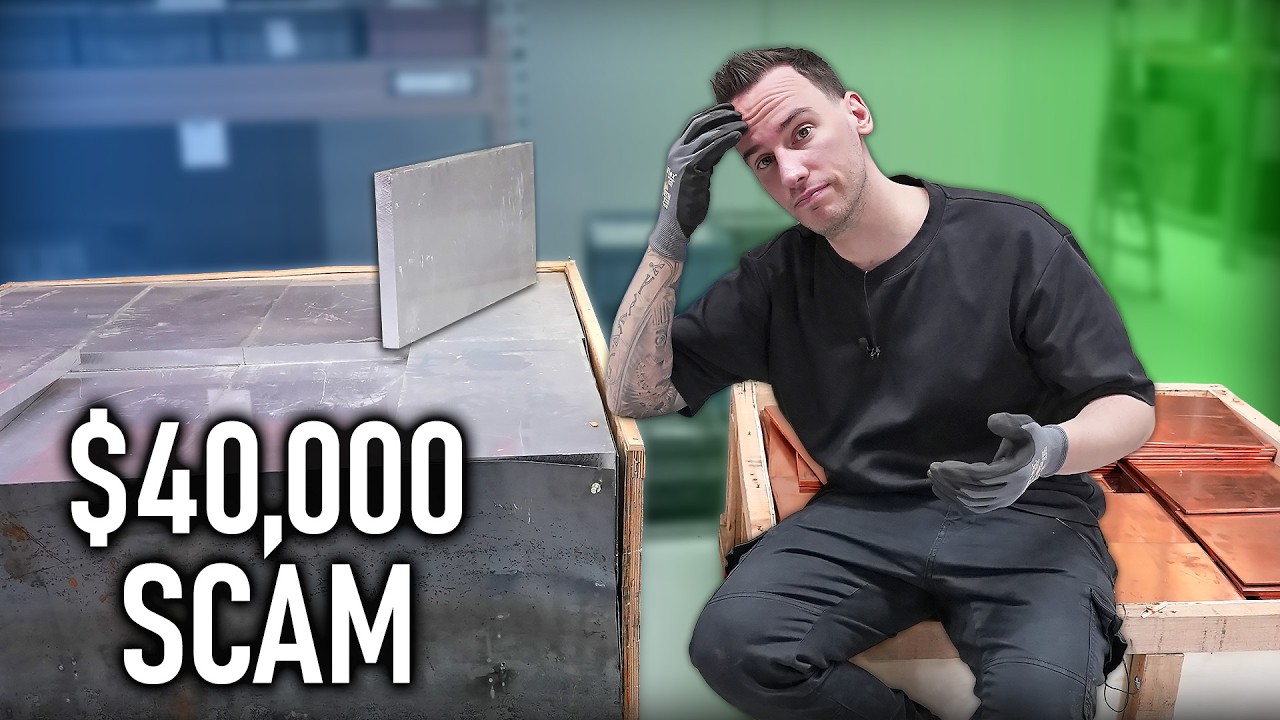
Last month, we reported on how the rapidly increasing cost of copper was potentially going to impact the PC industry, as explained by Thermal Grizzly's Roman 'Der8auer' Hartung. Now he's back again on the subject of copper, but this time highlighting a more alarming and depressing side of the current market: industrial-scale material fraud.
In the video, he goes through all the checks he went through to ensure that the products being ordered were fit for purpose, and after being satisfied with all the evidence presented, Thermal Grizzly placed their orders with two separate suppliers, one for just copper, the other for aluminium and copper.
Several weeks later, multiple pallets of metal arrived in Germany, upon which the company's usual quality control checks began. Cutting a small 1 mm piece from the corner of a sheet and then checking it via X-ray spectroscopy confirmed that the material was 100% pure copper.
But the next test contradicted this, as the sheet failed a conductivity check. Puzzled by this, the team then milled the sheet to inspect the material more deeply and discovered that it sparked during the cutting process, something that copper doesn't do.

The penny finally dropped when one of Thermal Grizzly's engineers suggested using a magnet. Lo and behold, the sheet was magnetic. It wasn't 100% pure copper, just copper-plated steel. The other supply of copper sheets did have some genuine pieces on the top, but these covered a box full of plated steel.
Incredibly, the aluminium supply was also fake. Al-plated steel would be instantly noticed, as it would feel far too heavy to be pure aluminium, so the manufacturer just resorted to a simpler and cheaper trick: the top few layers of the pallet were all real Al sheets, but underneath them was a pile of steel and then nothing, just empty space. Since aluminium is roughly one-third the weight of steel, the whole pallet easily passed the weight check, despite the large void inside.
The combined cost of the orders was 40,000 euros, and while Hartung admits that some of this can be recouped on the scrap metal market, Thermal Grizzly has been left with a sizeable dent in its bank balance.
Had all of this taken place in Germany, Hartung and co. would have no problems conducting legal proceedings against the suppliers, but with the latter being in China, Thermal Grizzly's options are extremely limited.

Some readers may feel that Hartung was foolish to use such a supplier in the first place, but when millions of companies have no such problems working with manufacturers in China and all of their pre-checks appeared to be fine, Thermal Grizzly have just been incredibly unfortunate.
Cases like this typically only arise when the price of a critical material is very high, and my own experiences of working in manufacturing reflect this, where suppliers would try every trick in the book to send us stuff that looked 100% genuine, but in reality was a mixture of materials passed off to get through surface-level checks.
There isn't a good news bit to this story, but I suppose we can be thankful that Thermal Grizzly values its reputation and principles above all else, because I reckon there would be some companies out there that would just use the fake copper anyway. Let the buyer beware, as the saying goes, though in this case, at least the buyer isn't you.
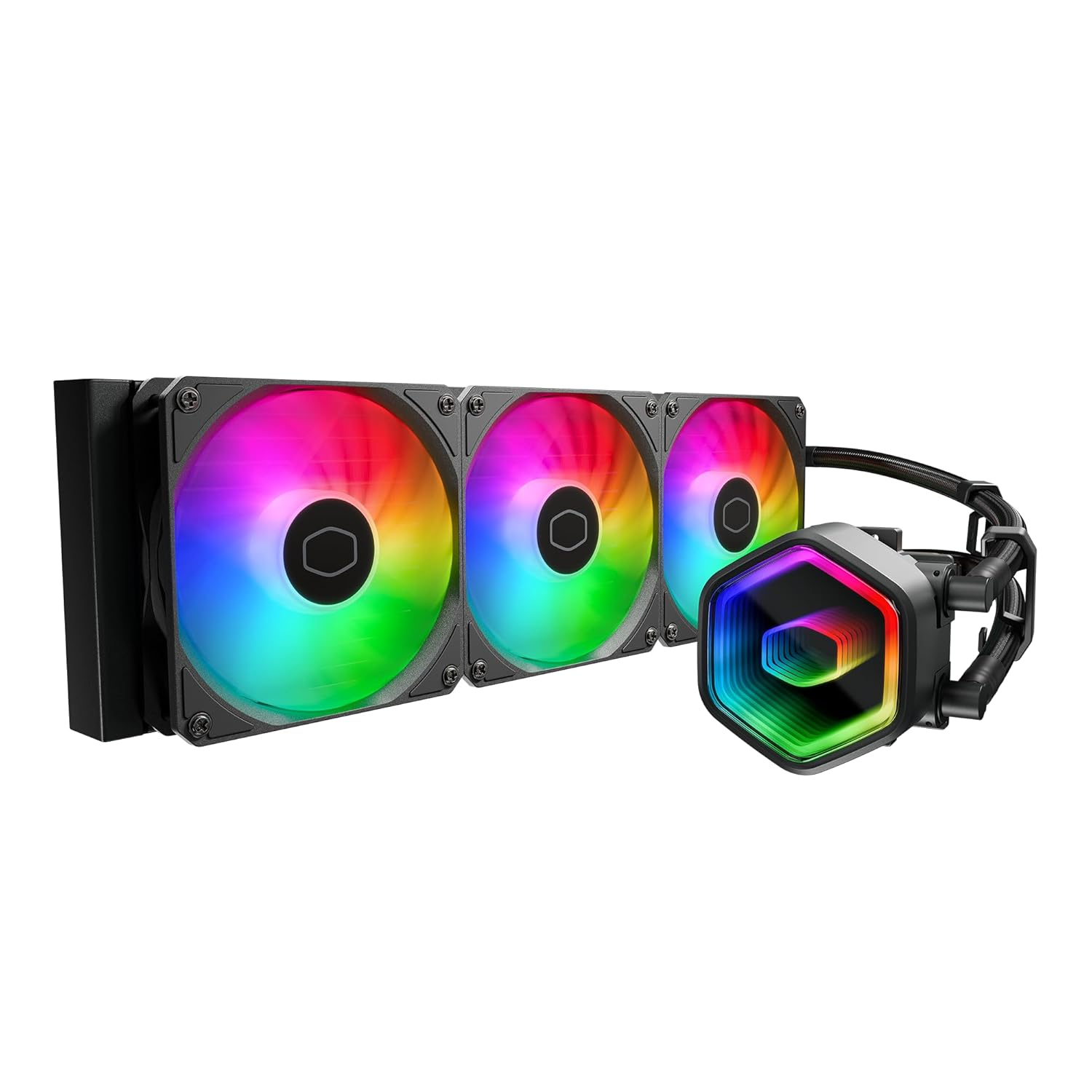
1. Best AIO:
Arctic Liquid Freezer III Pro
2. Best budget AIO:
Cooler Master MasterLiquid Core II
3. Best high-end AIO:
Be Quiet! Light Loop
4. Best screen:
NZXT Kraken Elite RGB (2024)
5. Best air:
Noctua NH-D15 G2
6. Best budget air:
Arctic Freezer 36

You must confirm your public display name before commenting
Please logout and then login again, you will then be prompted to enter your display name.