Join The Club





The modern world is not short of collaborations between big brands, but here's one that caught me off-guard: You can now buy a Rubik's Tetris Cube. The difference-maker here is that, rather than twisting the cube to create a solid colour on each face, you're trying to form six of Tetris' tetrominoes, and can then show off your handiwork thanks to a stand shaped like the line tetromino.
All very nice, but perhaps the best thing to come out of this is a meeting between Ernő Rubik, the Hungarian architect and inventor of the cube (among many other things), and Alexey Pajitnov, the Russian creator of Tetris. Rubik is a cool customer but you can tell that Pajitnov is absolutely over the moon, filled with boyish excitement at meeting one of his heroes, and pays tribute to the original Rubik's cube in soaring terms.
Article continues below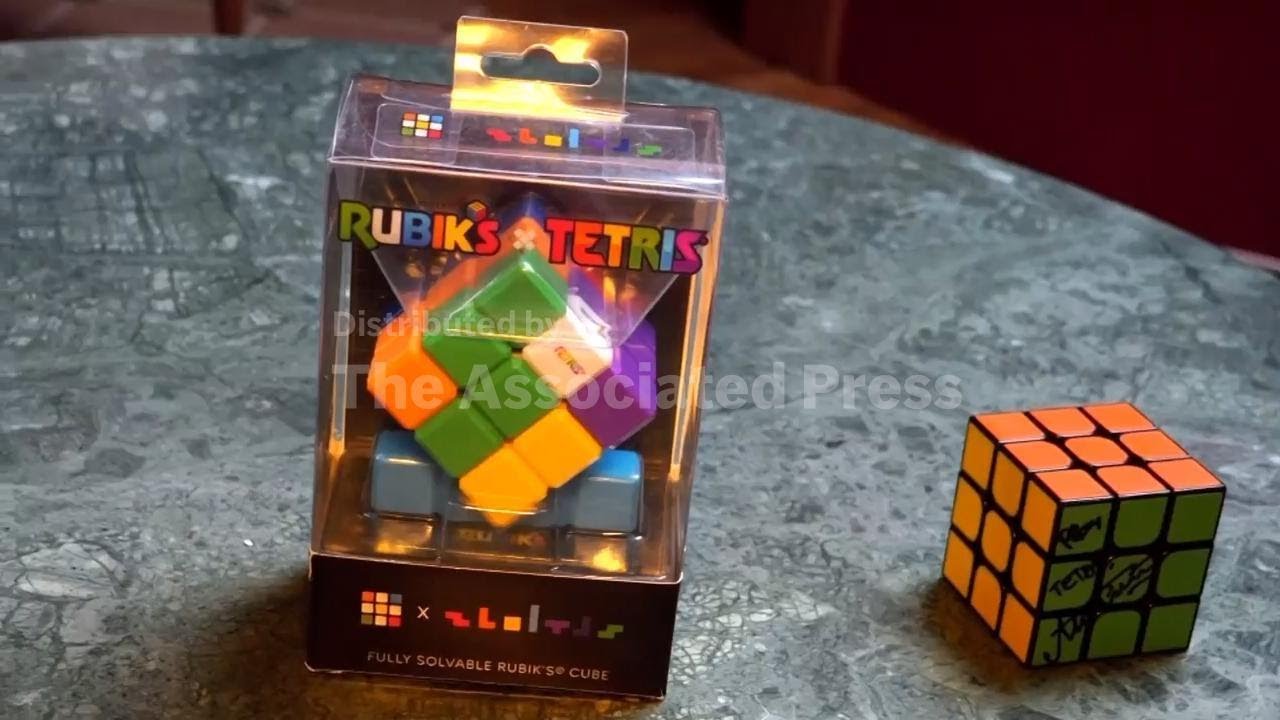
Pajitnov is here making reference to our species' curious habit of sending cultural objects into space, perhaps most famously the golden records on The Voyager. But we've sent everything from pizzas to Coke up there, so a Rubik's Cube doesn't seem too outré. Pajitnov is asked at this point whether he'd consider putting Tetris on there, but doesn't seem to think there's much comparison between the two creations.
"I wish, but it's unfortunately too complicated," says Pajitnov. "You need to put the computer with [Tetris], user interface description and so on. This [Rubik's cube] is so simple and so evident. It's kind of a non-competing piece."
The rest of the encounter provides some potted biographies of the pair and goes over some trivia about their creations, but there is a wonderful moment near the end where Pajitnov gets philosophical about the nature of puzzles and entertainment, ending with a defiant broadside at our current cultural obsession with AI creation.
"Puzzles are not about some kind of achievement in the world," says Pajitnov. "It's mainly the pleasure. Solving the puzzle gives you an incredible feeling of happiness, and that's what we produce making the puzzles for our customer. We provide them with a long hour of happiness. That's what we do. And no artificial intelligence will stop us."

You must confirm your public display name before commenting
Please logout and then login again, you will then be prompted to enter your display name.