Our Verdict
Scary monsters, beautiful locations, and a story that's sadly lost in space.
PC Gamer's got your back Our experienced team dedicates many hours to every review, to really get to the heart of what matters most to you. Find out more about how we evaluate games and hardware.
You know it's going to be a bad day when the automated company machine spits my ID badge straight into a forgotten gap under the printer and I have to not just crouch, but really get down amongst the dust and dirt to pick it up.
What is it? Imagine Alien: Isolation and Dead Space had a creepy lunar baby
Release date: Dec 4, 2025
Expect to pay: $25/£20
Developer: Lunar Software
Publisher: Raw Fury
Reviewed on: Intel Core i7-7700HQ, GTX 1070, 16GB RAM
Steam Deck: Playable
Link: Official site
These Type-05s manage to shred my nerves before they've gone anywhere near my skin. I'm usually alerted to their presence by the distinctive heavy thud of their feet stomping around as they search for me, or the sight of their lasers scanning a dark corridor. They're smart enough to check around corners and open locked doors. The good news (as good as it gets with killer robots) is that only one can be activated by the security system at any time, although this does leave metal husks standing in corridors, waiting for me to dare myself to sneak past, praying this one on standby won't suddenly judder and shake up to its full height.
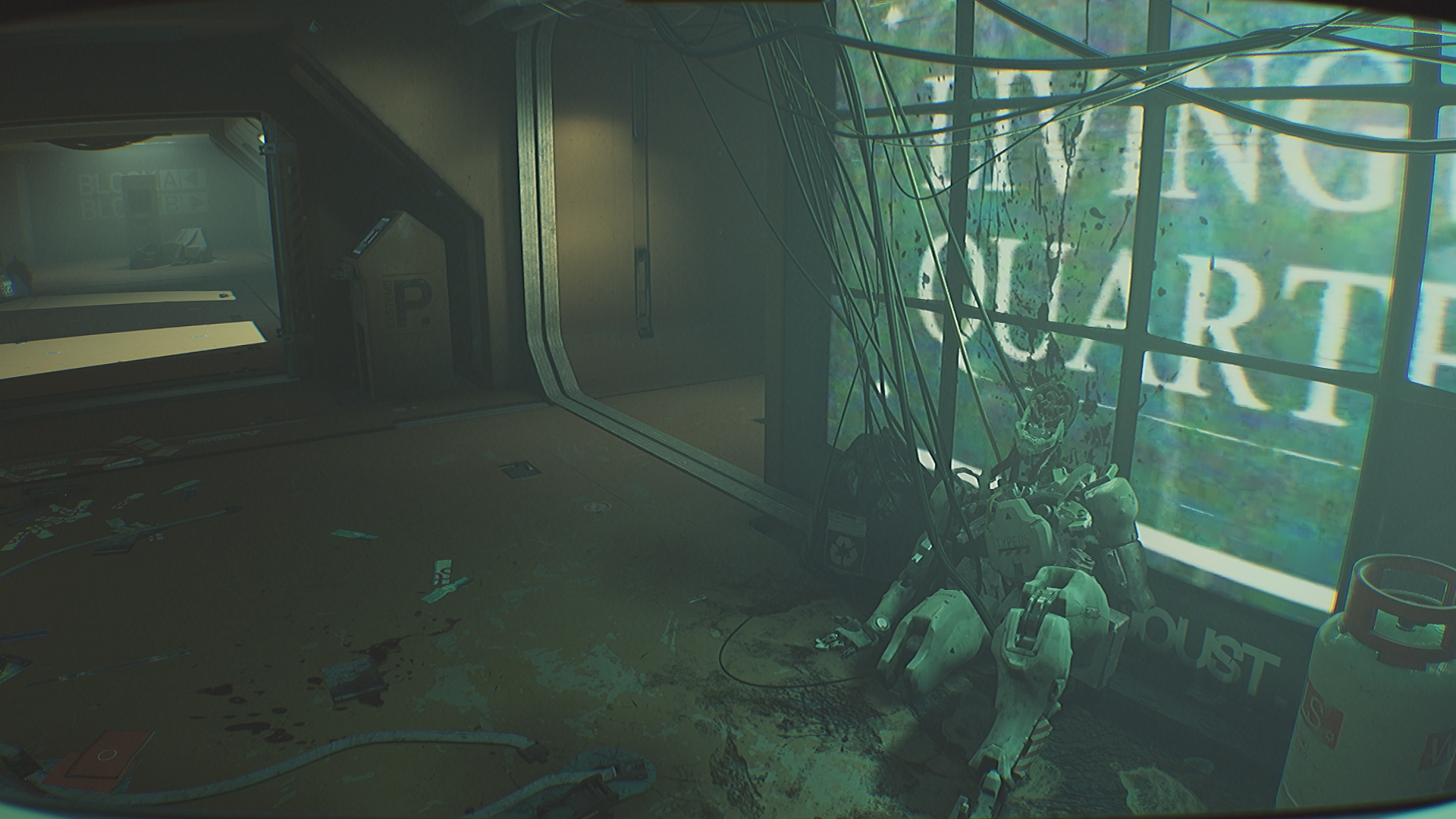
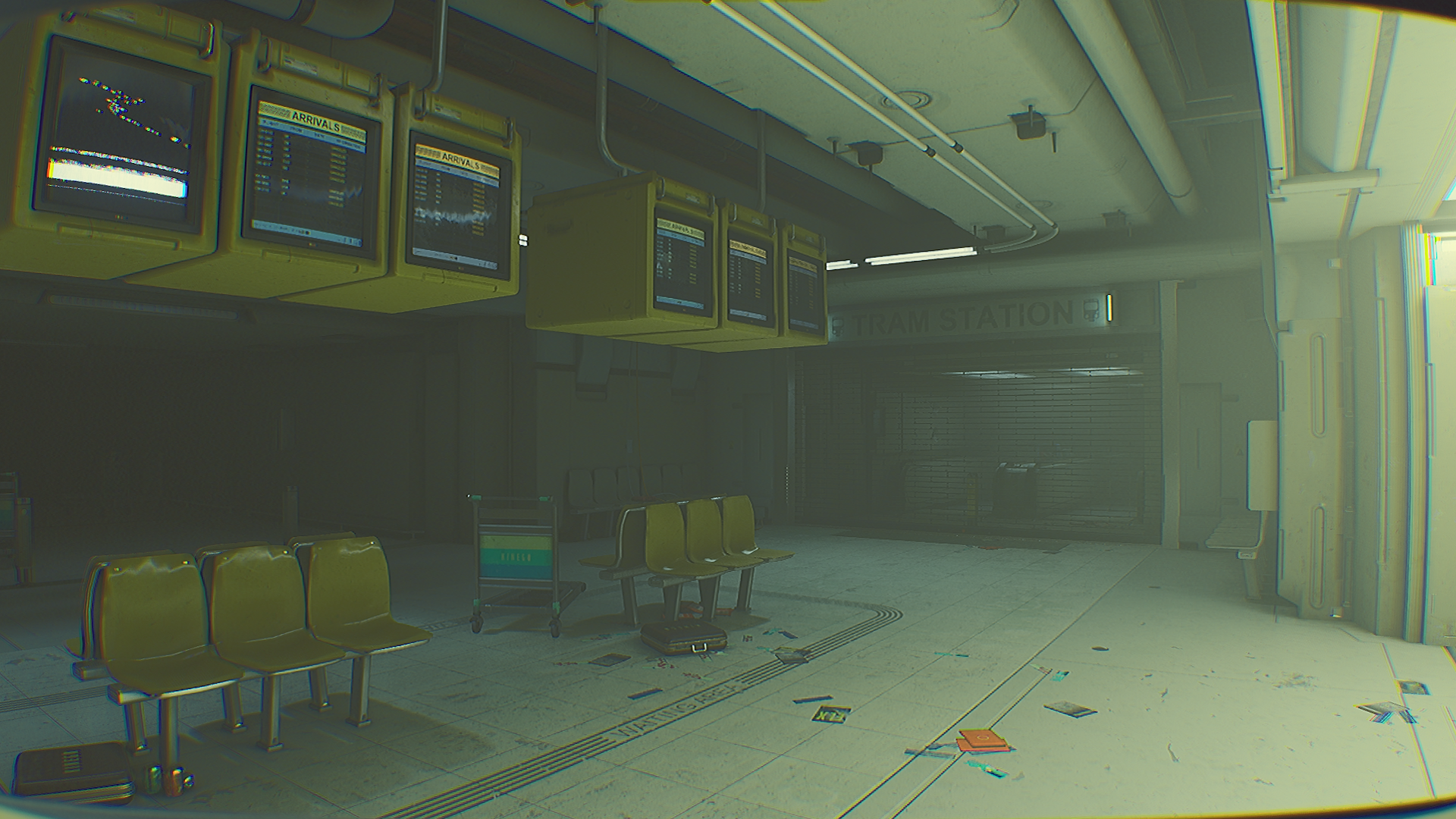
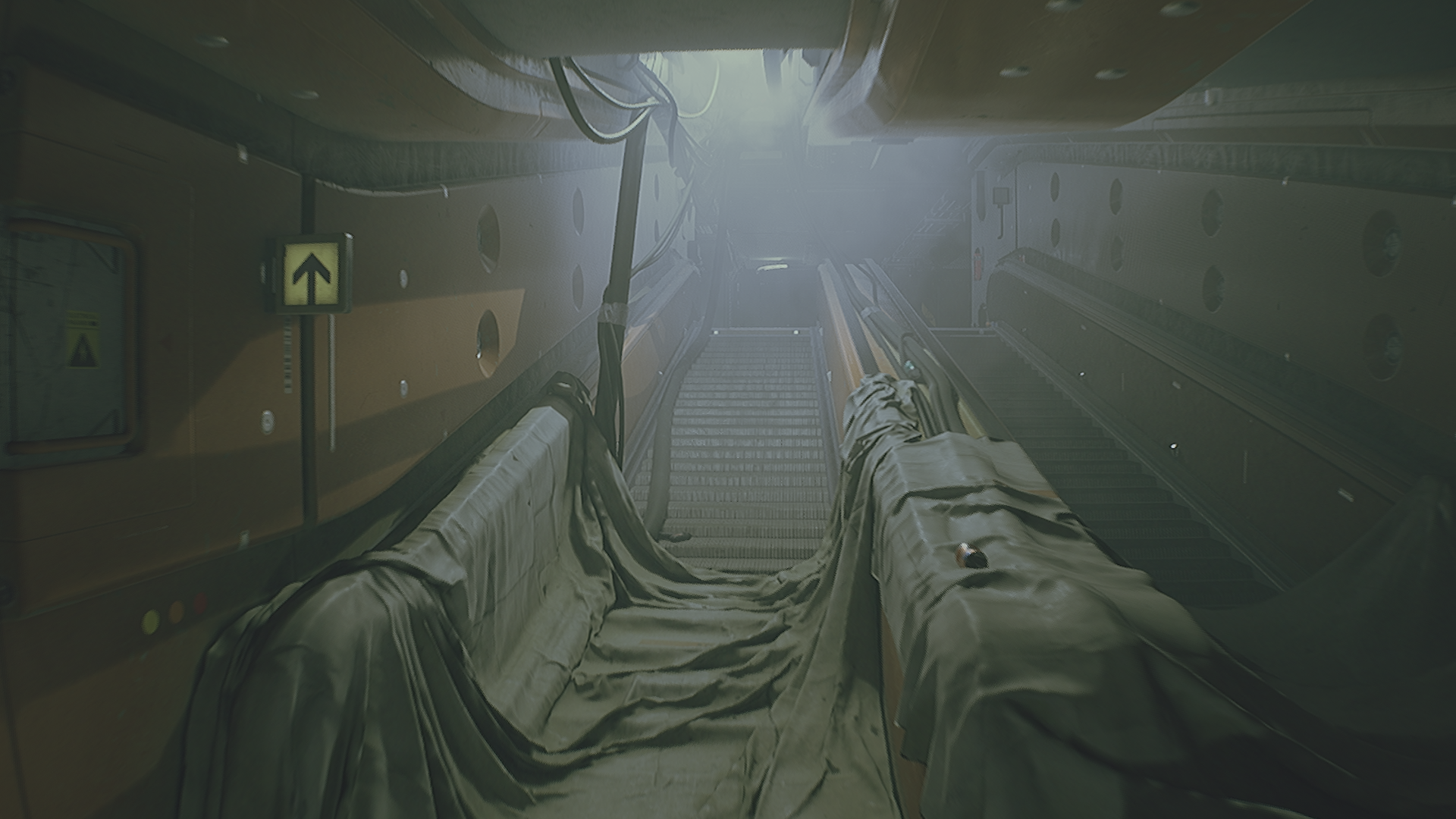
Routine handles unscripted chases and constant pressure very well, but it's also a smart enough horror game to know when to back off too. Being chased is scary. Classic nightmare fuel. But being constantly chased is actually really annoying. Here I'm always given just enough space to breathe, to get puzzles solved and notes read, to let my guard down enough to incorrectly assume the shape ahead is just a harmless shadow.
Just as I'm never sure how much danger I'm in, I can't ever be sure of how much health I've got either. There's no readout or red haze creeping in around the edge of the screen—I just have to hope I'm going to get grabbed and thrown, rather than grabbed and used to redecorate the nearest wall. In this context, I love this lack of information. My only states are "not dead" and "dead," and that means I'm never left tediously limping around for medkits or completely confident I can survive the next blow.
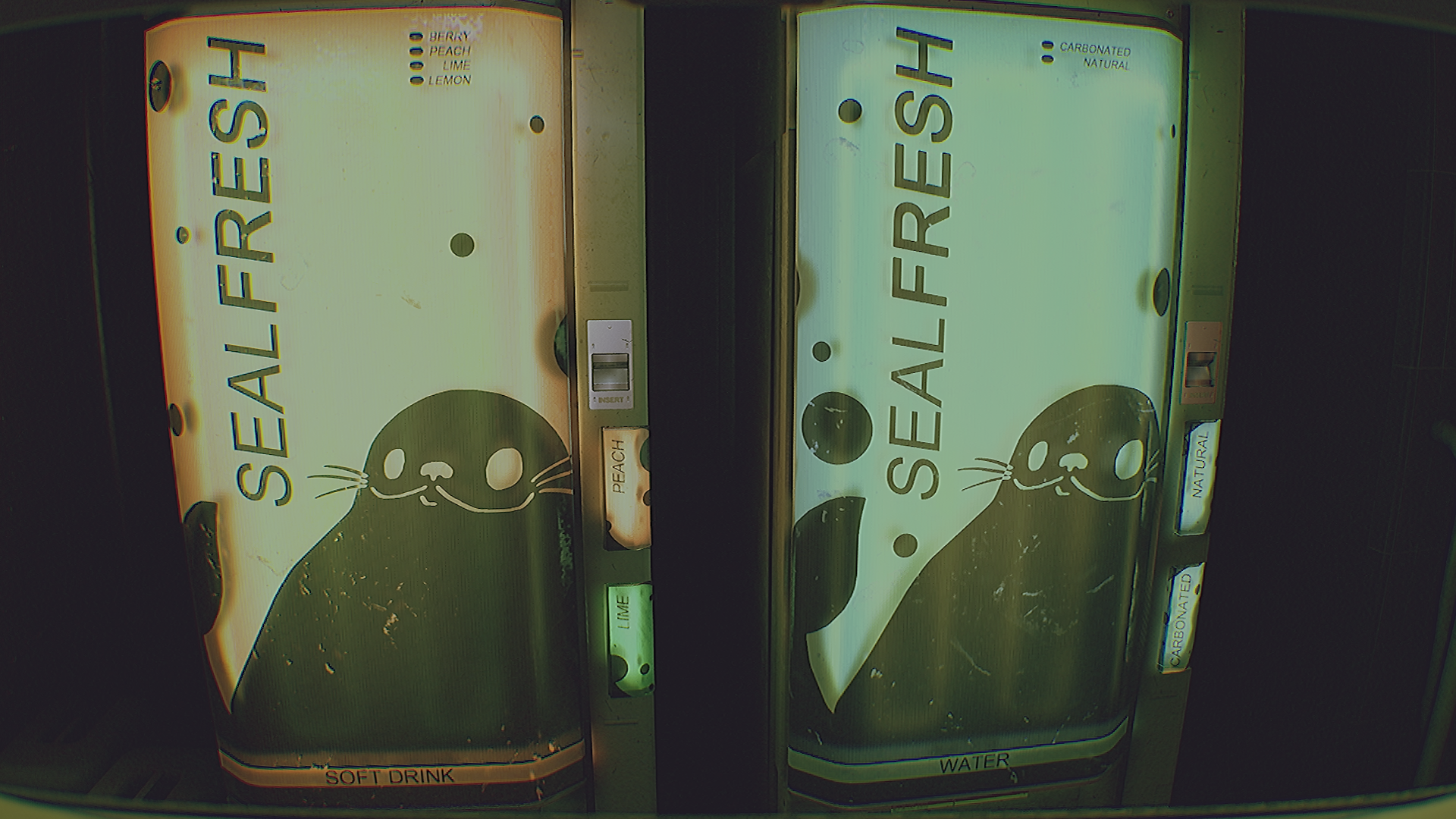
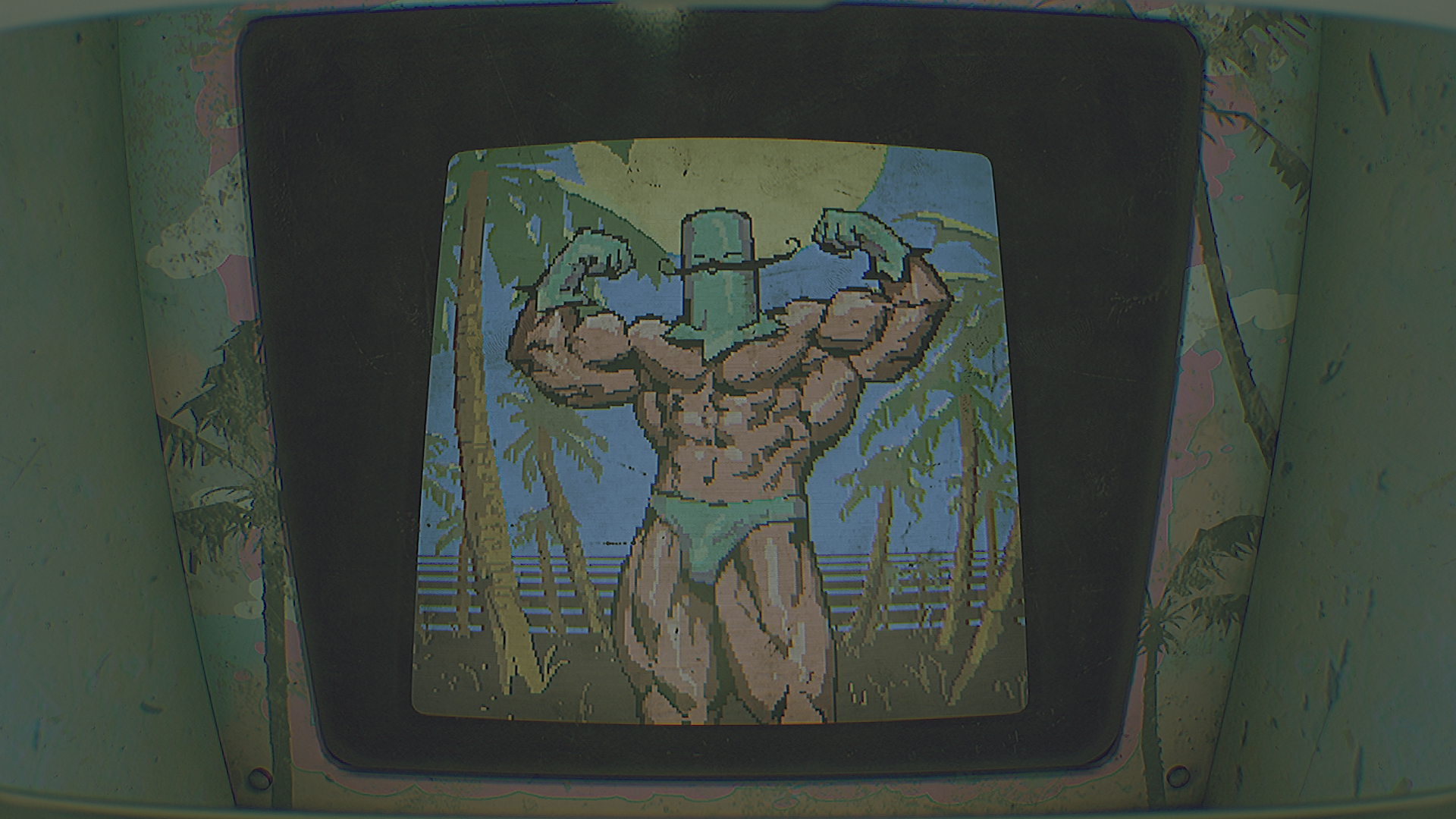
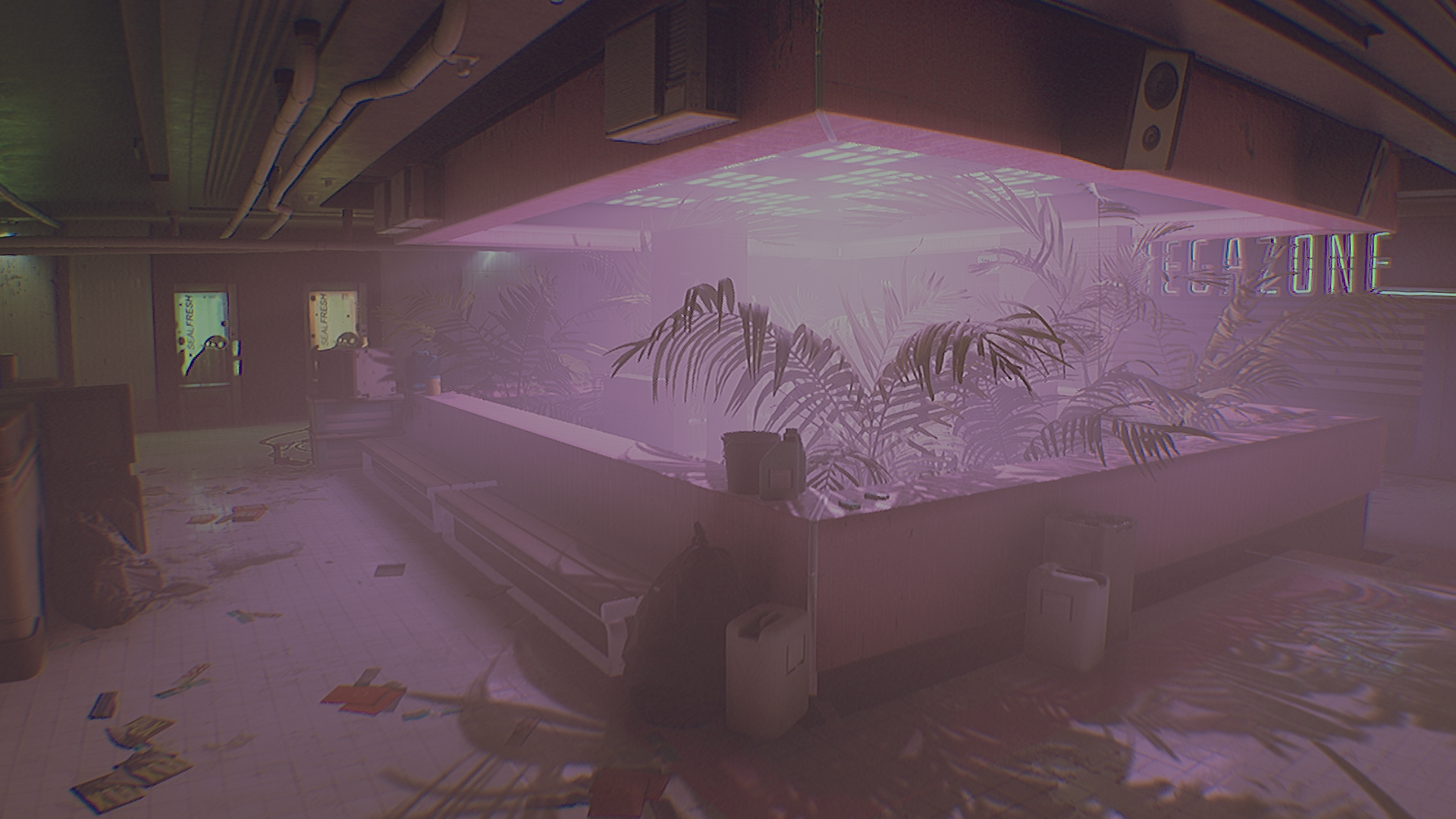
Much like Alien: Isolation, Routine presents a vision of the future as imagined by the past, and does an impressively believable job of it. There are plastic chairs, curly cables, and even a store to rent VHS tapes from. Glass is scratched, metals are dinged and dented, and bulky CRT TVs don't always perfectly match their casings. It takes a lot of effort and fine attention to detail to make a place look as convincingly battered as this.

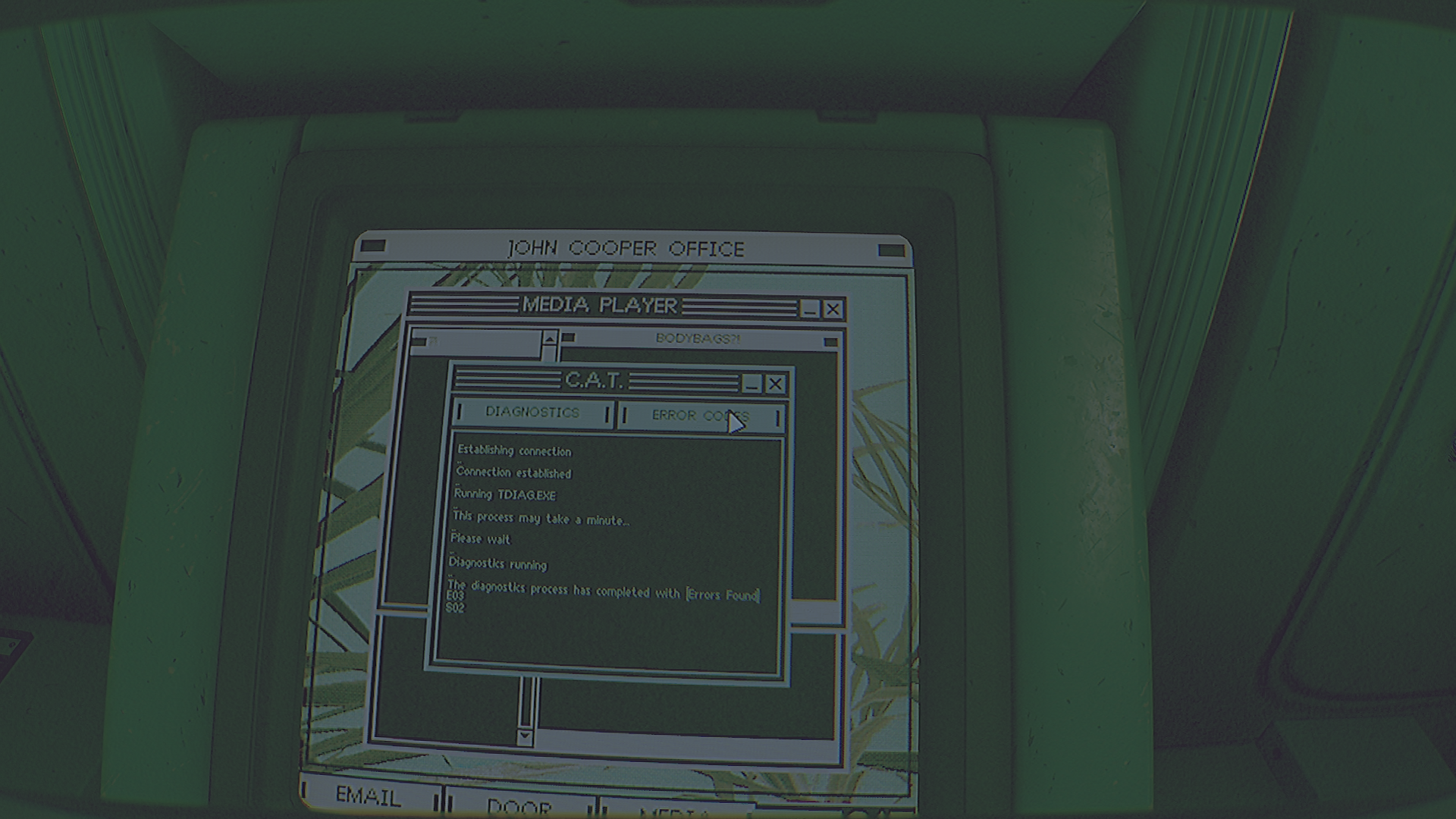
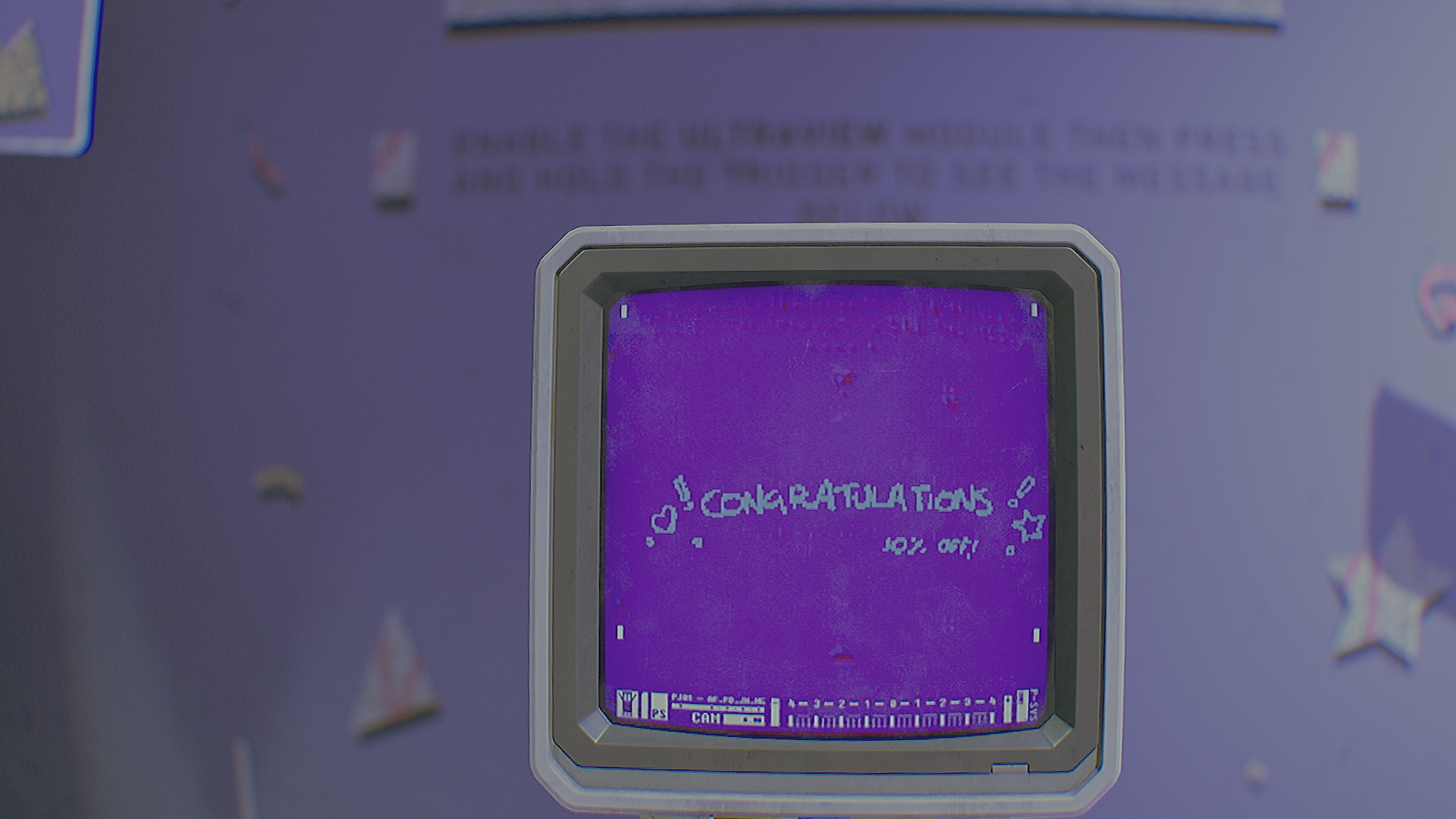
And even more to make it as interactive as it is here. My CAT—Cosmonaut Assistance Tool—is furnished with an array of buttons I have to poke and prod with my cursor in a pleasantly tactile manner. New features don't just physically slot into its gun-like housing: they come with their own slides and latches to activate, and I have to suss out how to manually trigger their functions if I want to survive. Some of them can temporarily disable an enemy, while others are needed to access security systems or reveal hidden fingerprints. Most of these uses consume some of my CAT's miniscule onboard battery, so every fusebox shorted means one less horror I can temporarily disable, every door I open eating into my ability to see in the dark.
Replacements scattered all over the place help to balance out this harsh restriction. I have to be careful, and I have to keep an eye on my battery gauge, but never to the point of wearily planning every action. Puzzles that require battery power to solve always—always—have either a fully charged battery or a bin filled with an infinite supply of single-use recycled ones nearby. Thanks to some thoughtful placement of the latter I'd still be able to clear the game even if I deliberately discharged every standard battery I found directly into the floor.
Routine does such a thorough job of inventing believable solutions to its own problems it actually took me a while to adjust, to realise that everything I needed was something I could see or touch. Which is why I ended up a bit stuck early on. I needed to input an ID number to log in to the computer system. Not hack it or override a setting, just access an ordinary public terminal in a normal way. So I went looking for an ID card. I scoured every room I could find. Spent ages checking rooms and looking at floors and desks. Eventually I realised I could just look down at my own spacesuit and read the numbers on my own badge. The one I fished out from that gap right at the start and then attached to my chest.
I felt like an idiot, but I was also thrilled to see such an obvious common-sense solution to a very familiar problem.
I just wish Routine had been as meticulous with the story behind its lunar horror. The first half is packed with all the usual corporate sci-fi hellscape tropes, a very banal sort of evil lightly covered by cynical adverts and cute mascots. There is a visually striking false climax that ultimately goes nowhere, neither enticingly unresolved or triumphantly tied up. This is followed by a major twist and a jarring shift in genre, Alien awkwardly mixed with something more supernatural.
As much as I like surprises, this change in tone sadly doesn't justify its presence, the game eventually ending with an airless whimper instead of a big bang. The flimsy execution of a technically good idea, the plot prizing mystery and madness above all else, made it feel like I'd been dragged, rather than naturally led to, the game's sole, unsatisfying conclusion.
It's a disappointing end to a game that otherwise does a great job of balancing adrenaline-fuelled encounters with some refreshing takes on familiar puzzles, and in truth it isn't all that difficult to ignore these shortcomings while being hoisted into the air by a murderbot. But it does mean that by the end the scares lack teeth, their fumbled impact fading as quickly as a shadow under torchlight.
Scary monsters, beautiful locations, and a story that's sadly lost in space.

You must confirm your public display name before commenting
Please logout and then login again, you will then be prompted to enter your display name.