





At Nvidia's GTC keynote today, CEO Jen-Hsun Huang announced that the company will soon be rolling out a collection of large language model (LLM) frameworks, known as Nvidia AI Foundations.
Jen-Hsun is so confident about the AI Foundations package, he's calling it a "TSMC for custom, large language models." Definitely not a comparison I was expecting to hear today, but I guess it fits alongside Huang's wistful comments about AI having had it's "iPhone moment."
The Foundations package includes the Picasso and BioNeMo services that will serve the media and medical industries respectively, as well as NeMo: a framework aimed at businesses looking to integrate large language models into their workflows.
NeMo is "for building custom language, text-to-text generative models" that can inform what Nvidia calls "intelligent applications".
With a little something called P-Tuning, companies will be able to train their own custom language models to create more apt branded content, compose emails with personalised writing styles, and summarise financial documents so us humans don't have waste away staring at numbers all day—that sounds like a nightmare for me.
Hopefully it'll take some weight off the everyman, and stop your boss shouting "BUNG IT IN THE CHATBOT THING," because that's supposedly faster.
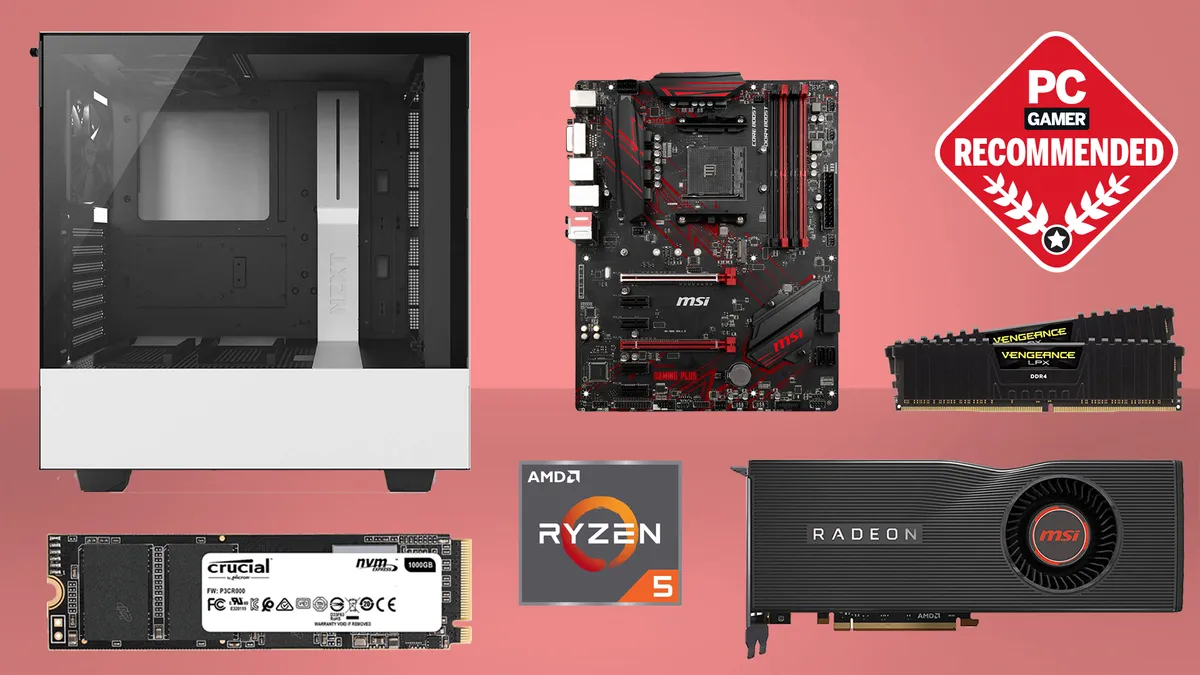
Best CPU for gaming: The top chips from Intel and AMD
Best gaming motherboard: The right boards
Best graphics card: Your perfect pixel-pusher awaits
Best SSD for gaming: Get into the game ahead of the rest
NeMo's language models include 8 billion, 43 billion, 530 billion parameter versions, meaning there will be distinct tiers to pick from with vastly differing power levels.
For context, Chat GPT's original GPT-3 subsisted on 175 billion parameters, and although OpenAI isn't telling people how many parameters GPT-4 is working with at the moment, AX Semantics guesses around 1 trillion.
So, no it's not quite going to be a direct ChatGPT competitor, and may not have the same depth of parameters, but as a framework for designing large language models its sure going to change the face of every industry it touches. That's for certain.

