NASA is back in touch with the Voyager 2 spacecraft following an antenna accident that left it cruising through beyond the outer part of our solar system alone.
On July 21, NASA sent commands to the Voyager 2 spacecraft that inadvertently caused the antenna to shift .2 degrees away from Earth. This miniscule adjustment meant that NASA's Deep Space Network (DSN) was unable to contact Voyager 2, which is currently sailing out of our solar system 12.3 billion miles away.
At the time, NASA expected the spacecraft to remain uncontactable until October, when the craft's automated realignment would hopefully bring the antenna back around to Earth's location.
On August 1, NASA detected a heartbeat from the spacecraft—a faint glimpse of the carrier signal used to transfer data to and from Earth. This offered an opportunity to get in touch a little sooner than expected, and lo and behold, it worked.
To make sure Voyager 2 received the signal from Earth to rotate its antenna, NASA had to "shout it" through space in the craft's general direction. A call to say 'we're over here' and hope Voyager 2 responds. After 37 hours of waiting to see if it worked—it takes 18.5 hours for a message to travel one-way to Voyager 2—NASA command heard back.
"At 12:29 a.m. EDT on Aug. 4, the spacecraft began returning science and telemetry data, indicating it is operating normally and that it remains on its expected trajectory," NASA confirms.
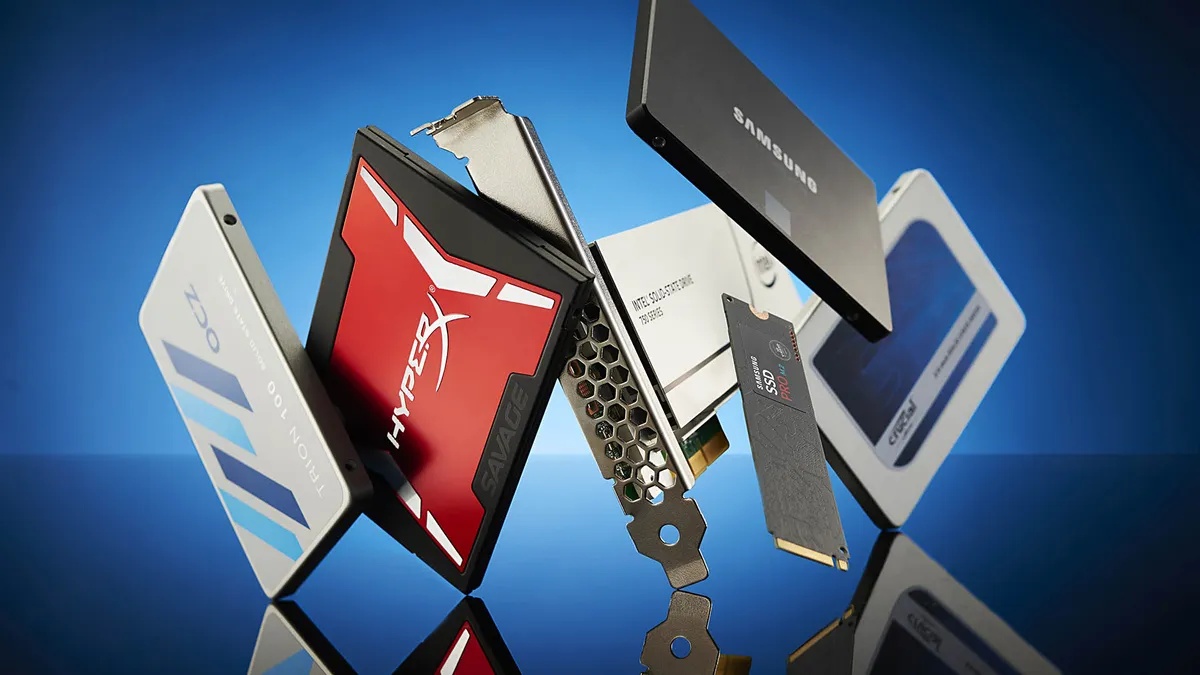
Best SSD for gaming: The best speedy storage today.
Best NVMe SSD: Compact M.2 drives.
Best external hard drives: Huge capacities for less.
Best external SSDs: Plug-in storage upgrades.
Voyager 2 has been on an extremely long trip out to the outer reaches of our solar system—the spacecraft was launched in 1977. Since then, it's travelled past Jupiter, Saturn, Uranus, and Neptune, before finally departing the Sun's heliosphere—the magnetic field around the solar system created by the Sun's solar wind—and into the murky space beyond.
Voyager 2 would have continued its mission whether NASA reestablished contact with the spacecraft of not—just no one would've heard what it had to say. Thankfully, we don't have to think about this little ship cruising off into the nothingness all alone anymore. The mission is expected to continue sending its discoveries back to Earth until into the 2030s.