The three biggest players in computer memory are all tooling up major new factories, but the main impact of that won't come until 2028 and even then it may not be enough to normalise spiralling memory prices.
This analysis comes from IEEE Spectrum, which has published an overview of the current memory market and insights into how it may all play out. The publication notes that Micron is likely to be the first to get new facilities online, with a new fab in Singapore that should go into production in 2027. It's also repurposing another facility in Taiwan with plans for production in the second half of next year.
Article continues below 
However, IEEE Spectrum notes that Economists aren't convinced that these new facilities will correct memory prices immediately. “In general, economists find that prices come down much more slowly and reluctantly than they go up. DRAM today is unlikely to be an exception to this general observation, especially given the insatiable demand for compute,” it quotes Mina Kim saying, an economist with the Mkecon Insights.
Underlying all this, of course, is the aforementioned AI boom. IEEE Spectrum notes a forecast from consultants McKinsey that predicts a staggering $7 trillion total investment in new data centres by 2030, $5.2 trillion of which will be blown on AI-focused data centres.
With that kind of money being tossed around, it's no wonder memory prices aren't expected to go back to normal. Indeed, Micron predicts that the market for HBM, which until recently was a fairly niche technology, will grow to $100 billion annually in 2028, or about the same as the entire DRAM market in 2024.
All told, this squares pretty well with our recent observations around the plans of big AI players like Meta, OpenAI, Nvidia, Amazon and Microsoft. Long story short, however bananas their investments in AI have been up to this point, that is only accelerating this year and on an epic scale.
It may be a familiar refrain then, but it bears repeating and really absorbing. It really does look like this is all going to get substantially worse before it gets better. And it's likely going to take years to resolve. Sorry.
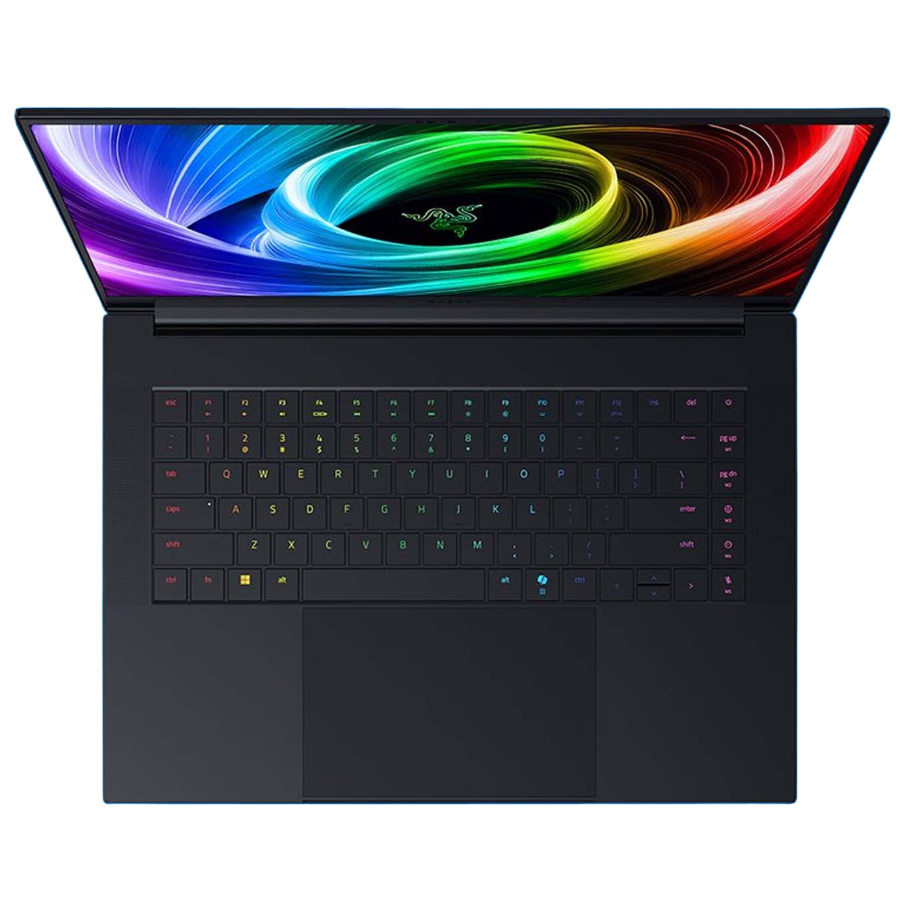
1. Best gaming laptop: Razer Blade 16
2. Best gaming PC: HP Omen 35L
3. Best handheld gaming PC: Lenovo Legion Go S SteamOS ed.
4. Best mini PC: Minisforum AtomMan G7 PT
5. Best VR headset: Meta Quest 3
Check out our list of guides

You must confirm your public display name before commenting
Please logout and then login again, you will then be prompted to enter your display name.