If you were looking for good news surrounding the ongoing memory crisis, you've clicked on the wrong article. According to South Korean news outlet SEDaily, its sources have informed it that both Samsung and SK Hynix have notified their customers of another second-quarter DRAM price increase, and are currently entering into price negotiations.
Smaller customers (i.e., many of the ones that package DRAM chips on to RAM modules, graphics cards, and more) are "expected to accept significant price increases to secure DRAM supply", according to the outlet.
An "industry insider" speaking to SEDaily said: "Samsung Electronics’ current production capacity can only handle about 60% of the volume due to the continued surge in DRAM demand."
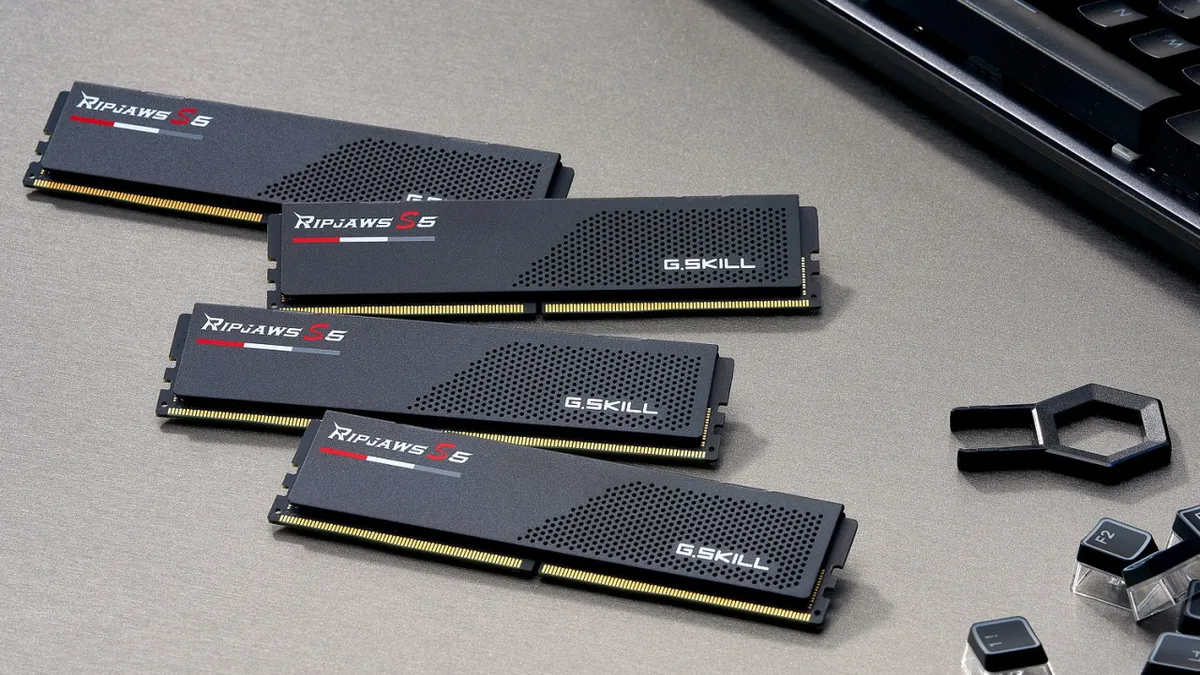
With the supply so significantly constrained, and the AI demand showing no signs of slowing, DRAM manufacturers have their pick over which businesses to prioritise when it comes to the best deals.
Small and medium-sized companies now seem to be in the position of having to negotiate their relatively short-term contracts (compared to longer-term contracts agreed upon by larger businesses) within unfavourable pricing conditions—taking deals that would be unthinkable a few years ago in order to guarantee supply.
"Regardless of whether the client is large or small, the contracted quantity reflects the market price and the product price increases", says another unnamed source. "However, when the existing contract ends and a new contract is signed [for smaller customers], the price increase is bound to be larger because there is no agreed-upon price range."
And higher costs for suppliers mean higher costs for the end consumer. Research and analysis firm Gartner recently estimated that DRAM and SSD prices will surge by 130% by the end of 2026, and that this will equate to a 17% increase in PC prices, with shipped units dropping by 10.4% as a result.
It's a sad state of affairs for anyone looking for good deals on gaming PCs and laptops right now, or indeed, any piece of electronics with a DRAM chip involved somewhere along the line. And by the looks of this report? The worst may be yet to come.
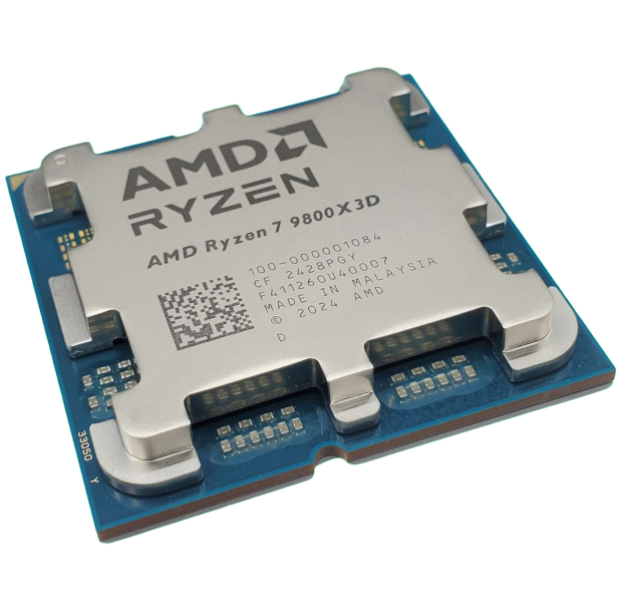
1. Best CPU: AMD Ryzen 7 9800X3D
2. Best motherboard: MSI MAG X870 Tomahawk WiFi
3. Best RAM: G.Skill Trident Z5 RGB 32 GB DDR5-7200
4. Best SSD: WD_Black SN7100
5. Best graphics card: AMD Radeon RX 9070

You must confirm your public display name before commenting
Please logout and then login again, you will then be prompted to enter your display name.