In the summer of 2024, at the annual Computex event, we were treated to all kinds of new PC hardware, from outlandish coolers, funky new memory sticks, and ear-splitting robots. We also got the chance to sit down with Micron and chat about all things DRAM and SSD, and even though it barely registered at the time, we were told in no uncertain terms that a memory pricing crisis was on its way.
It wasn't couched in hedge-betting, weasel words, or any other roundabout way of masking the truth. Micron's vice president, Dinesh Bahal, set the table as clear as it could have possibly been when discussing the AI industry's rampant consumption of memory.
"This thing called high bandwidth memory. Okay? The reason I'm bringing that up is all three of us, the big three—Hynix, us, Samsung—all three of us are spending a lot of energy and effort towards building HBM products towards getting those out into the market," he began.
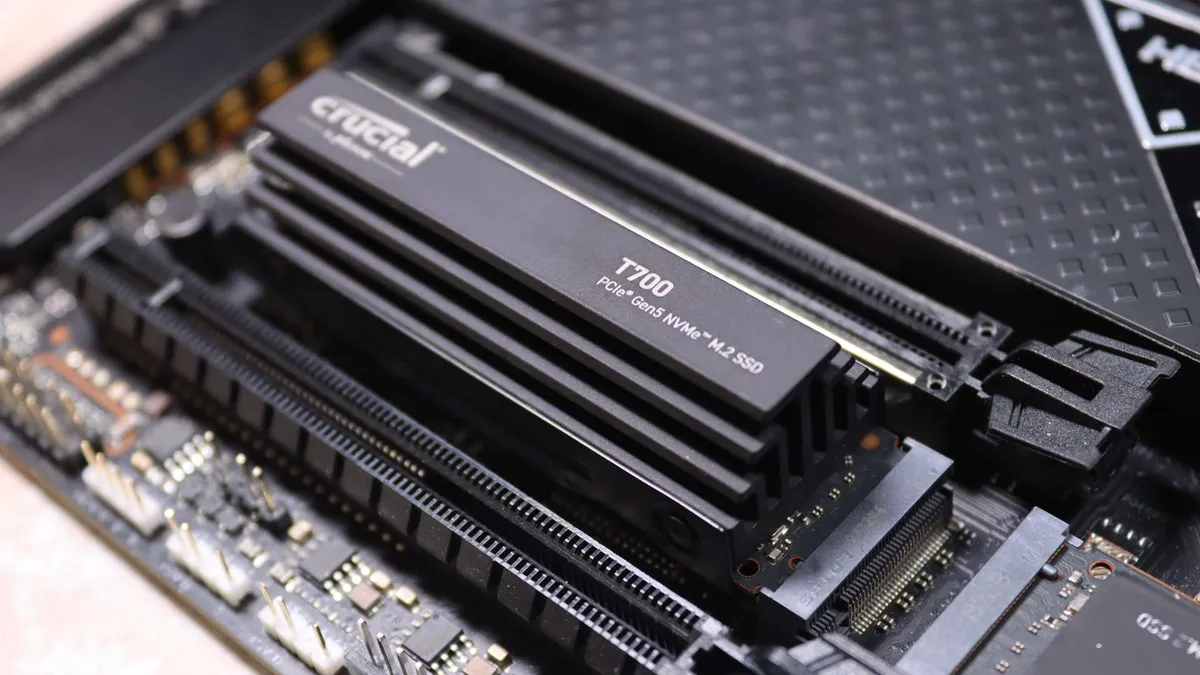
Without memory, it ain't gonna happen. Right? So I think there's this real big change and, you know, I'm going to use the phrase, memory's become sexy again.
Dinesh Bahal, Micron VP
"A bunch of consumers are in a sticker shock kind of environment of 'Hey, RAM prices have always gone down. NAND prices have always gone down. I could buy a terabyte for 50 bucks. That terabyte is now 80 bucks, what's going on?'"
Okay, so $80 for a 1 TB SSD was very much a last year kind of thing, because you're now looking at over $100 for a cheap gaming SSD. But the actual size of the price hike is almost irrelevant, because what matters here is that Micron was warning us that things were about to head south to our faces. We reported on this immediately and then, like everyone else, we forgot about it.
Even as DRAM prices were starting to rapidly rise, the doom-laden prophecy lay dormant in our memories. There's probably some deep and complex scientific reason for why this happened, but I personally think it's down to Micron's barely-contained glee at the prospects of AI swallowing up all the DRAM.
"I just wanted to mention that we're really excited because it makes you know, anybody who's talking AI, anybody who's doing AI, memory becomes at the core of it, as opposed to sitting at the edge of it. We were kind of an afterthought of 'yeah, there's memory.'
"But now it's like, without memory, it ain't gonna happen. Right? So I think there's this real big change and, you know, I'm going to use the phrase, memory's become sexy again."

Compared to graphics cards, RAM sticks have arguably never had the same kind of allure, but it's always been important. From Micron's perspective, though, it's been third-tier to GPUs and CPUs in terms of outright demand. It's a different story now, of course, and AI's insatiable desire for memory is affecting the entire electronics market.
Memory isn't sexy; it's a vital part of anything that does computational work, from a simple embedded system, phones and watches, to complex networks that monitor and control trade, traffic, health, and security.
Naturally, Micron's vice president was simply making an off-the-cuff remark, and had he known just how bad things were going to get, I should imagine his comments would have carried a more serious tone. But even if they did, would we have paid any attention to such doom-laden warnings? History suggests that we would not.
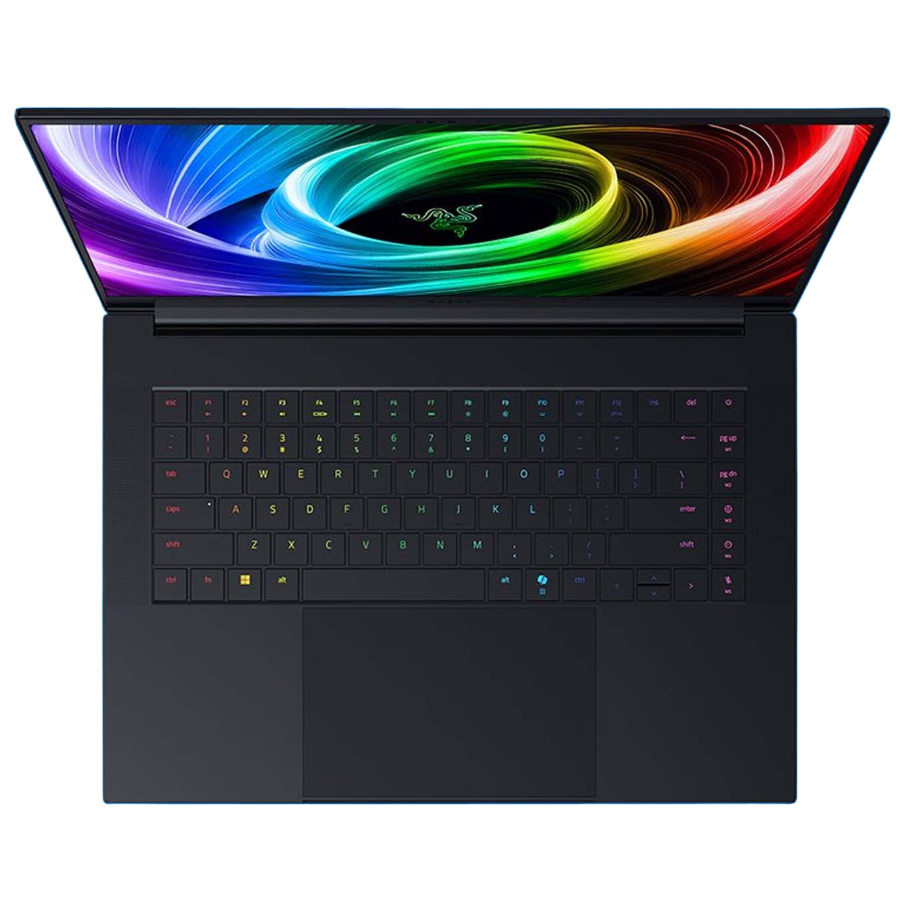
1. Best gaming laptop: Razer Blade 16
2. Best gaming PC: HP Omen 35L
3. Best handheld gaming PC: Lenovo Legion Go S SteamOS ed.
4. Best mini PC: Minisforum AtomMan G7 PT
5. Best VR headset: Meta Quest 3

You must confirm your public display name before commenting
Please logout and then login again, you will then be prompted to enter your display name.