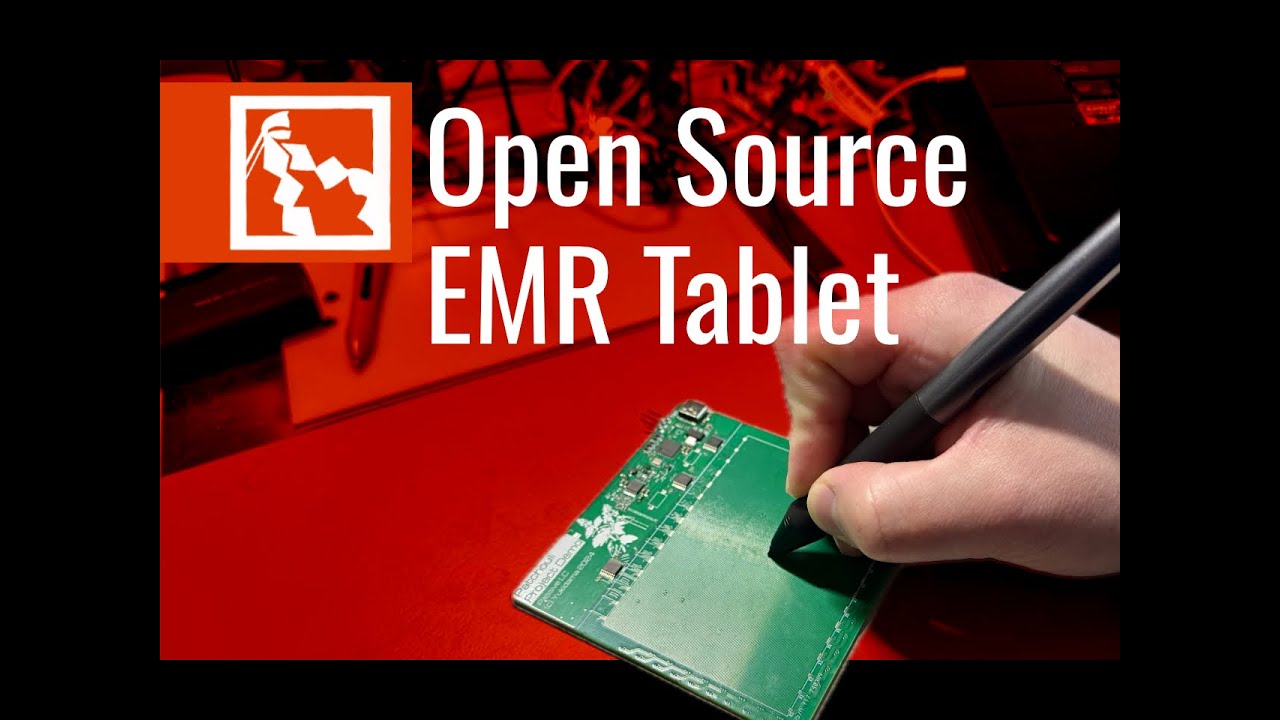
Meet Project Patchouli, an open-source drawing tablet project to 'build your own tablet from scratch'
You will need some electronics knowledge, though.
Keep up to date with the most important stories and the best deals, as picked by the PC Gamer team.
You are now subscribed
Your newsletter sign-up was successful
Want to add more newsletters?
Every Friday
GamesRadar+
Your weekly update on everything you could ever want to know about the games you already love, games we know you're going to love in the near future, and tales from the communities that surround them.
Every Thursday
GTA 6 O'clock
Our special GTA 6 newsletter, with breaking news, insider info, and rumor analysis from the award-winning GTA 6 O'clock experts.
Every Friday
Knowledge
From the creators of Edge: A weekly videogame industry newsletter with analysis from expert writers, guidance from professionals, and insight into what's on the horizon.
Every Thursday
The Setup
Hardware nerds unite, sign up to our free tech newsletter for a weekly digest of the hottest new tech, the latest gadgets on the test bench, and much more.
Every Wednesday
Switch 2 Spotlight
Sign up to our new Switch 2 newsletter, where we bring you the latest talking points on Nintendo's new console each week, bring you up to date on the news, and recommend what games to play.
Every Saturday
The Watchlist
Subscribe for a weekly digest of the movie and TV news that matters, direct to your inbox. From first-look trailers, interviews, reviews and explainers, we've got you covered.
Once a month
SFX
Get sneak previews, exclusive competitions and details of special events each month!
For something intended to mimic good old pencil and paper, drawing tablets and the tech behind them are surprisingly complicated. If you fancy a crash course in how they work and want to build your own from scratch, I have the open-source project for you.
Project Patchouli from designer Yukidama is a project to "build your own EMR tablet from scratch". As helpfully laid out in Yukidama's YouTube video, an EMR tablet is one that uses Electromagnetic Resonance that sends a signal to a tablet, which is then translated by the tablet. It's a quick and responsive bit of technology, but different pen vendors work off different frequencies, which can impact compatibility.
The video shows how electromagnetic pencils have coils and capacitors near the tip; a test board picks up that frequency and uses a signal amplifier to send that information to a computer. With an oscilloscope, Yukidama measures the frequency of each pencil as it touches the board, and then that frequency as they press harder. Two different pens register two different frequencies.
This project uses a smart array of coils in the tablet itself, making it "compatible with most commercial pens from different vendors, offering an ultra-low-latency pen input experience for your customized hardware projects."
Admittedly, due to the high level of complexity in the build, some of this project goes over my head, but the gitlab source gives the firmware and hardware designs you need to build it. It also provides helpful graphs and some extra pictures in the 'docs' section.
Much of the hardware blueprints are in CAD files, which means (for most) having to send those files off to get created by a circuit board manufacturer. A project like this won't be done on a whim, but it's still rather impressive.
Over on the Project Patchouli Discord, Yukidama has said that they are looking into documentation so that the non-initiated can also replicate the project and has said, "Please let me know if there's something you want to know in particular, so I can include them in the guide." Though I'm tempted to say 'well, all of it', I do think the YouTube video does a good job at explaining the background of EMR tech and why artists use EMR tablets.
Keep up to date with the most important stories and the best deals, as picked by the PC Gamer team.
In a sense, one could look at this more as a proof of concept than a replacement for a drawing tablet. Modern drawing tablets will have all kinds of neat software and hardware handshakes like tilt control or high-pressure sensitivity, and they will be a good bit bigger than the rather small tablet Yukidama is using. But what makes it interesting is that the tech is there and ready to use. It being open-source allows someone else to pick up the project and run with it.
Still, if you have the will to make one, and don't mind contacting a PCB manufacturer of some kind, this not only seems like a solid way of getting around pencil compatibility issues but also a way of learning about tech that you may not have put much thought into until now, I know It's certainly made me a little more appreciative of drawing tablets.
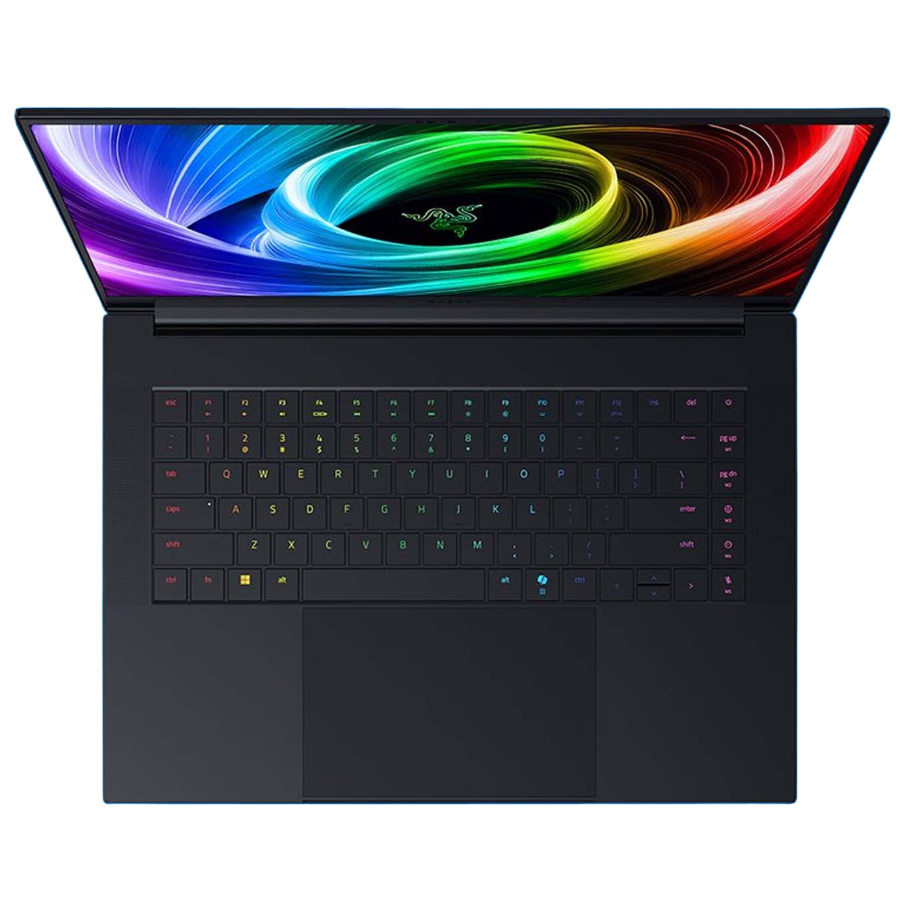
1. Best gaming laptop: Razer Blade 16
2. Best gaming PC: HP Omen 35L
3. Best handheld gaming PC: Lenovo Legion Go S SteamOS ed.
4. Best mini PC: Minisforum AtomMan G7 PT
5. Best VR headset: Meta Quest 3

James is a more recent PC gaming convert, often admiring graphics cards, cases, and motherboards from afar. It was not until 2019, after just finishing a degree in law and media, that they decided to throw out the last few years of education, build their PC, and start writing about gaming instead. In that time, he has covered the latest doodads, contraptions, and gismos, and loved every second of it. Hey, it’s better than writing case briefs.
You must confirm your public display name before commenting
Please logout and then login again, you will then be prompted to enter your display name.