Jensen Huang has well and truly escaped gaming obscurity these days. The Nvidia CEO just took the stage at the World Economic Forum to talk about AI demand, bubbles, and the impact that artificial intelligence has on the job market now and into the future. Of course, being the man in charge of shipping billions of dollars of AI chips, he has a particularly positive take on the lot.
Chatting to Larry Fink, CEO of Blackrock, who called Nvidia 'nuh-vidia' throughout the conversation, Huang had a few things to say about his booming business.
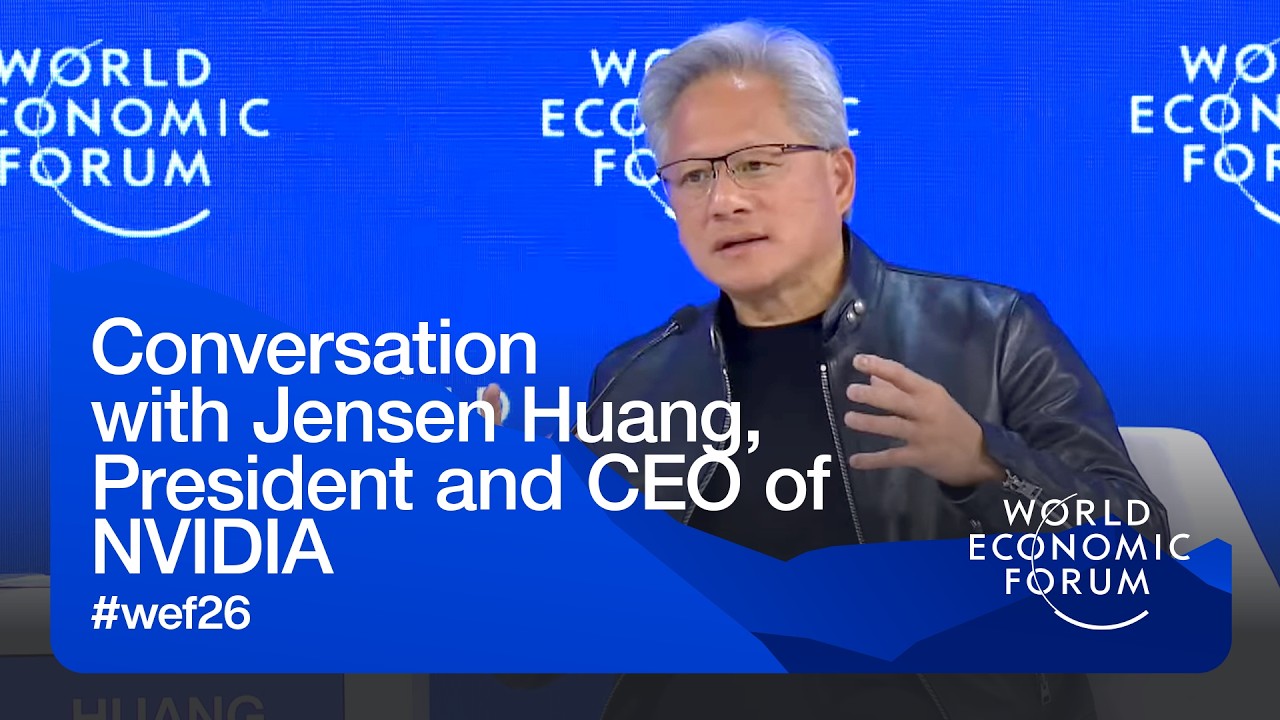
"That's going to create a lot of jobs," he says, citing skilled labor requirements for building out massive datacenters and increasing energy output to meet their demands.
The impact of AI on the job market was one of the main topics of discussion through the talk. Huang, in no uncertain terms, suggested that AI will create a labour shortage, rather than take jobs from humans. He suggests one way to understand his way of thinking is to look beyond the tasks required to do a job and instead determining the purpose of a job.
"Now, the easiest way to think about whether what is the impact of AI on a particular job is to understand what is the purpose of the job and what is the task of the job," Huang says.
"If you just put a camera on the two of us and just watched us, you would probably think the two of us are typists, because I spend all of my time typing and and so if AI could automate so much word prediction and help us type, then we would be out of jobs. But obviously that's not our purpose. And so the question is, what is the purpose of your job? In the case of radiologists and nurses, it's to care for people, and that purpose is enhanced and made more productive because the task has been automated."

I do think there are instances where this is not the case. When AI is entirely replacing the purpose of someone's job—or intrinsically changing it or shifting it further away—such as generative AI and artists or musicians, or closer to home, when AI tools are used to summarise news stories. When the AI is not owned or run by those professions affected by its use, it's not as often beneficial. Jobs may be created in some sectors, but similarly, jobs may move from other sectors entirely as it permeates into the wider market.
Though Huang aims to keep things positive about AI, as you would expect from a CEO in his position signing off with a request for people to "get involved". And if anything is clear from this talk, according to these two, it wouldn't appear there's signs of slowing for the rapid buildout of AI. If anything, they suggest the large-scale investment in AI is only just beginning.
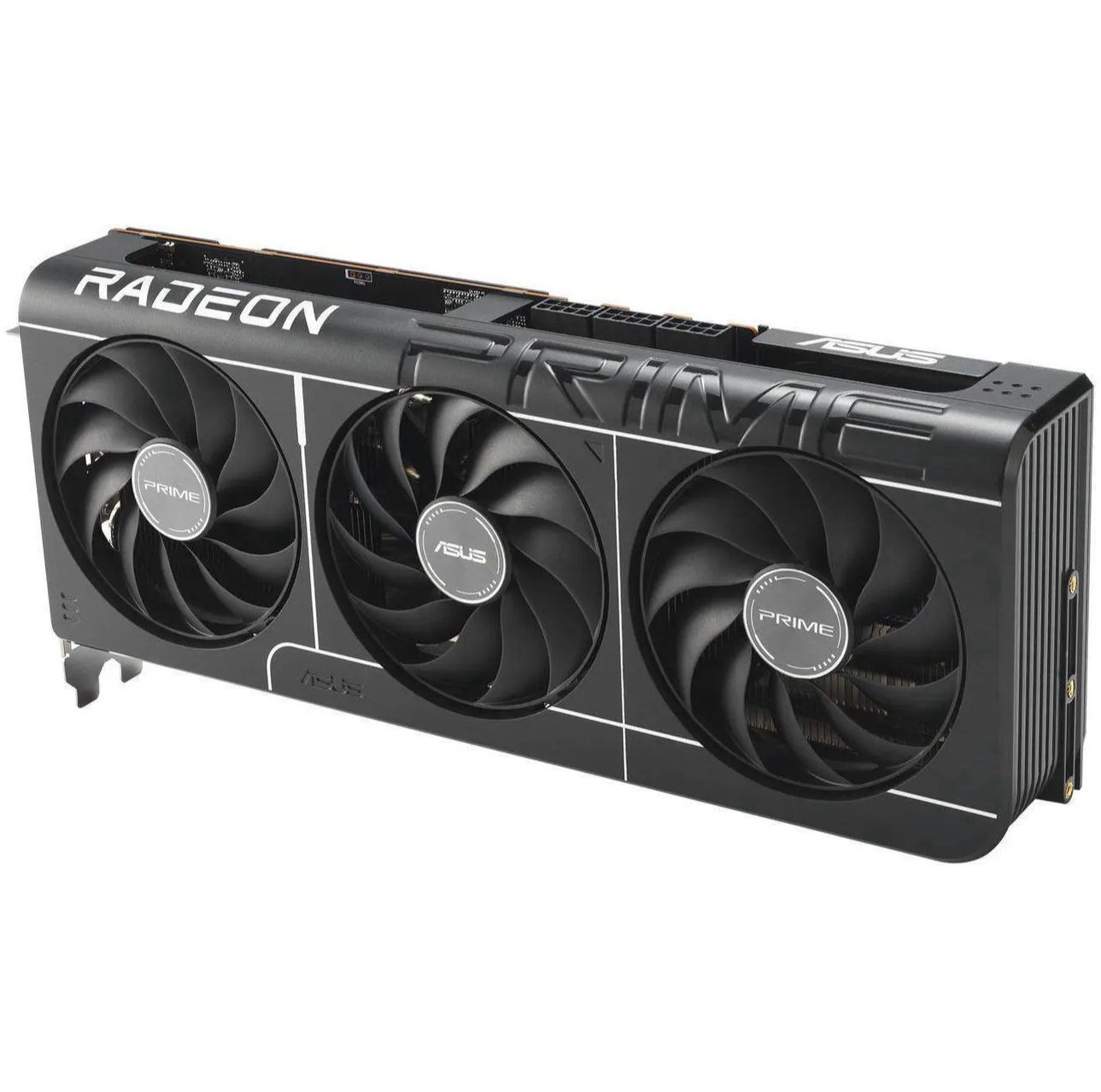
1. Best overall: AMD Radeon RX 9070
2. Best value: AMD Radeon RX 9060 XT 16 GB
3. Best budget: Intel Arc B570
4. Best mid-range: Nvidia GeForce RTX 5070 Ti
5. Best high-end: Nvidia GeForce RTX 5090

You must confirm your public display name before commenting
Please logout and then login again, you will then be prompted to enter your display name.