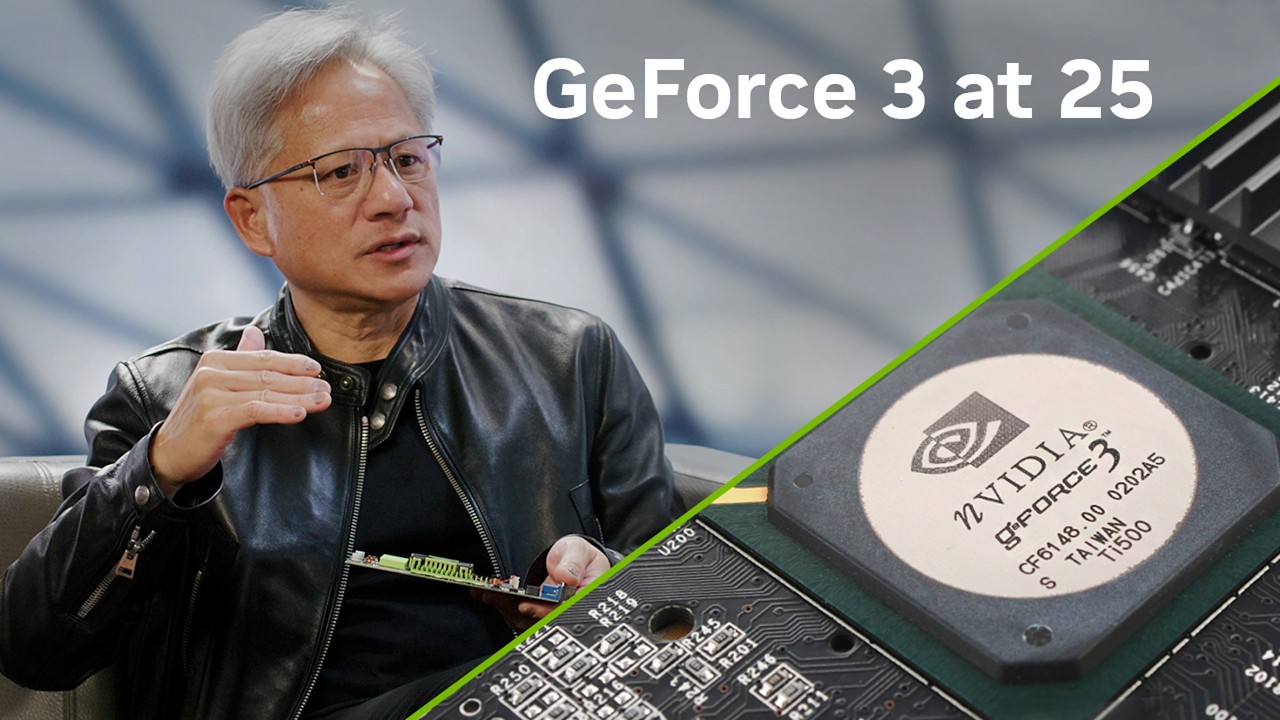
Launching in 2001, Nvidia's GeForce 3 series marked an important step for Nvidia, according to CEO Jensen Huang. In a YouTube video, Huang celebrates the 25-year anniversary by waxing lyrical about the card and what it means for the company.
"We introduced really the first successful mainstream graphics accelerator, Riva 128 and subsequently Riva TNT, Riva TNT2, and what we did well was recognising the graphics pipeline is really deep. Where we intercepted it was at exactly the right place.
Article continues below"That entire pipeline stage, including the intense memory traffic, the texture processing, all of that was done in hardware."
He argues that computer graphics, at the time, "was looking exactly the same".
Nvidia's goal was reportedly to serve as a tool to get games looking different and expressive. The GeForce 3, with its pixel shaders and more flexible architecture, allowed a level of creative freedom to game developers. Huang argues that artists in games "can't be pre-coded."
Huang spends time reflecting on not only what the GeForce 3 did, but what has changed since. He notes the relatively small number of transistors in the GeForce 3—30 million—versus the several hundred billion that chips are working with now.
One other big change is power draw. Huang says, "This is what? 35 watts? We're now pushing on 3,500 watts."
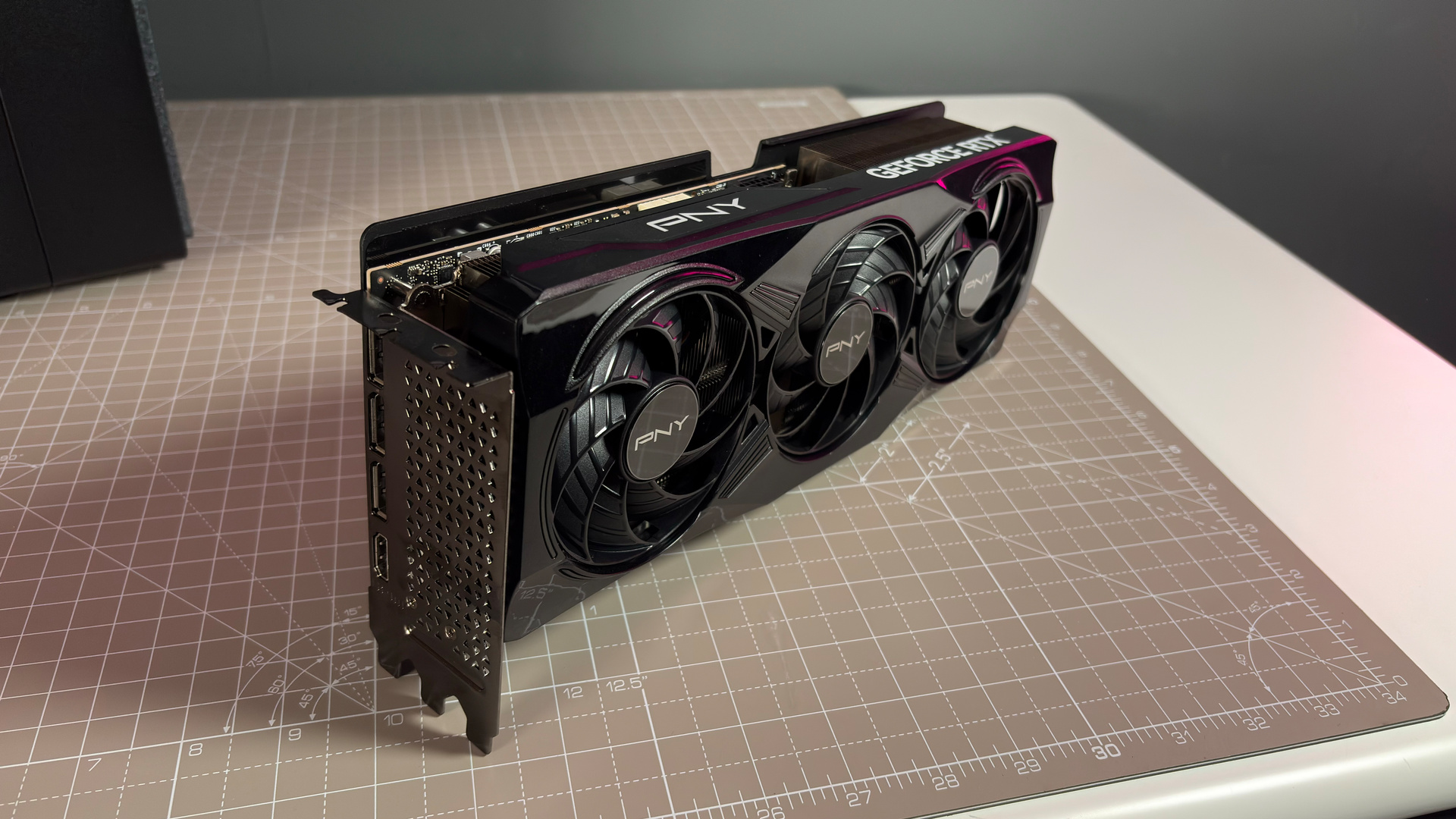
Even looking at the 130 W-575 W needed to run the RTX 50-series cards, games have come along an incredible amount in the 25 years since the launch of the card. Gamers picking up the GeForce 3 in 2001 would be treated to classics like Max Payne, Civilization III, Microsoft Flight Simulator 2002, and Baldur's Gate II: Throne of Bhaal.
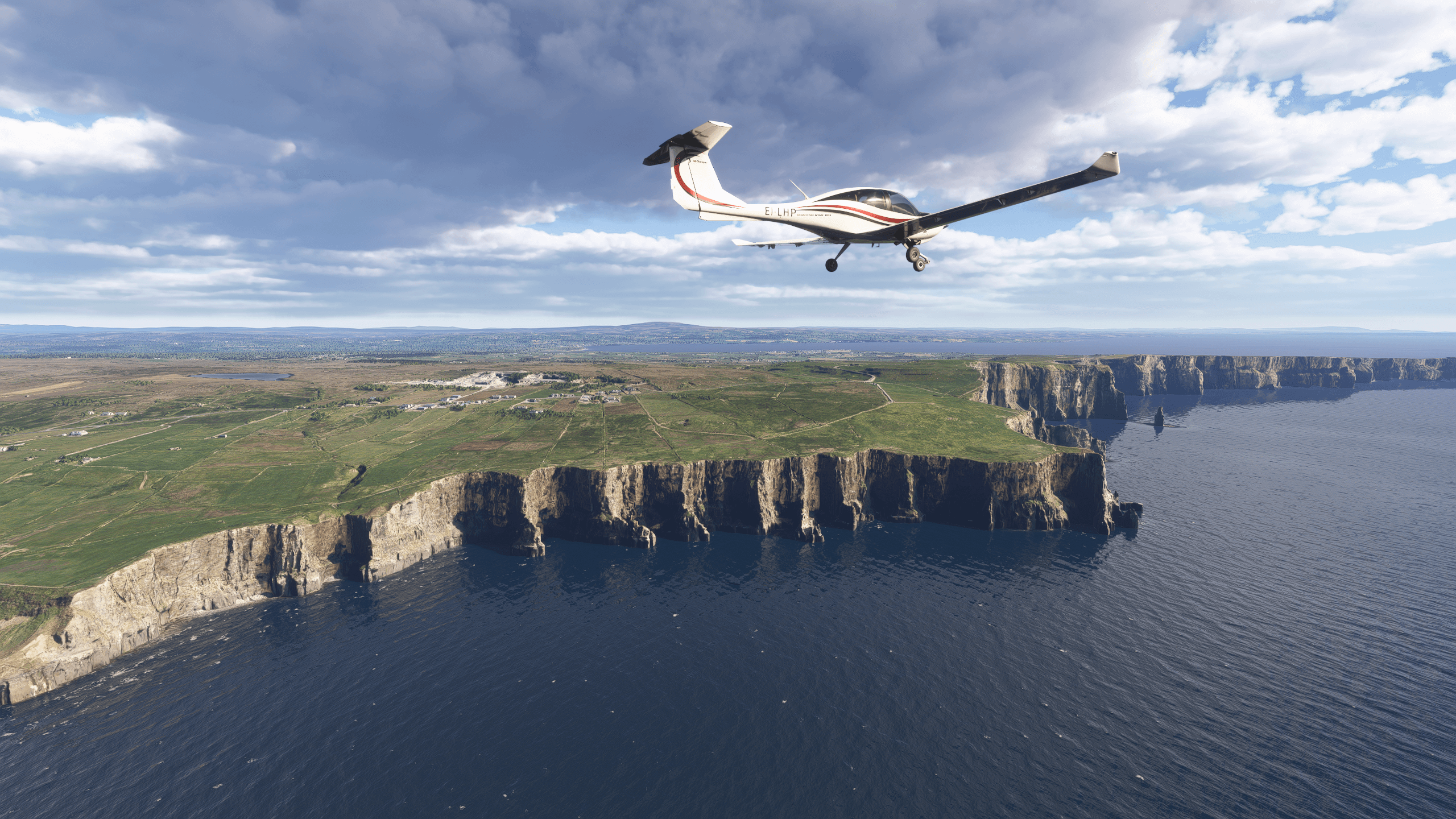
Gamers playing games now can play graphically impressive titles like Microsoft Flight Simulator 2024, Baldur's Gate 3, and other games that aren't just sequels to older games.

There were three central GeForce 3 cards: the GeForce 3, GeForce 3 Ti200 and GeForce 3 Ti500. The $500 GeForce 3 was considered the high-end card (which is a far cry from the $2,000 MSRP of the Nvidia RTX 5090), where the GeForce 3 Ti500 came in at around $350 and the GeForce 3 Ti200 fetched $150.
All three had a 128-bit bus, 64 MB of memory, four pixel shaders, one vertex shader, and they were all based on the 150 nm process size.
Still, as games of its era proved, great experiences aren't just about what you've got under the hood. And PC gamers were eating good in 2001, with all hundred or so MB of memory, and a CRT in tow.
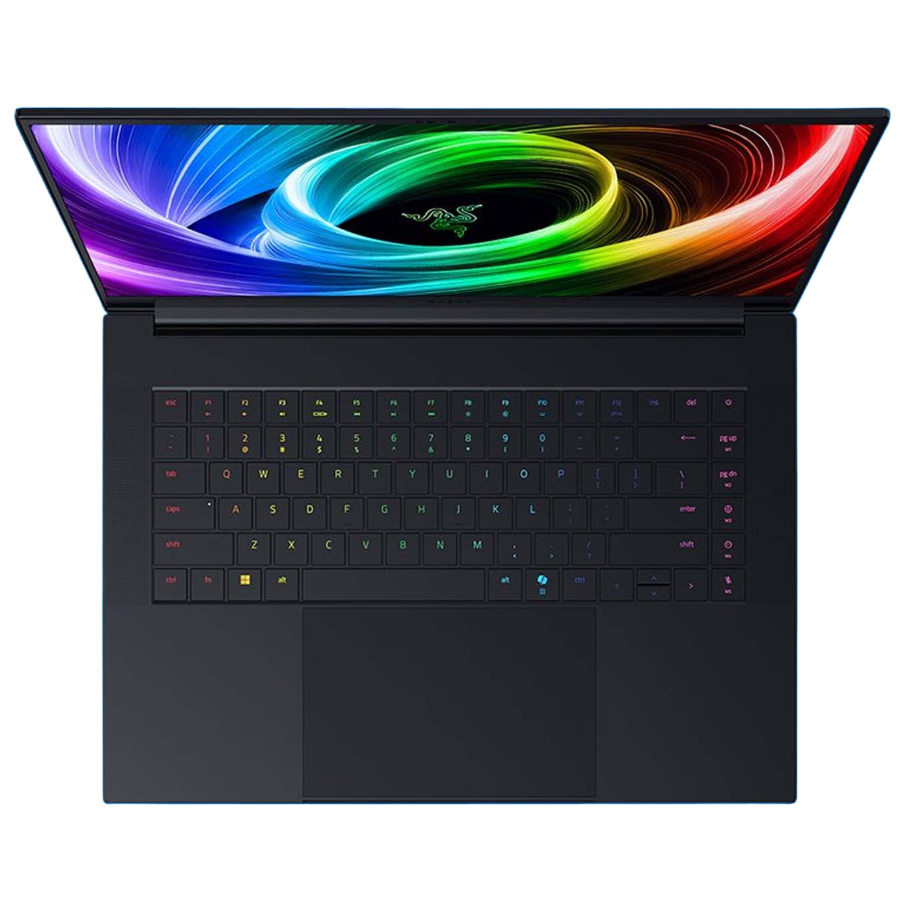
1. Best gaming laptop: Razer Blade 16
2. Best gaming PC: HP Omen 35L
3. Best handheld gaming PC: Lenovo Legion Go S SteamOS ed.
4. Best mini PC: Minisforum AtomMan G7 PT
5. Best VR headset: Meta Quest 3

You must confirm your public display name before commenting
Please logout and then login again, you will then be prompted to enter your display name.