Discord's plan to begin defaulting users to a 'teen-appropriate experience' unless they upload a copy of their ID or submit to a facial scan didn't appear out of thin air: it's a clear reaction to an international wave of legislation limiting access to social media and adult content without age verification. The Australian government has banned minors under 16 from using 10 social media platforms, including TikTok, YouTube and Twitch—though notably not Discord. The UK's Online Safety Act likewise demands that platforms provide age checks if users will be able to access "harmful content" including pornography, which is why UK Discord users have already been subject to ID verification since last year.
But why has the company jumped from users in a single country being forced to upload their ID or submit to a face scan to making it universal policy?
Article continues below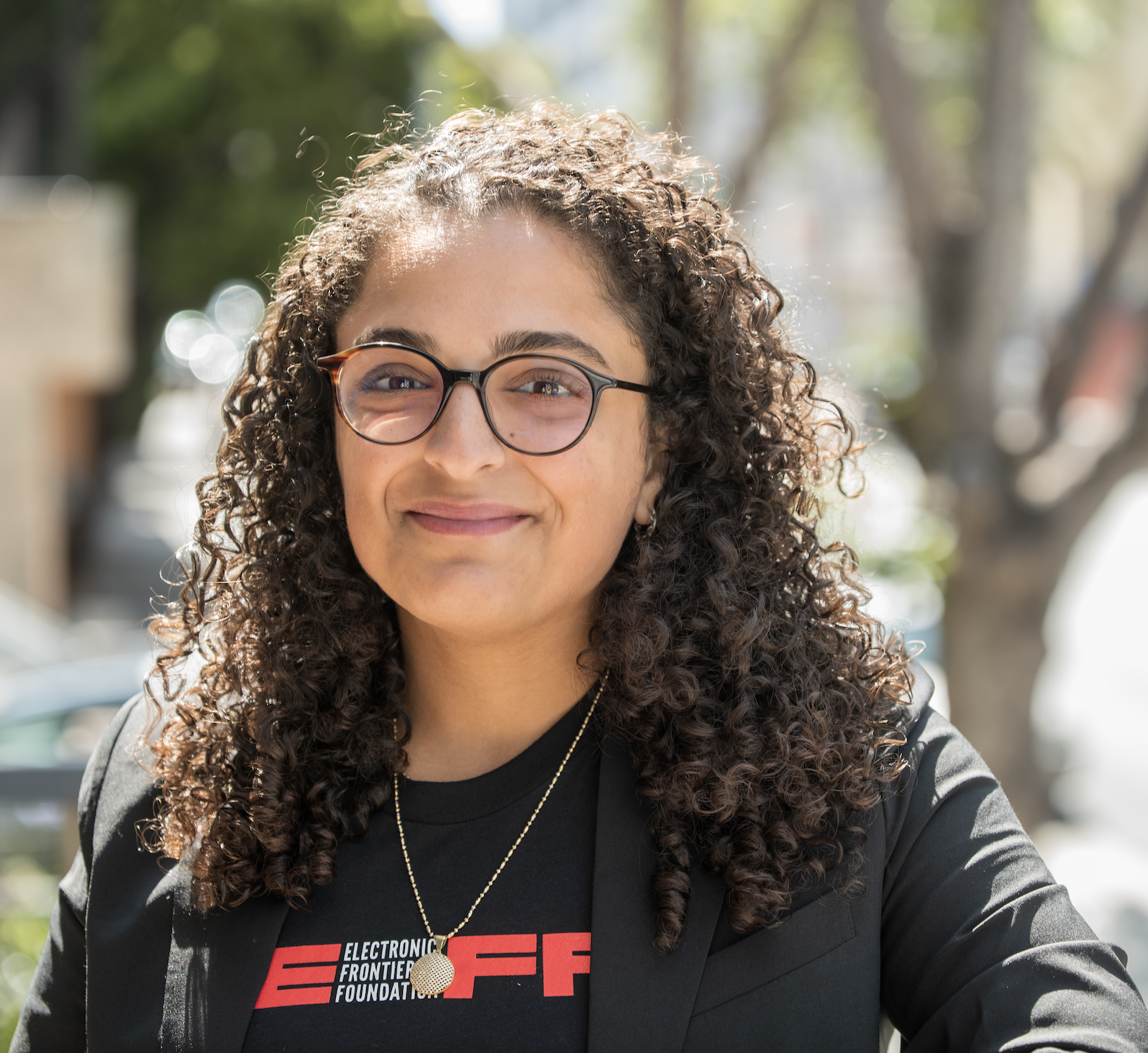
Alajaji is "primarily focused on state legislation impacting digital privacy, surveillance, reproductive rights, and free expression," according to her Electronic Frontier Foundation bio.
Alajaji spoke with PC Gamer about Discord's decision this week, saying that the first thing that came to mind when she heard the news was Timothy Snyder's On Tyranny and its first lesson, "do not obey in advance."
"This is so bad if Discord's already being like, 'you know what, let's just do it for everyone,'" she said. "What's stopping other platforms and the internet at large from throwing their hands up and being like, 'it's just easier to cover our ass?'"
While Discord isn't currently affected by Australia's social media ban for children under 16, it's doing less to stand up for its users than some of the platforms that are. Reddit sued to overturn the law in December, saying it pushes "intrusive and potentially insecure verification processes on adults as well as minors." That's not just a theoretical argument, considering a Discord partner was breached in October, leaking 70,000 users' scanned government IDs.
"[Discord] have a big legal team, I'm sure, so there's no reason to comply in advance, especially for every user, everywhere, when there are lots of different states and lots of different countries that don't have these mandates," she said. "Bluesky recently decided to comply with Mississippi law, and they were able to do that for that one state. If they could figure out a way to follow the law in specific states and countries without throwing everyone else under the bus, then so should Discord."
In the US, the Electronic Frontier Foundation is actively fighting against age verification laws on First Amendment grounds, and decried a decision in the case Free Speech Coalition v. Paxton last year as "a direct blow to the free speech rights of adults."
"This ruling allows states to enact onerous age-verification rules that will block adults from accessing lawful speech, curtail their ability to be anonymous, and jeopardize their data security and privacy," the organization wrote. "These are real and immense burdens on adults, and the Court was wrong to ignore them in upholding Texas' law."

But the organization also sees age verification laws as invasive for children. "We think they impact young peoples' ability to access information, their First Amendment rights to have an experience like everyone else, to be able to organize and connect with people that share their demographics or their interest, and all these age verification mandates end up blocking them from that," she said.
After the outcry over its announcement this week, Discord hastily offered the reassurance that "for the majority of adult users, we will be able to confirm your age group using information we already have." The statement served as an uneasy reminder that even when they aren't explicitly asking us to scan our faces for identification, today's tech companies quietly collect a great deal of information about our habits and identities.
And even if most users won't actually have to present their government ID for verification, Discord is still drawing a line between what is and what is not considered "adult" content to gate access to it—a process that critics have said often unfairly affects LGBTQ+ and minority communities.
"It's a big concern for LGBTQ young people and people broadly," Alajaji said. "My top example of this is the Kids Online Safety Act sponsor in Congress, Marsha Blackburn, has literally said in the media that the purpose of the bill is to get rid of 'the transgender' online. I see bills which use very similar legislative language to book bans, as well, which we've seen around the south—they use the same obscenity language, the same 'harmful to minors' language. I find it hard to believe that some attorney general won't find a reason to come after a sexual health provider or LGBTQ center that provides sexual health education for being 'harmful to minors.'"

Discord does face some legal liability from US states and countries pushing age verification, and there's no doubt that the internet as a whole is sliding precipitously into a place where regulations demand both adults and minors surrender more of their privacy and anonymity in the name of safety. But by complying in advance and effectively deciding "we're all going to be under Texas law or Australian law," as Alajaji puts it, a company with the financial resources to challenge the current wave of overreaching legislation is rolling over without a fight.
The silver lining, if there is one, is that reactions to the Discord news could help fuel a groundswell of support for widespread protests like those speaking out against SOPA and PIPA in the early 2010s.
"It was a big movement, where everyone was talking about this and everyone was opposed to this, and that was able to slow the momentum down," she said. "I think the Discord news has gotten people to realize it's hitting close to home now. It's not just the big porn platforms, it's my gaming group chat and my study group, and now I can't access that. As the internet starts looking a lot different than what we know the internet to look like, then we end up, I hope, in a place where people are angry and ready to push back. And I hope it's not too late when that happens."
The EFF has a resource hub dedicated to more information on age verification laws and resources for those who want to reach out to lawmakers and their representatives to "protect their rights to privacy, anonymity, and free expression online."

You must confirm your public display name before commenting
Please logout and then login again, you will then be prompted to enter your display name.