I don't mean to overreact, but someone needs to stop Skyrim design lead Bruce Nesmith before I actually start crying. The ex-Bethesda dev's been on a tear of late, chatting about everything from Todd Howard's tendency to "seagull" around the studio to his take on why Bethesda shouldn't ditch its venerable old in-house engine. That's all fine. Unforgivably, though, he's also told interviewers that he thinks anyone playing Morrowind today would "cringe" and that the game "would not stand the test of time."
Let me stop you right there, buster. I played Morrowind literally yesterday (via OpenMW) and that game is still the best thing Bethesda's ever done and one of the best games ever made. So jot that down.
Article continues belowThe Dragon Break at the end of Daggerfall—also called The Warp In The West—was Bethesda's way of accommodating that game's multiple endings in the stories of later games in the series. Daggerfall's ending depended on which faction gained control of Numidium, a giant brass god built by the Dwemer, but which the Dwemer never activated because they, uh, all disappeared (or they did activate it and thus caused their own disappearance, maybe? God, Elder Scrolls used to be cool).

How do you write The Elder Scrolls 3 when any of five factions could have seized the impossibly powerful brass god at the heart of The Elder Scrolls 2? Easy: you just say they all did, because time got incredibly weird and so every ending happened at once.
And if you want that explained, here's a passage from the in-game lore about it:
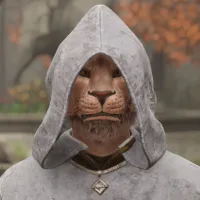
"Do you mean, where were the Khajiit when the Dragon Broke? R'leyt tells you where: recording it. 'One thousand eight years,' you've heard it. You think the Cyro-Nordics came up with that all on their own. You humans are better thieves than even Rajhin! While you were fighting wars with phantoms and giving birth to your own fathers, it was the Mane that watched the ja-Kha'jay, because the moons were the only constant, and you didn't have the sugar to see it."
So that clears that up. Anyway, as I'm sure you'll agree, this is cool as hell—an inventive bit of storycrafting that opens up all sorts of wild possibilities (including the tantalising one that TES' Empire was itself founded because the first emperor used a Dragon Break to invade every province at once, or in other words: he had saved games).
Yet Nesmith, somehow, doesn't share my feelings on this. "By allowing all the possibilities to exist and never resolving them, you cause yourself some lore issues and I think that probably could have been handled better," he says. No! I disagree! It was handled incredibly well, in a way that preserved and expanded on the beautiful strangeness that made Daggerfall and (especially) Morrowind so special.

At least Nesmith agrees with me that TES' deep lore is one of its best parts: "That’s one of the beauties of the Elder Scrolls series. The lore is so deep.
"When you have a game where time has been split into six parts and giant constructs that are 100 feet tall stride the earth, there's all kinds of crazy things you could do if you were to choose to." Though he does say "it's dangerous to mix science fiction and fantasy. People who like fantasy like fantasy," which I will spare you another 500 words of me complaining about. Suffice it to say, I disagree. And to be fair to Nesmith, that's not a hard rule on his part: "It’s not that you can't do it. It's been done before in the Might And Magic series. They took their series into space and even had ray guns by the end of it."
And if you gave Nesmith control of a future game's lore? "I would go deeper and deeper into the Daedric Lords and their realms. I think that's always been at the heart of what makes The Elder Scrolls feel like The Elder Scrolls and I think there's a lot of really interesting things you could do there." Hey, sounds good to me. Perhaps you could break a dragon or two while you do it.

You must confirm your public display name before commenting
Please logout and then login again, you will then be prompted to enter your display name.