One of the most popular D&D settings is Spelljammer, a supplement that turns your sword & sorcery to space-faring swashbuckling. While it's certainly a tone shift, it's not an unreasonable one—fantasy adventuring and the idea of a great, unexplored frontier have a lot to do with space. Treasure Planet understood this, as does Pathfinder 2e, which also has Starfinder as another setting.
If you're John Harper, creator of TTRPG darling Blades in the Dark, or Tim Denee, tasked with writing a supplement to said system, you might be wondering how to make a similar statement with a setting overhaul—especially since BoTD's setting is so very specific. In case you're unfamiliar, most BoTD games take place in Duskvol, which is a post-apocalyptic gothic city surrounded by a blood sea and walls of lightning to keep the ghouls and spectres out. Inside that city, you do crimes.
Article continues below"Blades is a post-apocalyptic setting, and it’s quite fragile," he says, also explaining to Polygon that the system is inspired by Arkane's similar shift from the steampunk of Dishonoured to the 60s psychedelia of Deathloop. "The real-world ‘60s [were] kind of colourful, and there’s a certain amount of optimism. I knew I wanted to get there, so I started making foundational decisions around that."
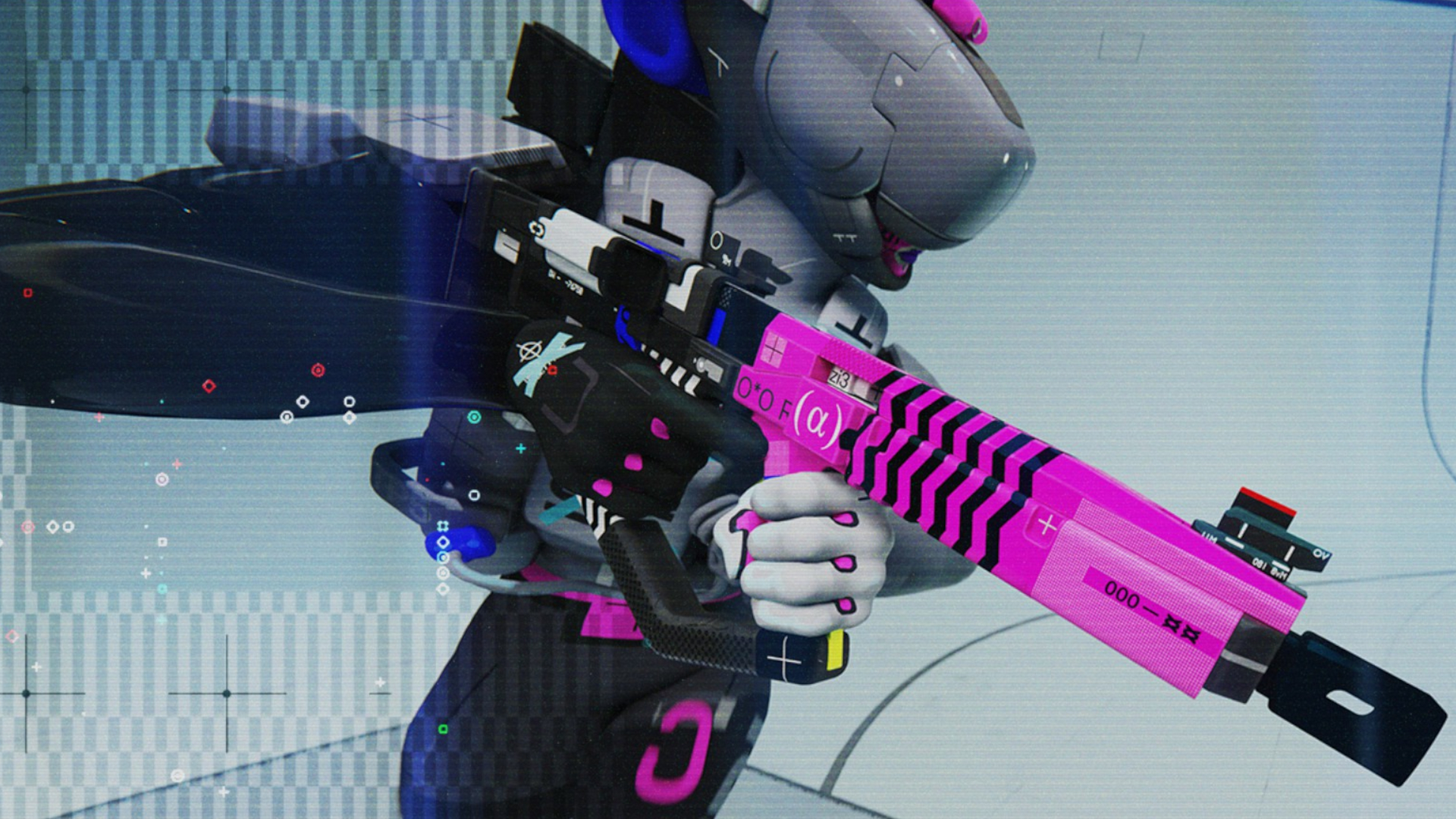
Reading into the core concept, though? This all sounds sick as hell. It's still Duskvol. There's still a blood sea. There are still ghosts hungering outside the gates—but technology is a wonderful thing, and it's smoothed things over tremendously: "In the Swinging Sixties, there's a plasmovision in every home, an autopod in every driveway, and the B.L.U.E. array overhead keeps the supernatural horrors of the deathlands at bay. (Mostly.)."
That B.L.U.E array is an artificial sky (Duskvol is under an eternal night, usually), which Denee explains is "lovely, but a bit too saturated, a bit too psychedelic. There’s a new power source, but it comes from the way they dispose of human bodies. There’s sort of a Soylent Green thing going on as well."

You must confirm your public display name before commenting
Please logout and then login again, you will then be prompted to enter your display name.