Where will the ever increasing elephantism of modern graphics cards like the monstrous Nvidia RTX 4090 end? In dead GPUs, it seems. A German computer repair technician has reported that Nvidia RTX 2080 Ti boards are now routinely failing due to the stress caused by the heavy graphics card sagging in the socket.
KrisFix (via Tom's Hardware) says that some of the card's memory chips can suffer from failing solder points due to the board flexing under heavy sag in the PCI Express socket. It's the chips located nearest the socket that fail because that's where the board bends the most.
Cards that fail in this manner can be repaired, but re-balling and soldering the memory chips isn't excatly a straight-forward DIY job.
The better option is preventative measures and happily that's actually pretty straight forward. One easy option is an anti-sag bracket which many larger graphics cards do indeed include in the box.
Another option is a vertical graphics card mount that allows you to rotate the board through 90 degrees and remove all the stress. Either that or let's all return to those clever landscape PCs of yore, you know the ones in beige boxes, and forget all these silly tower PCs and their sagging GPUs.
If you've been running a big old card without support don't immediately panic. RTX 2080 Ti cards are now over four years old, so it takes a while for the stress of hanging from a socket to cause failure.
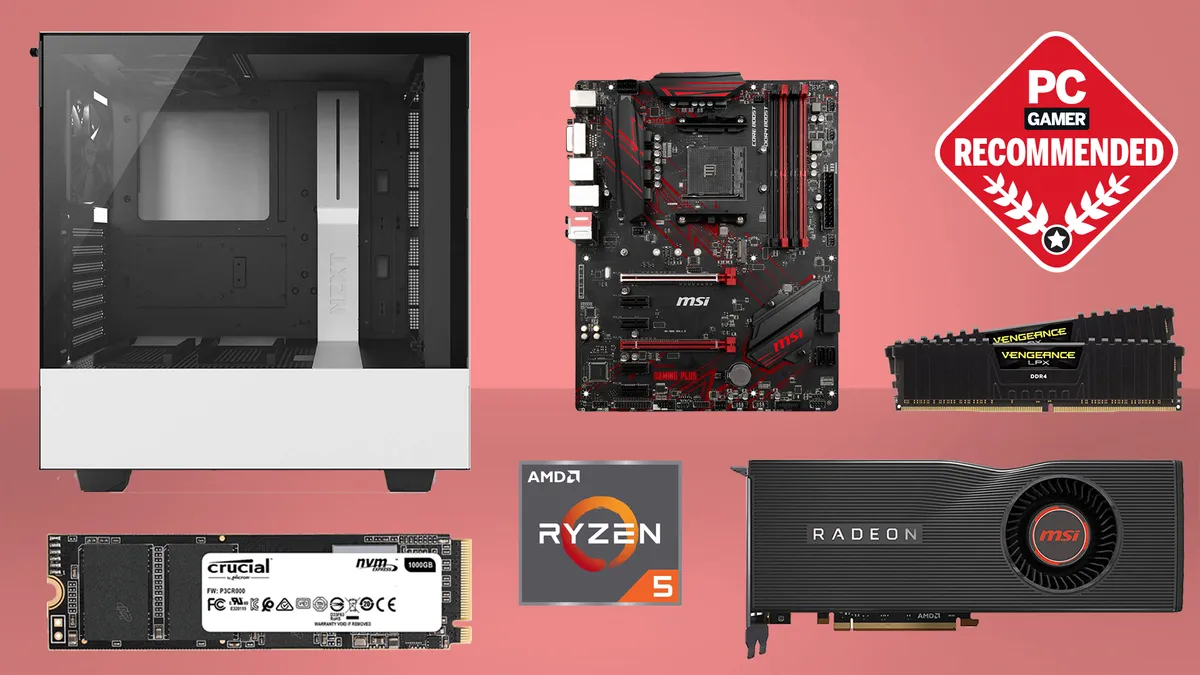
Best CPU for gaming: The top chips from Intel and AMD
Best gaming motherboard: The right boards
Best graphics card: Your perfect pixel-pusher awaits
Best SSD for gaming: Get into the game ahead of the rest
But if you do have a recent model, like say one of the ludicrously massive RTX 4080 and 4090 assemblies, currently dangling from the socket in a tower rig, it would be wise to sort out some kind of support sooner rather than later.
If anything, it could be more of a worry for buying second-hand cards. How much stress has that two-year-old RTX 30-series card already suffered?
All of this is another reason why we quite like the new Nvidia RTX 4070. It's a sensibly sized thing, an actual graphics card, not some oversized beast that seems to have grown out of all proportion to the original intention or specifications of the PCIe graphics slot.
We should note for completeness that there's no particular reason to assume these board stresses are unique to Nvidia. AMD has its own line in huge graphics cards, including the latest Radeon RX 7900 XT and XTX models. We'd be taking just as much care with those as larger Nvidia cards, that's for sure.