Join The Club





Google Chrome's incognito mode isn't as private as you might think it to be. Google is facing a $5bn class-action lawsuit in the US over claims it's illegally breaching the privacy of users while in the browser's incognito mode. However, the company claims that it clearly signposts the data it collects, despite the feigned privacy setting, and claims it is exonerated of blame.
Google's defence in the case, filed by law firm Boies Schiller Flexner in San Jose, California (via BBC News), is that it clearly states the data it harvests from users while in incognito mode. Therefore, the user knew what they were getting into.
What is that exactly? Private browsing is often no different to regular browsing. Very little data collection from third-parties is actually altered between regular browsing and private browsing tabs. Websites can still collect your data and movements between websites using trackers and cookies, all that private browsing mode offers is a way of eradicating trace of that session from your local machine, and prevent those cookies from being carried over into another session.


So there's not really much point in incognito mode. It's merely a tool to keep your dirty laundry away from the prying eyes of those closest to you, and they probably know what you're up to anyways.
As for the lawsuit, Boies Schiller Flexner represents three individuals in the US, and says that they represent a growing number of concerns regarding online privacy and how data is tracked and used.
"People everywhere are becoming more aware (and concerned) that their personal communications are being intercepted, collected, recorded, or exploited for gain by technology companies they have come to depend on," the filing reads.
So private browsing isn't so private. No surprises there if you're well-versed in online security. If you want to improve your online anonymity, then there are a few simple ways to go about it.
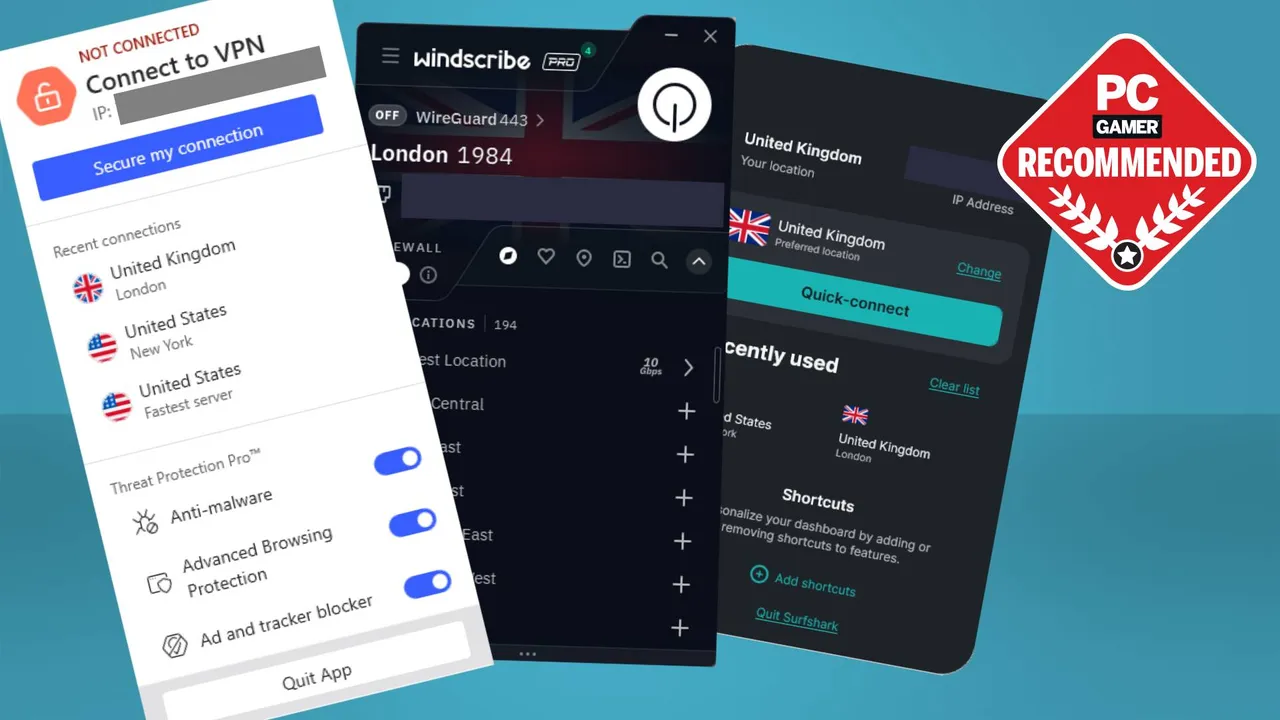
Plugins and extensions can't prevent some tracking, but come with their own privacy concerns if you're not careful, while a VPN can act as an encrypted intermediary and ensure that third parties have a much harder time keeping track of your whereabouts. And that doesn't have to nuke your online gaming performance either as our best VPN for gaming guide will attest.