Join The Club





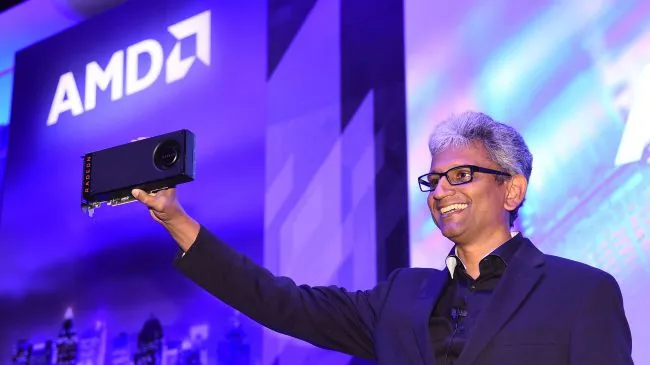
Intel's chief architect, Raja Koduri, the man in charge of gearing up Intel's discrete graphics charge with Xe, just received a 'surprise' AMD RX 6800 graphics card in the post from his ex-employer.
Koduri left his top position at the Radeon Technology Group back in 2017, following a short sabbatical from the role in the days following Vega's launch. It was always said that the Navi architecture (before we knew it as RDNA) was Koduri's pet project, so perhaps it's only fitting that the now-Intel GPU engineer would receive an RDNA 2 card in the mail.
‘Surprise’ package arrived from Toronto today! Thank you @radeon pic.twitter.com/mLkQZ2XBJAJanuary 15, 2021
The RX 6800 is a pretty darn great example of what second-gen Navi can do, too, although it's also come on leaps and bounds since the first generation and the RX 5000-series.


Best CPU for gaming: the top chips from Intel and AMD
Best graphics card: your perfect pixel-pusher awaits
Best SSD for gaming: get into the game ahead of the rest
GPU architectures take years to develop, and engineers are often working on projects far ahead of what the public are running on, or even have knowledge of. Take the Infinity Cache within the latest RDNA 2 graphics cards, for example. During an AMD engineering roundtable ahead of launch last year, Sam Naffziger, product technology architect, explains that this 'new' innovation had been in the works at RTG for at least three years before we ever caught whiff of it.
You need only look to the extensive list of public patents that any one of these GPU companies file week after week to get some understanding of that process. Many of which don't see the light of day for years.
As for Koduri, he is working on a direct competitor to AMD's graphics cards in DG2: the gaming graphics card built out of the Intel Xe architecture that's said to encompass a 512 EU GPU. That's pretty friggin' huge by Xe standards today, with the iGPU inside Tiger Lake maxing out at 96 EUs.
In other news, we just sent off our RX 6800 sample back to AMD and it apparently got 'lost in the post' for a moment there. Coincidence? There's no such thing...