You are now subscribed
Your newsletter sign-up was successful
Want to add more newsletters?

Every Friday
GamesRadar+
Your weekly update on everything you could ever want to know about the games you already love, games we know you're going to love in the near future, and tales from the communities that surround them.

Every Thursday
GTA 6 O'clock
Our special GTA 6 newsletter, with breaking news, insider info, and rumor analysis from the award-winning GTA 6 O'clock experts.

Every Friday
Knowledge
From the creators of Edge: A weekly videogame industry newsletter with analysis from expert writers, guidance from professionals, and insight into what's on the horizon.

Every Thursday
The Setup
Hardware nerds unite, sign up to our free tech newsletter for a weekly digest of the hottest new tech, the latest gadgets on the test bench, and much more.

Every Wednesday
Switch 2 Spotlight
Sign up to our new Switch 2 newsletter, where we bring you the latest talking points on Nintendo's new console each week, bring you up to date on the news, and recommend what games to play.

Every Saturday
The Watchlist
Subscribe for a weekly digest of the movie and TV news that matters, direct to your inbox. From first-look trailers, interviews, reviews and explainers, we've got you covered.

Once a month
SFX
Get sneak previews, exclusive competitions and details of special events each month!
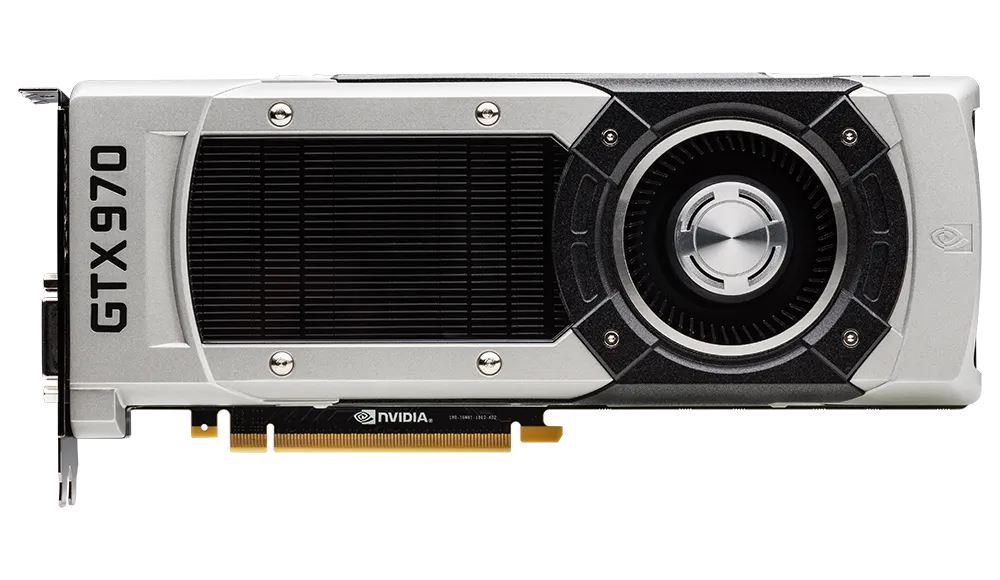
Back in early 2015, Nvidia was hit with a false advertising lawsuit over claims that the listed specs for its GTX970 video card were not accurate. Simply put, the 4GB of GDDR5 RAM the card was supposed to come with was actually 3.5GB of GDDR5 and a separate 500MB block running at a significantly slower speed. This isn't an issue for games that don't break the 3.5GB limit, but as Wes explained when the problem first came to light, it's a real problem for those that do.
The discrepancy, which Nvidia blamed on a breakdown in communications between its engineering and PR teams, actually led to multiple lawsuits, all of which, according to Top Class Actions, have now been settled. Nvidia has agreed to pay $30 to individual buyers of GTX970 cards, and also to cover $1.3 million in lawyer's fees. The total settlement amount wasn't revealed in court filings, but there will not be a cap on the total amount it pays off. The individual payment amount “was calculated to represent a portion of the cost of the storage and performance capabilities the consumers thought they were obtaining in the purchase of the product,” according to the report.
30 bucks isn't going to build you a new PC, but as my dad likes to say, it's better than a kick in the ass with a frozen boot. And let's be honest here, the GTX970 was a great card when it was new, and it remains extremely capable today. That doesn't excuse shenanigans, regardless of intent, but I have to agree with the assessment of the attorneys in the filing that this is a “fair and reasonable” settlement.
There are currently no instructions for consumers looking to claim their award, but that will no doubt be forthcoming in the fairly near future.


