Join The Club






This week: Looked at RAM prices and despaired at the prospect of putting off a PC upgrade for another year. (Hang in there, RTX 2070 Super!)
Before I start, I should disclose that I am bald and thus have limited need for shampoo.

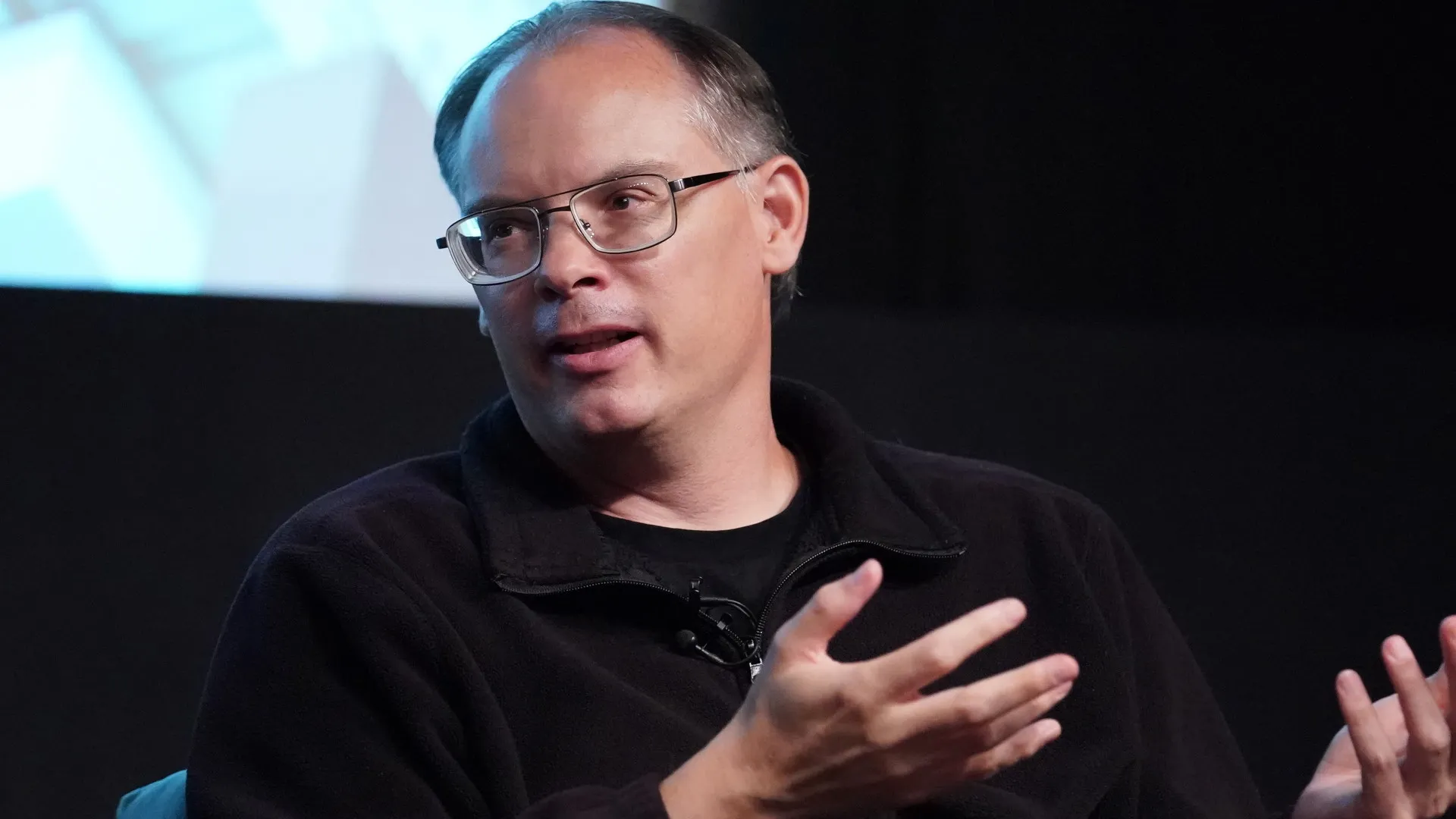
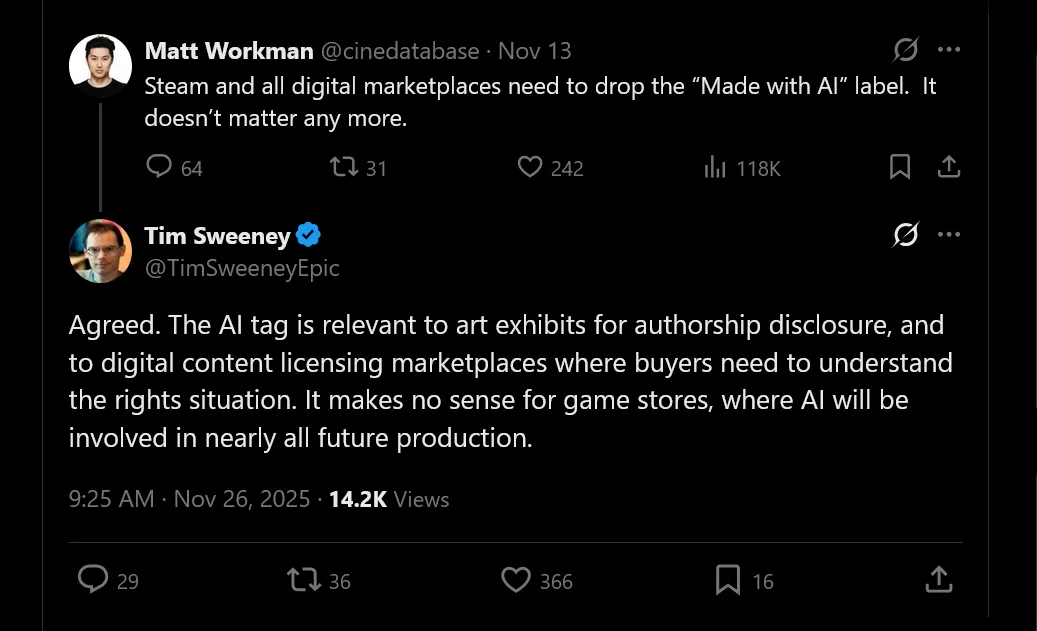
I respect Sweeney for mobilizing Epic's Fortnite fortune to challenge Apple and Steam's 30% cut, but I've got to side with the House of Gabe on this one: I don't see how it benefits consumers to pretend that generative AI is run-of-the-mill software. Steam's disclosure requirement is one of very few checks that have been placed on tech that, for one thing, has been credibly accused of automating plagiarism.
Article continues belowIt's definitely a complicated question for developers. Does it count if you used Photoshop's generative fill tool while making concept art that was never intended for the public eye? Or if you used Claude to generate a few code snippets? Or if someone in marketing used ChatGPT to make a spreadsheet?
But it's obvious what most consumers really want to know: Are we getting art, writing, music, and voices that were conceived and made by human brains and hands and vocal cords, with the expected influences from other artists, or did they outsource some of the work to sloppy culture-production machines that have been trained on other people's creations without consent, in a way they never could have expected?
If there were no merit to generative AI's bad reputation, I'd also push back on Steam's disclosure requirement for reinforcing nonsense or superstition, but these aren't baseless concerns. OpenAI has admitted that its products cannot work without training on copyrighted material. It argues that this qualifies as fair use. There is obviously disagreement on that point, and the AI industry has only managed to kick the legal side of this battle down the road by sucking up to politicians and promising big paydays to the media companies powerful enough to complain.
The significant power requirement of AI data centers is also not disputed, so that public concern can't be dismissed, either. No individual AI user is responsible for the total resource drain, but since we're on the topic of haircare products, it also took more than one can of chlorofluorocarbon hairspray to put a hole in the ozone layer.
I'm not personally writing off every developer that has ever touched any kind of generative AI, but I'd still like to know if and how they used it before I'm face-to-face with some mangled Midjourney creation.
And If they declare their AI use unabashedly and with detail rather than minimizing it, then at least I might believe that they honestly think it made their game better. Activision's coy little disclosure that it "uses generative AI tools to help develop some in-game assets" for Call of Duty, which only appears on Steam where it's required, does not suggest to me a lack of awareness that those assets suck, or at least that CoD's customers don't like them. That's something it's nice to know when deciding how to spend our money.
(If Activision actually doesn't think that using generative AI to make in-game assets is cutting corners, it is free to demonstrate its conviction by delivering a full-throated defense of those AI-generated assets, perhaps starting with the six-fingered Santa.)
So that's really it: Lots of people care to know if and how generative AI was used in a game, and their concerns about this brand new technology (it's only been around for a few years in its current commercialized form!) are not unfounded or frivolous. That seems to me like plenty of justification to require a disclosure if you're running a store that aims to serve consumers as much as it serves sellers.
If it really becomes true that the vast majority of games are generating art and music and voices with AI models, then sure, it will make more sense for game developers to announce that they have not used AI. But what a miserable thought!

You must confirm your public display name before commenting
Please logout and then login again, you will then be prompted to enter your display name.