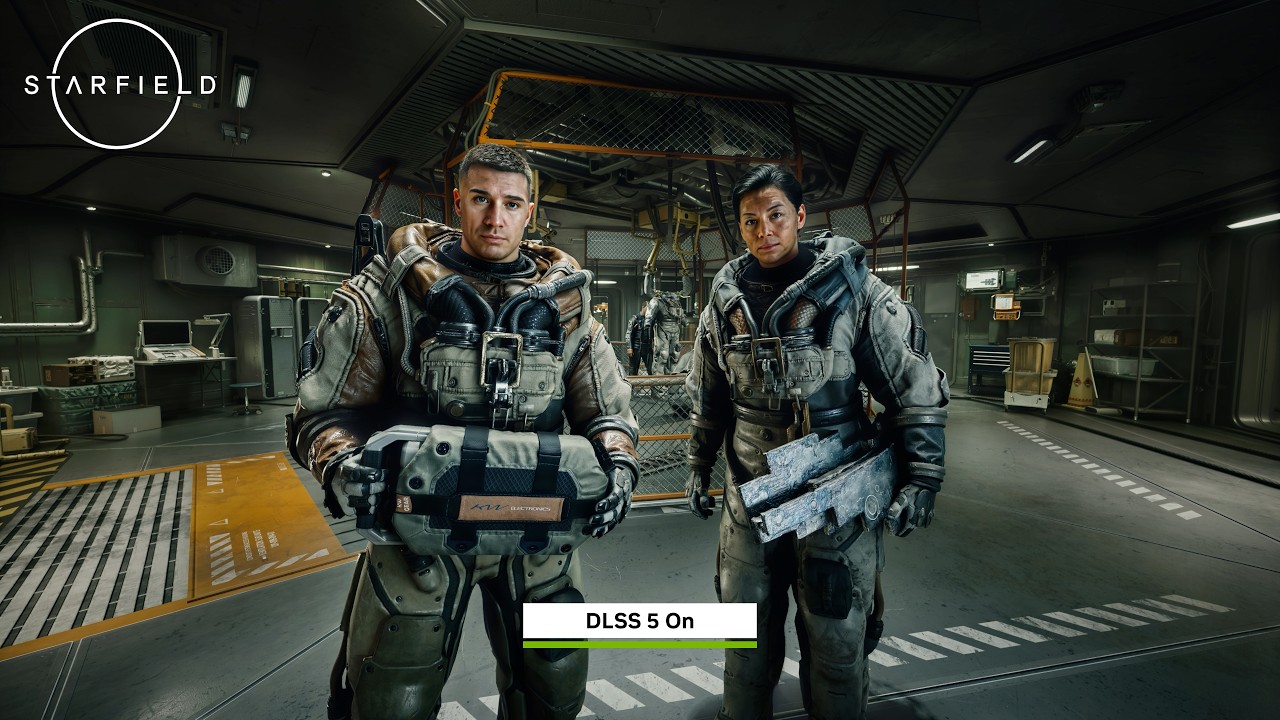
Nvidia has announced DLSS 5, which it calls the "future of real-time rendering", and an early demo has made it mostly look like an AI filter slapped over a handful of games. The results have not been massively positive as a result. Yet, Bethesda, which partnered with Nvidia to show it off in Starfield and Elder Scrolls 4: Oblivion Remastered seem all in on it as an upscaling option.
In Nvidia's announcement, Todd Howard says, "With DLSS 5 the artistic style and detail shine through without being held back by the traditional limits of real-time rendering. We’re excited to work with this new technology and look to bring DLSS 5 to Starfield and future Bethesda titles."
Article continues belowIt says, "This is a very early look, and our art teams will be further adjusting the lighting and final effect to look the way we think works best for each game. This will all be under our artists’ control, and totally optional for players."
Appreciate your excitement and analysis of the new DLSS 5 lighting here. This is a very early look, and our art teams will be further adjusting the lighting and final effect to look the way we think works best for each game. This will all be under our artists’ control, and…March 16, 2026
That last point is a key element of the conversation being had. Nvidia said last night that developers have "artistic control" over how DLSS 5 is implemented, but it wasn't clear what level of control they have, other than just turning the DLSS 5 toggle to 'off'. It did later clarify "The SDK includes things like intensity, color grading and masking off places where the effect shouldn't be applied. It's not a filter - DLSS 5 inputs the game’s color and motion vectors for each frame into the model, anchoring the output in the source 3D content."
Bethesda's comments here suggest a level of thought put into its implementation, and further clarifies that gamers can simply turn it off.
Replies to Bethesda haven't been massively supportive, with the post getting 2,300 likes and almost 800 comments at the time of writing. Generally, that's an abnormal like-to-reply ratio, with many of the top comments being overtly negative. Many believe that the use of AI to this degree is wrong, and this is partially tied to both quality and ethical concerns with AI itself.
This isn't helped by the fact that the faces in almost all of Nvidia's highlight reels look uncanny and awfully Instagram-like. Resident Evil Requiem's Grace Ashcroft is perhaps hit worst by the yassification beam, but grunts in Starfield also look like a cheap filter has been placed on top. DLSS 5 isn't just a filter, though; it works on a hardware level and impacts lighting, too. For its downsides, lighting in the Starfield clips doesn't look nearly as bad as the human-ish figures.
Nvidia's roll-out of this early demo has not managed to sell the tech very well to many developers, and it's no wonder why. Many are already not massive fans of AI, so showing clips that make games look potentially worse only makes the company profiting from AI (and its negative effects) look worse.
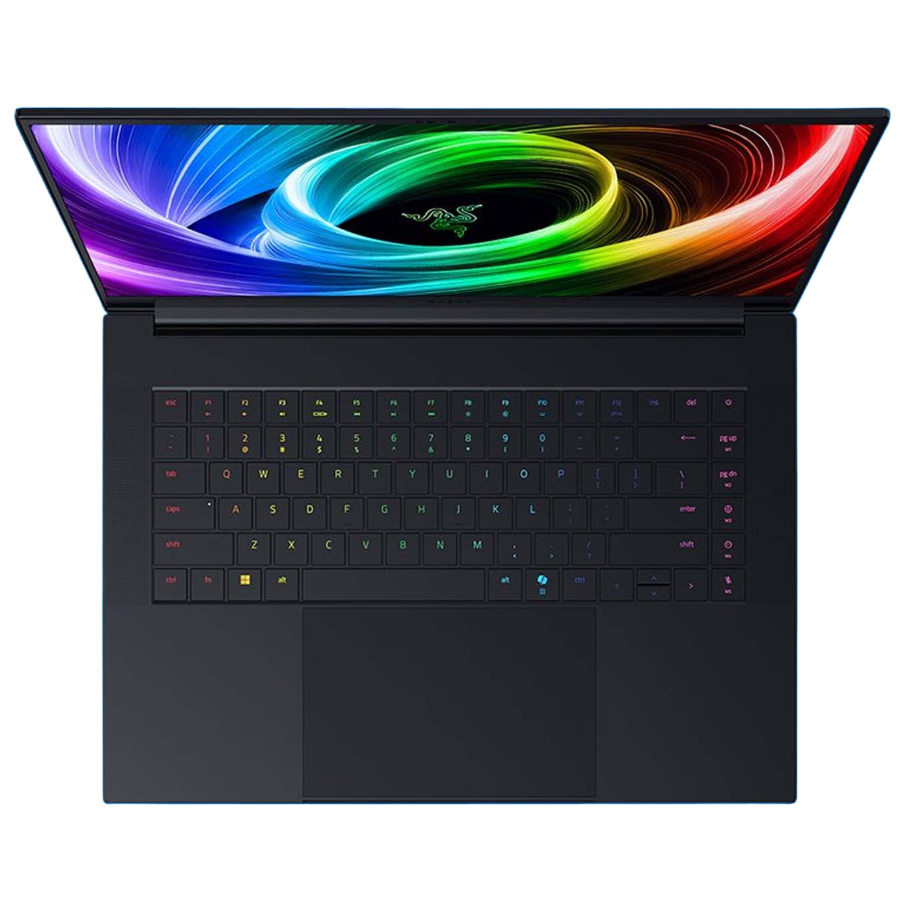
1. Best gaming laptop: Razer Blade 16
2. Best gaming PC: HP Omen 35L
3. Best handheld gaming PC: Lenovo Legion Go S SteamOS ed.
4. Best mini PC: Minisforum AtomMan G7 PT
5. Best VR headset: Meta Quest 3

You must confirm your public display name before commenting
Please logout and then login again, you will then be prompted to enter your display name.