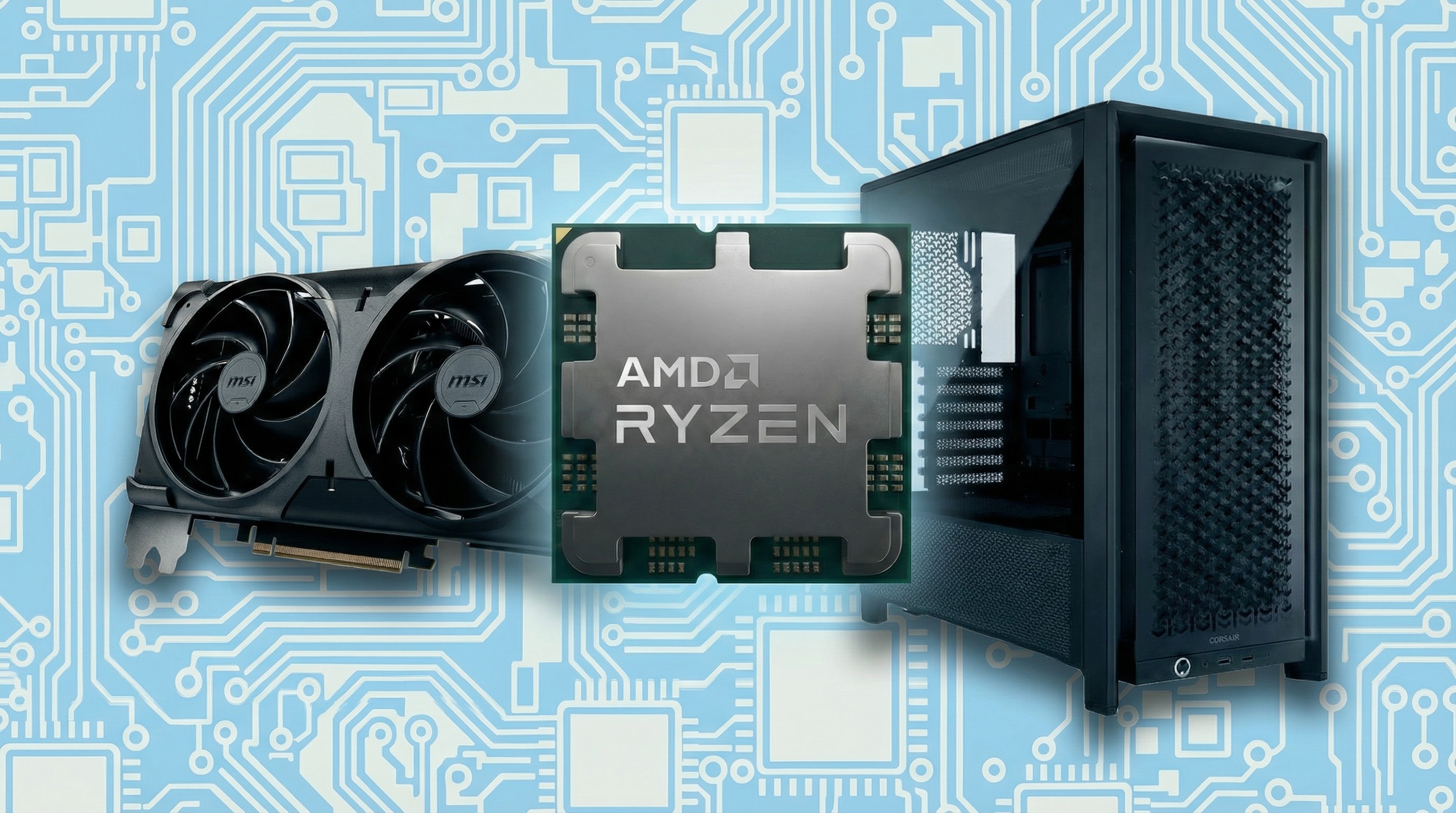
AMD is allegedly sizing up Samsung's new 2 nm node as an alternative to TSMC's N2 silicon for its next-gen chips
Keeping TSMC honest would be very good for the PC industry.
AMD is rumoured to be in talks with Samsung with a view to producing chips on a new 2 nm silicon production node. A new report from SEDaily claims, "the two companies plan to finalize the contract around January of next year after evaluating whether the process can actually achieve the performance level AMD demands."
SEDaily says the chip in question, "is presumed to be AMD's next-generation central processing unit (CPU)." Exactly what that means isn't clear. At least one outlet has decided it must be a version of AMD's next-gen "Venice" EPYC server CPUs based on Zen 6 technology.
AMD has already said that Venice's CPU dies will be built on TSMC's upcoming N2 node. So, if that assumption around using Samsung's foundry for the Venice CPU is true, AMD must be looking for a second source. Of course, AMD could be looking to make plenty of other chips on Samsung's new 2 nm node, which is branded SF2P.
A good candidate might be an APU for laptops and handhelds, perhaps a successor for its Strix Point chip. Or maybe its next generation of gaming GPUs. Samsung's SFP2 process is generally thought to be inferior to TSMC's various N2-generation silicon. However, AMD currently makes GPUs on TSMC N5-derived nodes, including N4.
With that in mind, Samsung's SF2P node might provide a clear progression and may be competitive with TSMC's N3 nodes, which have been in production for some time and AMD uses for its Zen 5C CPU chiplets.
If Samsung's new SF2P is indeed close to or on a par with TSMC N3 but undercuts it on price, well, that's an immediately compelling proposition. Moreover, what with reports that both AMD and Apple are also considering using Intel's fabs for upcoming chips, it's just possible that the chip foundry industry could be getting a lot more competitive in the next few years.
In the last decade or so, both Intel and Samsung have fallen well behind TSMC for chip producing prowess. The consequence has been a upsurge in demand for TSMC silicon from across the industry and a huge spike in pricing.
Keep up to date with the most important stories and the best deals, as picked by the PC Gamer team.
Some reports claim that TSMC will be charging $30,000 each for its upcoming N2 wafers, while the price for its even more advanced A16 node could be as high as $45,000 per wafer.
TSMC is currently said to demand $18,000 for an N3 wafer, like those used for Intel's Lunar Lake mobile CPU, while back in 2013 it was reportedly charging just $5,000 for a 28 nm wafer.
With TSMC's prices ballooning, some healthy competition from the likes of Samsung, and indeed Intel, would be awfully welcome. So, here's hoping both of those outfits get their next-gen fabs up to speed ASAP.
1. Best overall:
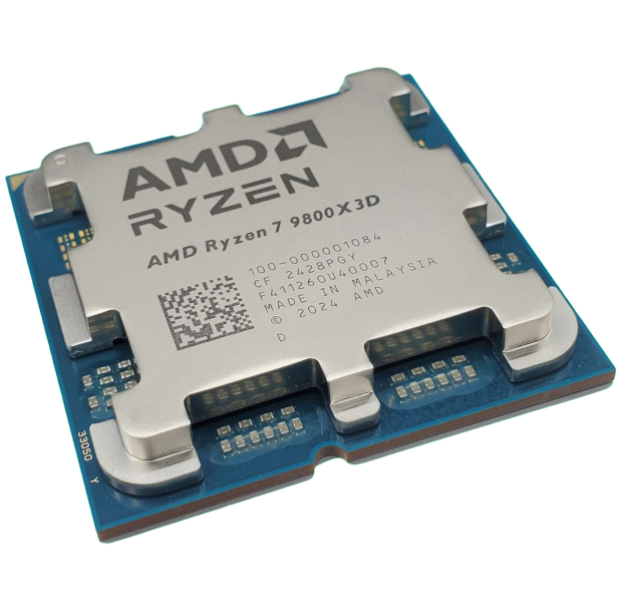
AMD Ryzen 7 9800X3D
2. Best budget:
AMD Ryzen 5 7600X
3. Best mid-range:
AMD Ryzen 7 9700X
4. Best high-end:
AMD Ryzen 9 9950X3D
5. Best AM4 upgrade:
AMD Ryzen 7 5700X3D
6. Best CPU graphics:
AMD Ryzen 7 8700G

Jeremy has been writing about technology and PCs since the 90nm Netburst era (Google it!) and enjoys nothing more than a serious dissertation on the finer points of monitor input lag and overshoot followed by a forensic examination of advanced lithography. Or maybe he just likes machines that go “ping!” He also has a thing for tennis and cars.
You must confirm your public display name before commenting
Please logout and then login again, you will then be prompted to enter your display name.