WD's new HDD tech promises 'flash-like' performance and just maybe a way out of the dreaded memory supply crisis
But it will probably just make hard drives more expensive, too!
Keep up to date with the most important stories and the best deals, as picked by the PC Gamer team.
You are now subscribed
Your newsletter sign-up was successful
Want to add more newsletters?
Every Friday
GamesRadar+
Your weekly update on everything you could ever want to know about the games you already love, games we know you're going to love in the near future, and tales from the communities that surround them.
Every Thursday
GTA 6 O'clock
Our special GTA 6 newsletter, with breaking news, insider info, and rumor analysis from the award-winning GTA 6 O'clock experts.
Every Friday
Knowledge
From the creators of Edge: A weekly videogame industry newsletter with analysis from expert writers, guidance from professionals, and insight into what's on the horizon.
Every Thursday
The Setup
Hardware nerds unite, sign up to our free tech newsletter for a weekly digest of the hottest new tech, the latest gadgets on the test bench, and much more.
Every Wednesday
Switch 2 Spotlight
Sign up to our new Switch 2 newsletter, where we bring you the latest talking points on Nintendo's new console each week, bring you up to date on the news, and recommend what games to play.
Every Saturday
The Watchlist
Subscribe for a weekly digest of the movie and TV news that matters, direct to your inbox. From first-look trailers, interviews, reviews and explainers, we've got you covered.
Once a month
SFX
Get sneak previews, exclusive competitions and details of special events each month!
Fair to say we're all desperate for a way out of the AI-driven memory and storage supply crisis, right? Well, how about a new class of old-school magnetic hard drives optimised for AI and with "flash-like" performance that might take the pressure off NAND memory and SSDs?
That's exactly what storage specialist WD has announced. In a blog post, WD has detailed a pair of new HDD technologies.
"Two breakthrough technologies can help solve the problem: High bandwidth drive technology (HBDT) enables multiple tracks to be read/written simultaneously, while dual pivot technology adds a second actuator to increase both capacity and performance," the blog says.
WD claims this results in, "4x throughput gains without sacrificing economics. Combining HBDT (2-track) and dual pivot can boost throughput from 300 MB/s to 1.2 GB/s—a 4x increase. A future design that scales to 8-track HBDT could deliver flash-like performance at HDD total cost of ownership (TCO)."
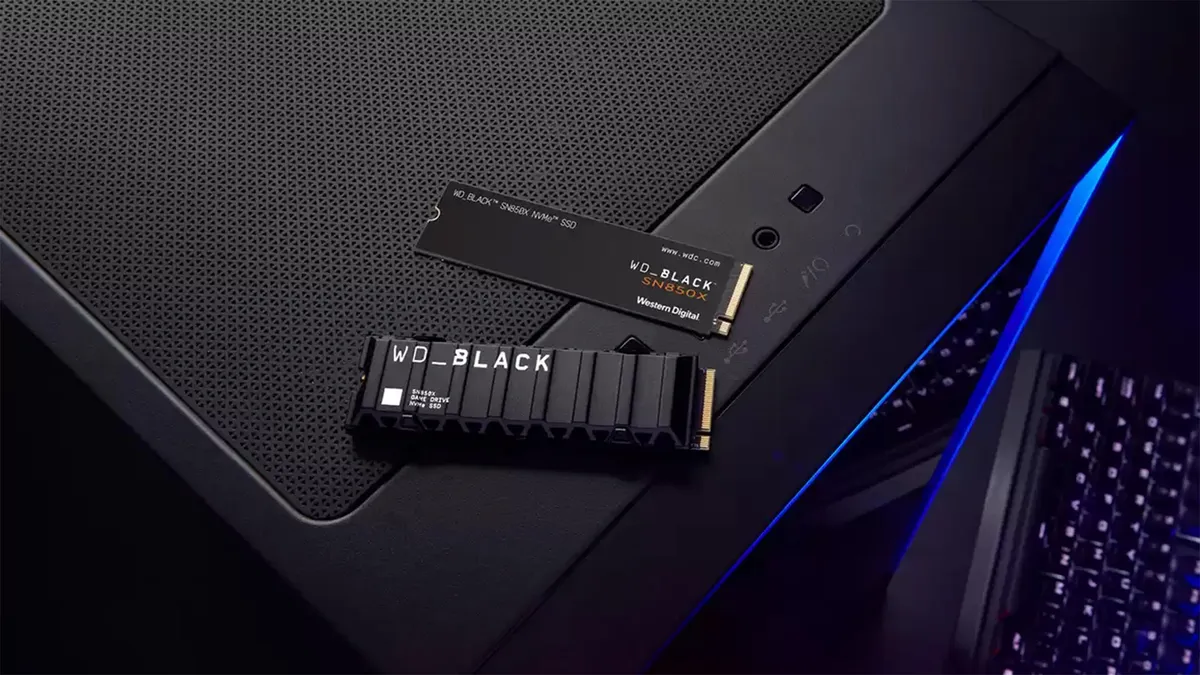
A boost from 300 MB/s to 1,200 MB/s is certainly a huge leap. Indeed, WD says that this approach could scale out to yet faster drives.
"Combining additional tracks goes even further—eight-track HBDT plus dual pivot could have a theoretical maximum throughput near 4.8 GB/s, a performance level that would expand the list of applications able to leverage mechanical spinning HDDs."
But there are implications that this type of performance may only pertain to very large sequential data transfers. "WD’s engineering approach prioritizes throughput per terabyte (MB/s/TB)—ideal for AI training, object storage, data lakes, and video streaming at exabyte scale," the company says.
Keep up to date with the most important stories and the best deals, as picked by the PC Gamer team.
In other words, not the little itty bitty random access performance that arguably makes more difference to day-to-day PC performance than peak sequential performance. Of course, that probably doesn't matter. WD's announcement makes it clear enough where these drives are intended to end up. And it's not inside our PCs.
However, if WD's new HDD tech is indeed fast enough to replace SSDs in some enterprise and AI installations, then that means a bit less demand for SSDs and the flash memory chips they depend on. Which has to be a god thing for PC SSD pricing.
Anywho, WD doesn't detail exactly when HDDs with these new technologies will become available. But, frankly, they can't come soon enough.
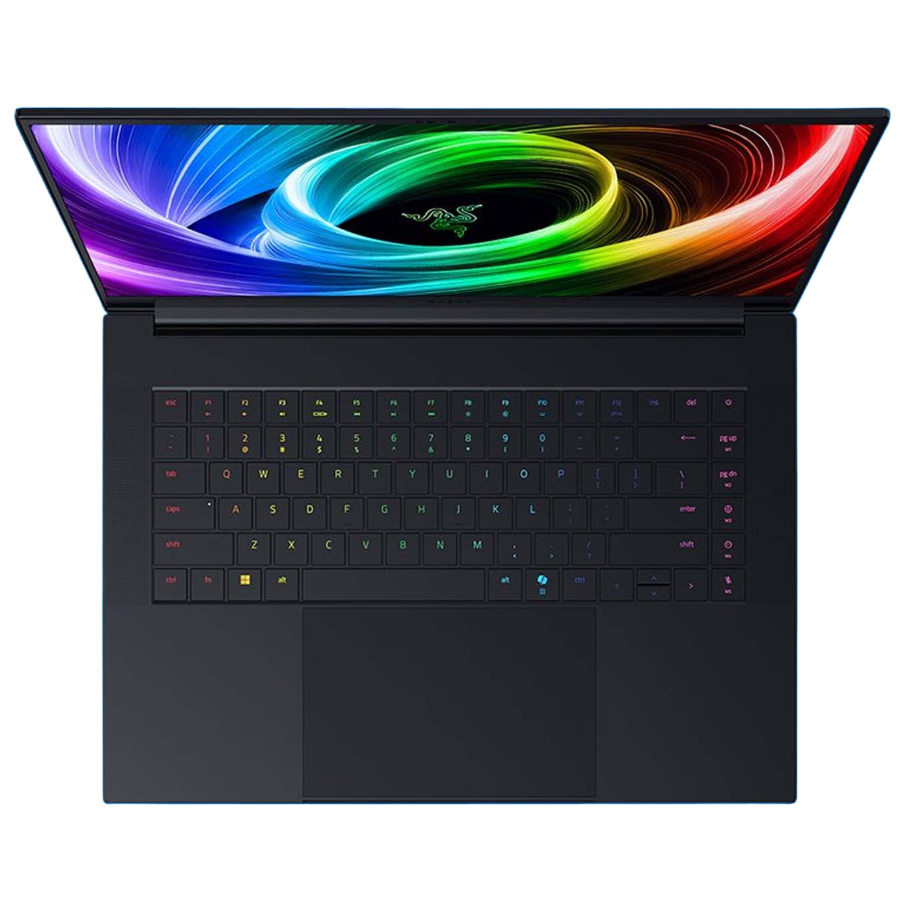
1. Best gaming laptop: Razer Blade 16
2. Best gaming PC: HP Omen 35L
3. Best handheld gaming PC: Lenovo Legion Go S SteamOS ed.
4. Best mini PC: Minisforum AtomMan G7 PT
5. Best VR headset: Meta Quest 3
👉

Jeremy has been writing about technology and PCs since the 90nm Netburst era (Google it!) and enjoys nothing more than a serious dissertation on the finer points of monitor input lag and overshoot followed by a forensic examination of advanced lithography. Or maybe he just likes machines that go “ping!” He also has a thing for tennis and cars.
You must confirm your public display name before commenting
Please logout and then login again, you will then be prompted to enter your display name.