You are now subscribed
Your newsletter sign-up was successful
Want to add more newsletters?

Every Friday
GamesRadar+
Your weekly update on everything you could ever want to know about the games you already love, games we know you're going to love in the near future, and tales from the communities that surround them.

Every Thursday
GTA 6 O'clock
Our special GTA 6 newsletter, with breaking news, insider info, and rumor analysis from the award-winning GTA 6 O'clock experts.

Every Friday
Knowledge
From the creators of Edge: A weekly videogame industry newsletter with analysis from expert writers, guidance from professionals, and insight into what's on the horizon.

Every Thursday
The Setup
Hardware nerds unite, sign up to our free tech newsletter for a weekly digest of the hottest new tech, the latest gadgets on the test bench, and much more.

Every Wednesday
Switch 2 Spotlight
Sign up to our new Switch 2 newsletter, where we bring you the latest talking points on Nintendo's new console each week, bring you up to date on the news, and recommend what games to play.

Every Saturday
The Watchlist
Subscribe for a weekly digest of the movie and TV news that matters, direct to your inbox. From first-look trailers, interviews, reviews and explainers, we've got you covered.

Once a month
SFX
Get sneak previews, exclusive competitions and details of special events each month!
Framework, our favourite maker of modular laptops, has announced the inevitable. It is ramping up prices for its Desktop and Mainboard offerings. When the company increased prices for laptop memory late last year, it managed not to crank up Desktop and Mainboard prices. But no longer.
In an updated blog post, Framework says that memory prices from its suppliers "continue to increase rapidly". Apparently, 128 Gbit chips have been hit hardest by the price spikes. And it's those chips that go into 128 GB configurations. And thus it's the 128 GB option that's been hit hardest.

Back in December, of course, Framework announced a 50% hike in memory prices for its laptops. Currently, when you order a Framework 13 you're looking at $160 for 16 GB in 2x 8 GB format and $320 for 32 GB, again in dual-channel config.
Framework also called out Dell and Apple for gouging customers on memory around the same time, but did at least signal that it, too, would have to increase prices eventually.
Just to add an ominous suffix to the whole affair, Framework does not think the outlook regarding the ongoing RAMpocalypse looks terribly rosy. "The memory outlook as we enter 2026 continues to get worse. From what we learned in meetings throughout the week at CES with suppliers, distributors, and partners, it’s clear that this is going to be a challenging year and possibly even years for consumers," the company said.
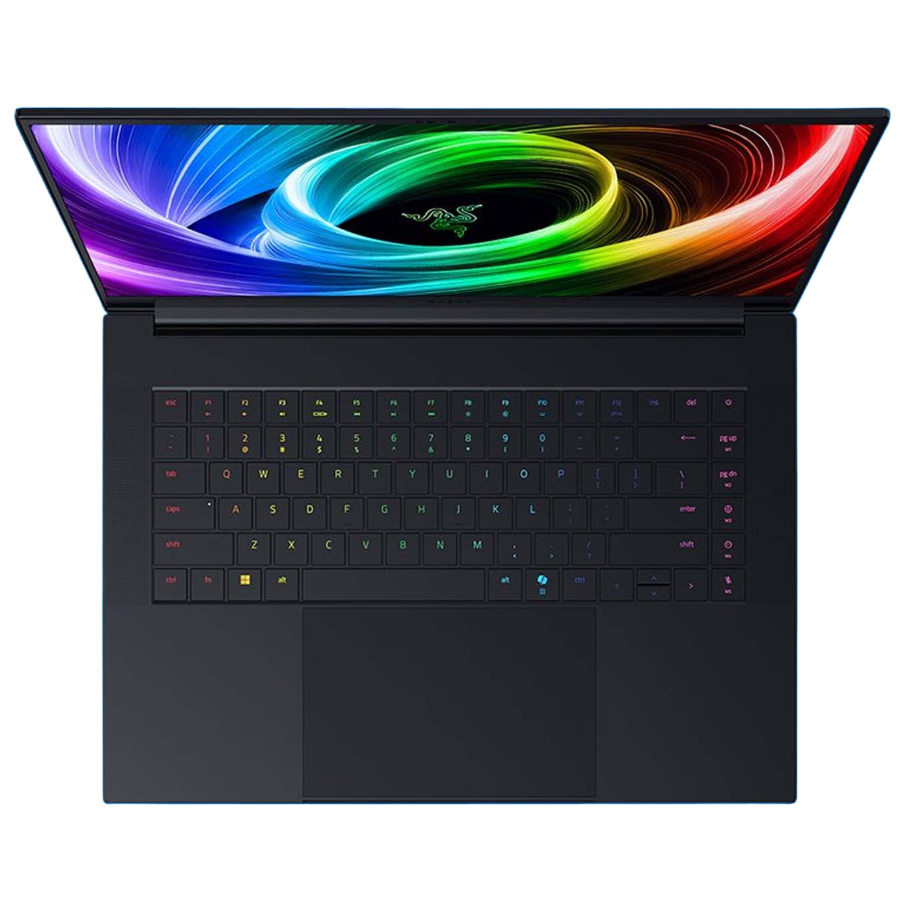
1. Best gaming laptop: Razer Blade 16
2. Best gaming PC: HP Omen 35L
3. Best handheld gaming PC: Lenovo Legion Go S SteamOS ed.
4. Best mini PC: Minisforum AtomMan G7 PT
5. Best VR headset: Meta Quest 3

You must confirm your public display name before commenting
Please logout and then login again, you will then be prompted to enter your display name.