Keep up to date with the most important stories and the best deals, as picked by the PC Gamer team.
You are now subscribed
Your newsletter sign-up was successful
Want to add more newsletters?
An account already exists for this email address, please log in.
Subscribe to our newsletter
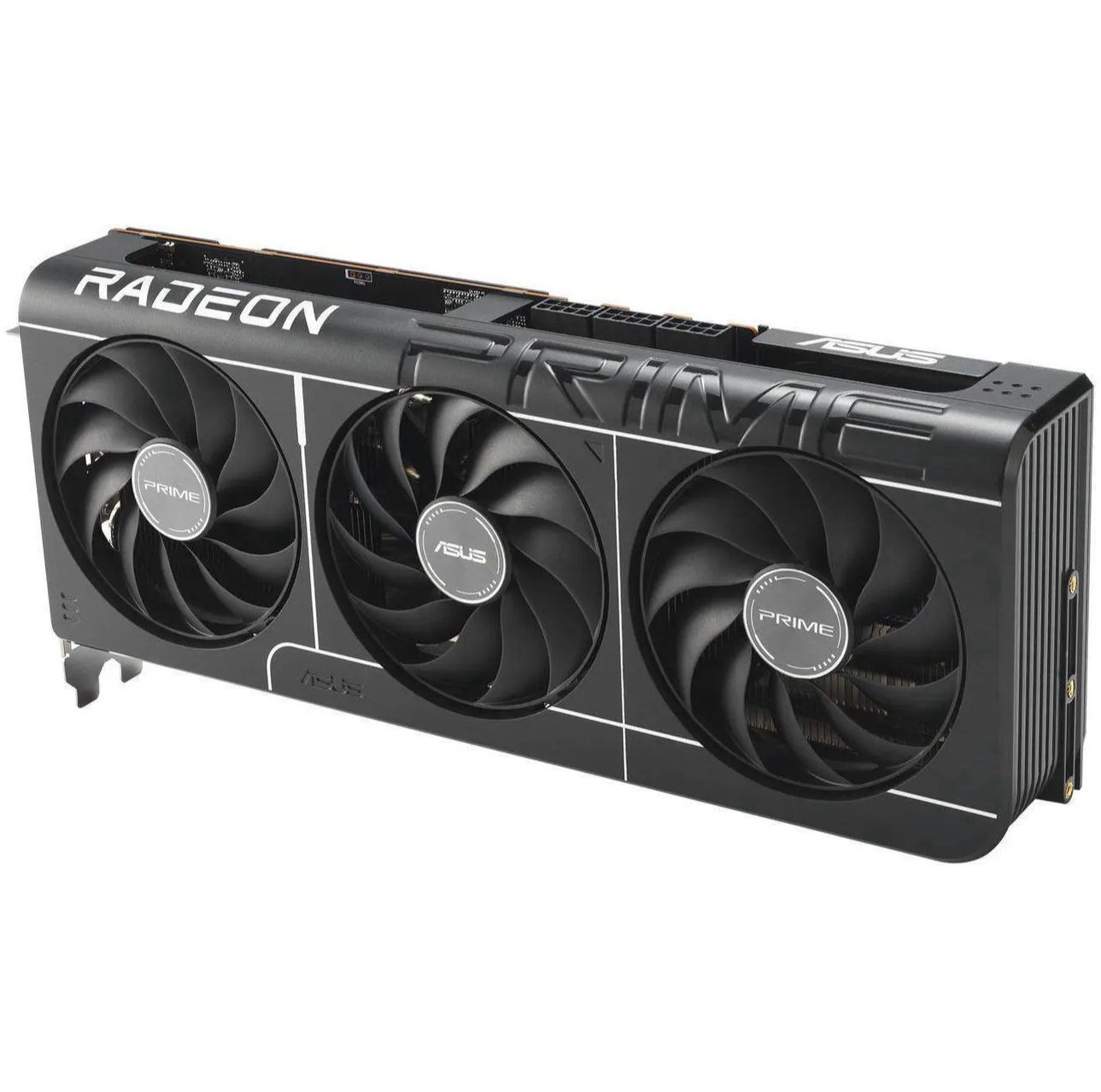
Website XDA claims that the Intel Arc B770 graphics card is dead, a casualty of "financial viability." In other words, with memory chips now so expensive, launching a new 16 GB GPU at anything resembling a reasonable price isn't a goer.
Specifically, XDA says that Intel has "pulled the plug on the Arc B770 due to a lack of financial viability." The website goes on to explain that, "Intel no longer believes the project would be a worthwhile use of its resources. Considering the unprecedented rise in memory costs, and the added investments in validation, marketing, distribution, and driver maintenance, it's hard to disagree."
In a normal pre-AI-boom world, it could have been intriguing alternative to the 12 GB Nvidia RTX 5070. In a best case scenario, it might have got close to the 5070 on immediate performance, but also offered a little bit more longevity for future games with that larger 16 GB frame buffer.
If that was indeed the plan, it's not hard to see why Intel might decide to can the whole idea. What with the market for memory chips going absolutely bananas, any hope for a new graphics card with 16 GB that competes substantially on price really doesn't seem viable.
The memory crisis is surely an even bigger problem for Intel than Nvidia or even AMD. It's a relative newcomer to the GPU market and it must be harder for Intel to ride the storm out. It can hardly sit on the Arc B770 until, most likely, at least well into 2027 and probably 2028 for memory prices to normalise.
Indeed, the entire gaming graphics division at Intel must be in a very tough position. Intel is very much in a comeback phase following a decade or more of missteps, but it is not in big spending mode. And it's a big ask to keep investing in the Arc graphics project while we all wait for a viable opportunity to launch new GPUs years from now.
The biggest gaming news, reviews and hardware deals
Keep up to date with the most important stories and the best deals, as picked by the PC Gamer team.
Ironically, that same memory crisis also explains why, as we reported recently, Intel may be planning to release a professional card based on the same G31 Battelmage-generation GPU but with 32 GB of memory and branded B70 Pro. Yup, 32 GB.
The thing about the professional GPU market is there's more scope for competing on price. Any existing card with a buffer even approaching 32 GB already costs absolute megabucks. So, there's more space for Intel to squeeze into.
That's especially true, perhaps, for AI workloads where outright performance may be less critical or at least equally as important as outright performance. So, an Intel G31 card with 32 GB might be very appealing if it's priced well below an Nvidia alternative with the same or even less memory.
Nvidia's RTX Pro 4500 costs around $2,500 (and no doubt rising) with 32 GB of memory, a price Intel can probably beat. (Image credit: Nvidia)
Take for, instance, the Nvidia RTX Pro 4500. That's based on the same GPU as an RTX 5080 gaming card, but costs about $2,500 with 32 GB of memory. Intel could come in at, say, $1,500 with the B70 Pro offering the same memory space for running local AI models, acceptable performance and a $1,000 saving.
Then there's the new deal between Intel and Nvidia to factor in, which will see the latter make iGPU dies to insert into Intel CPUs packages. That hardly bodes well for performance Intel Arc GPUs.
Still, if there is any hope at all for future Arc gaming cards, it's surely that B70 Pro card and any other professional GPUs Intel makes. If they're financially viable, if Intel can turn a profit out of those cards, maybe the numbers can be made to add up for future gaming cards based on essentially the same silicon. If it's big if, it's a huge ask, but here's hoping.
Jeremy has been writing about technology and PCs since the 90nm Netburst era (Google it!) and enjoys nothing more than a serious dissertation on the finer points of monitor input lag and overshoot followed by a forensic examination of advanced lithography. Or maybe he just likes machines that go “ping!” He also has a thing for tennis and cars.
You must confirm your public display name before commenting
Please logout and then login again, you will then be prompted to enter your display name.