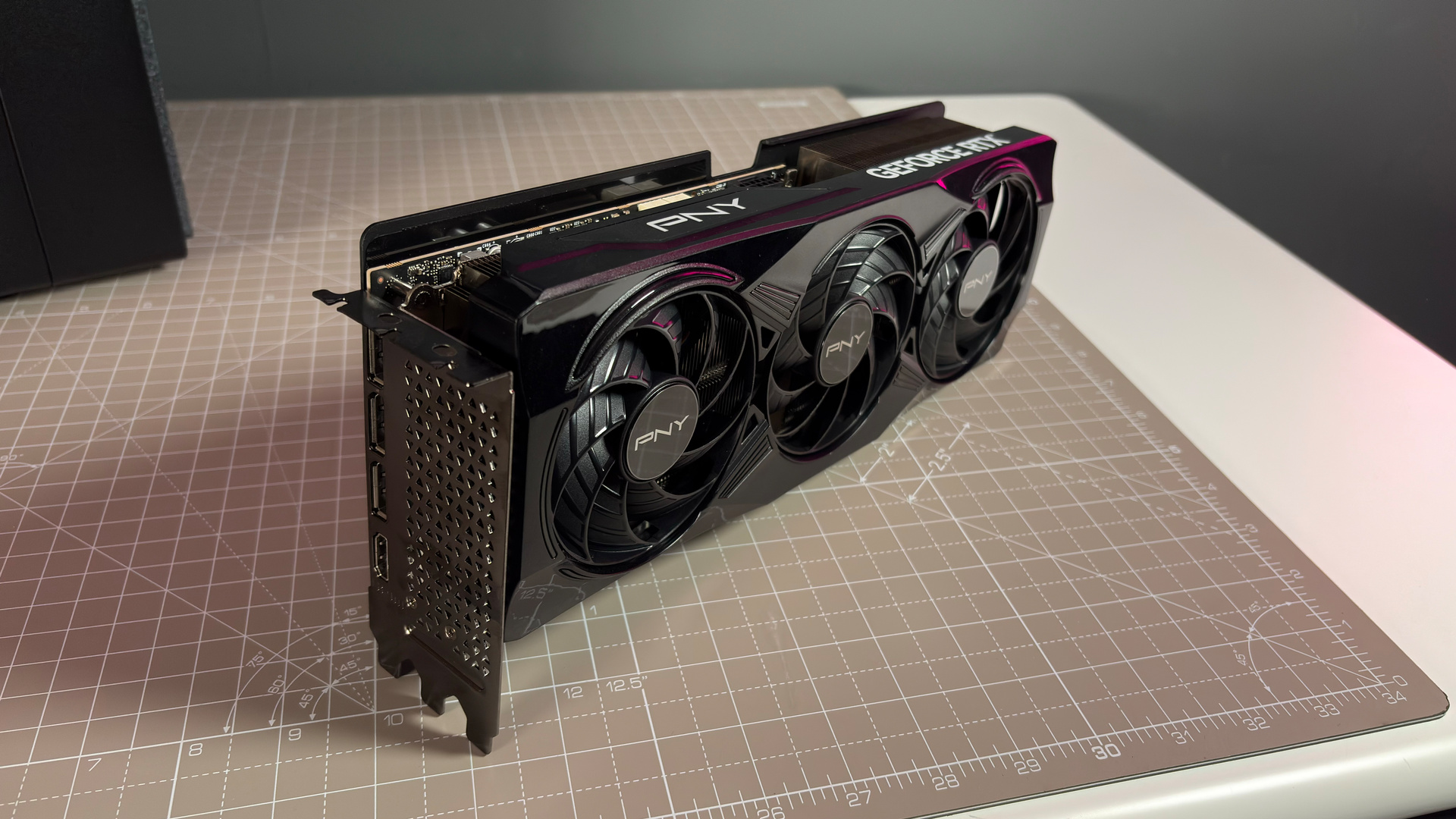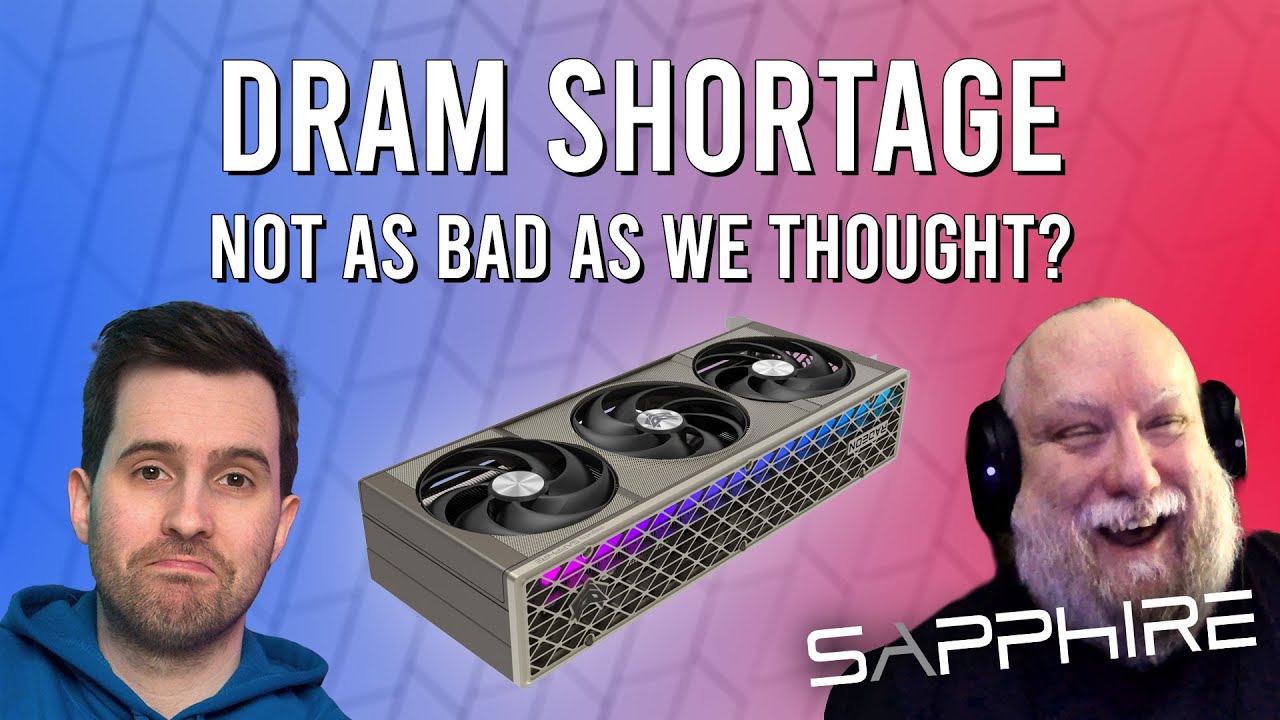
Pick any third-party graphics card manufacturer and visit its website. If you browse through all the models it produces, you'll notice something very quickly: they're all very similar to each other. Some of the reasons behind this are all to do with saving manufacturing costs, but according to one company's PR representative, it turns out that the GPU makers themselves are pretty conservative about what can and can't be done.
While discussing VRAM and who gets to decide how much a card can have, Crisler said with a smile: "I got to be careful of what I'm about to say here. I'm going to get in trouble." And that's when he opened the secret book of graphics card making that many folks have never had the pleasure of reading.
Article continues below"Sometimes I really wish the chip makers would get out of the way and let us partners just make our cards. Give us the chip. Give us the RAM. Tell us what we have to provide to make it work with the board. And then let us make the cards. Let us have our fun. Let us go nuts. Let there be real differentiation. Sometimes it feels like this market becomes too much the same."
Schiesser then asked Crisler if he was referring to things like overclocking limits and profiles with graphics cards. Sapphire's rep clarified his point: "Right now, quite frankly, if you're going to buy a new video card, I tell people don't look at performance. Performance is irrelevant. So, if you want to buy a 9070 XT, let's face it, from the worst 9070 XT to the best 9070 XT, [the] actual performance difference is a delta of 1.5%, 2%. It really is non-existent. It's margin of error."
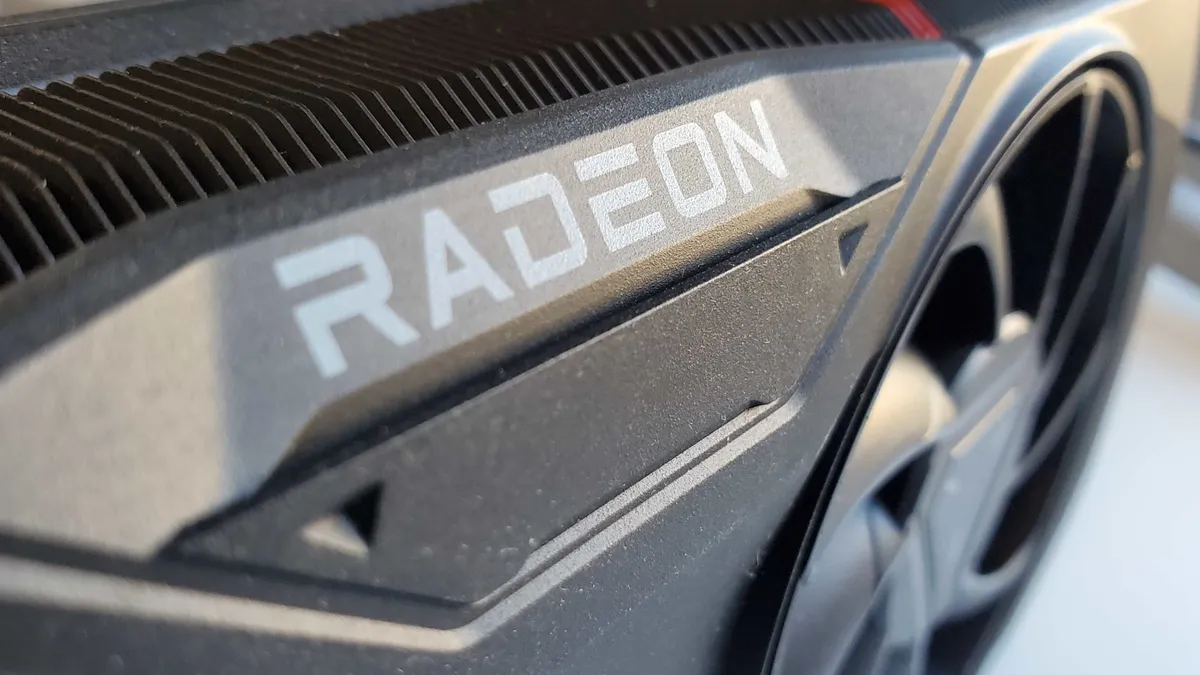
He's not wrong, of course, as even the most overclocked of 'OC edition' graphics cards are barely any faster than stock models. Although Crisler doesn't explicitly say this, what he's essentially suggesting is that these narrow ranges of clock speeds aren't something that Sapphire has settled on, but it's a constraint set by AMD.
That leaves third-party companies to try and stand out from the crowd by focusing on the elements that they can change a lot. "We [Sapphire] look at PCB design. We're always exploring the PCB design. We're always exploring the cooler design. We try to go for quiet operation," said Crisler.
But even these aren't much of a differentiator if the end products don't run any faster or more efficiently than the competition. Crisler said that aspects such as the cooler, VRMs, and customer support are all important, more so than outright performance, but they're hard for reviewers to quantify.
In fairness to AMD, it wants consistency behind any product carrying its name and chips. It wouldn't help the reputation of Radeon if one company's RDNA 4 cards were massively faster than anyone else's but also much hotter, noisier, and less stable. But at the same time, it also means that no matter whether you buy a Sapphire, XFX, or PowerColor Radeon graphics card, they're all so similar that you just might as well buy the cheapest one around.
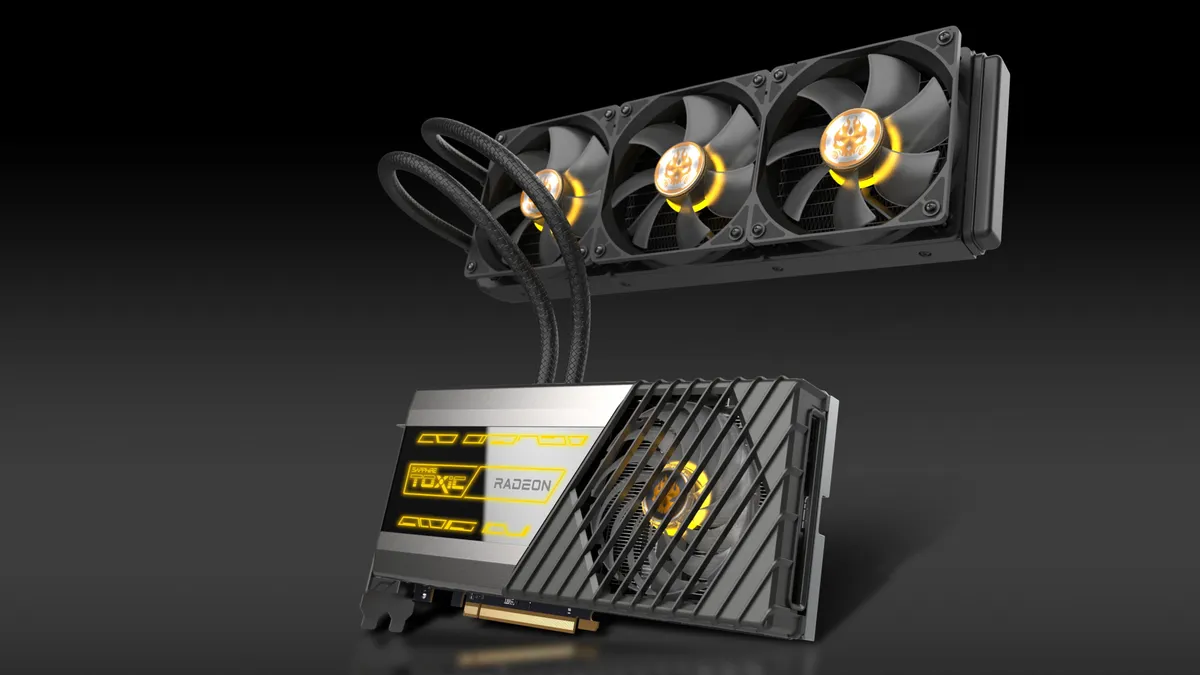
And given that profit margins on most graphics cards under $600 are pretty small, there's just no room to do anything wildly different. Couple this with the design restrictions from the GPU manufacturers, and you have the perfect recipe for beige-bland tapioca pudding. Sorry, graphics cards.
Anyway, the whole interview is really worth watching, as neither Tim Schiesser nor Edward Crisler shied away from difficult/awkward topics. For example, Sapphire's PR said an emphatic "No!" when asked whether AMD's market share figures are accurate, and the rest of his comments on the matter make for interesting viewing.
As someone who has interviewed countless tech reps over the years, it's refreshing to hear someone just be open and honest in this way. Interviews like this actually help a brand's reputation, and I suspect more than one person will be seriously considering a Sapphire Radeon as their next graphics card upgrade.
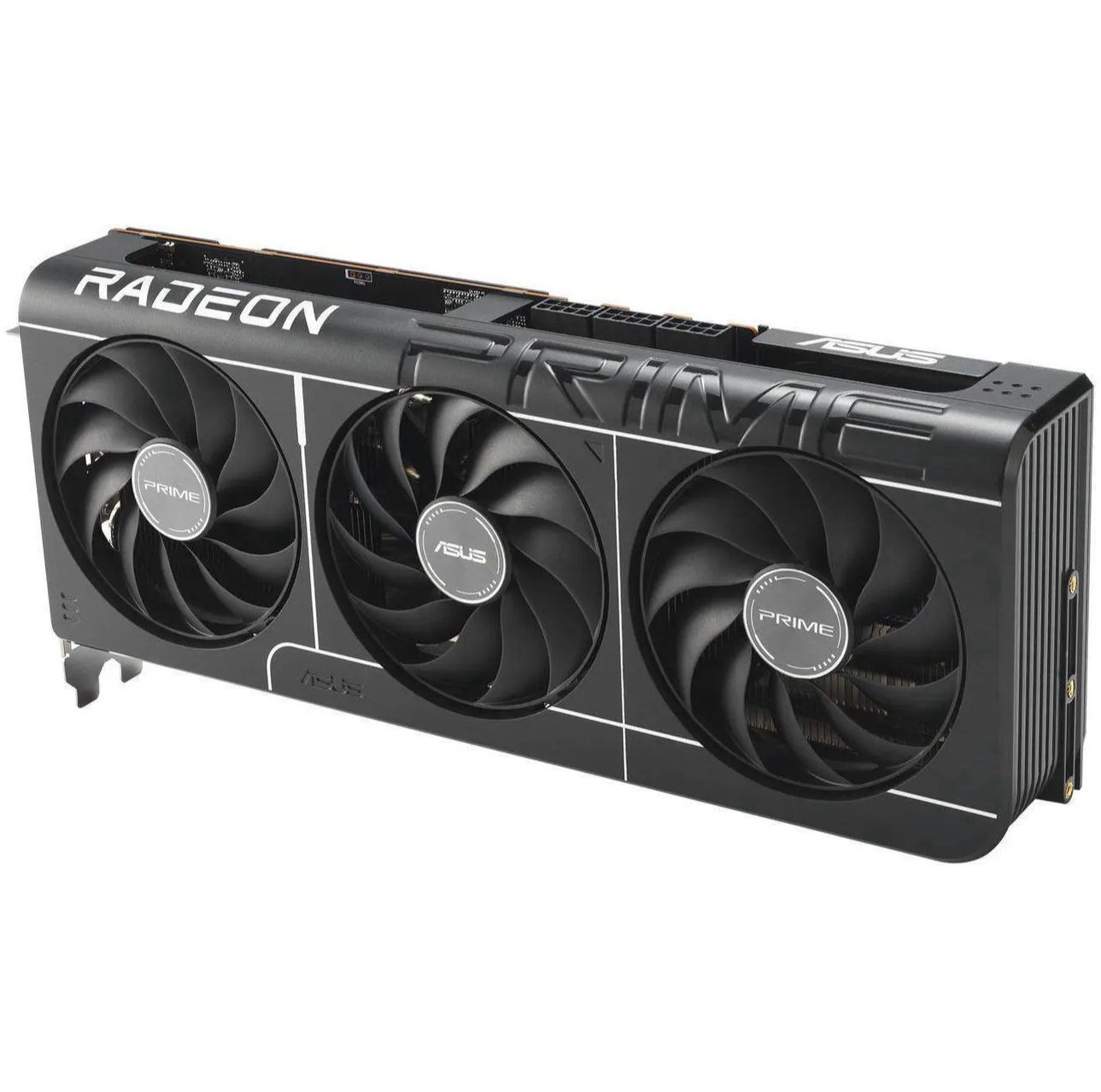
1. Best overall: AMD Radeon RX 9070
2. Best value: AMD Radeon RX 9060 XT 16 GB
3. Best budget: Intel Arc B570
4. Best mid-range: Nvidia GeForce RTX 5070 Ti
5. Best high-end: Nvidia GeForce RTX 5090

You must confirm your public display name before commenting
Please logout and then login again, you will then be prompted to enter your display name.