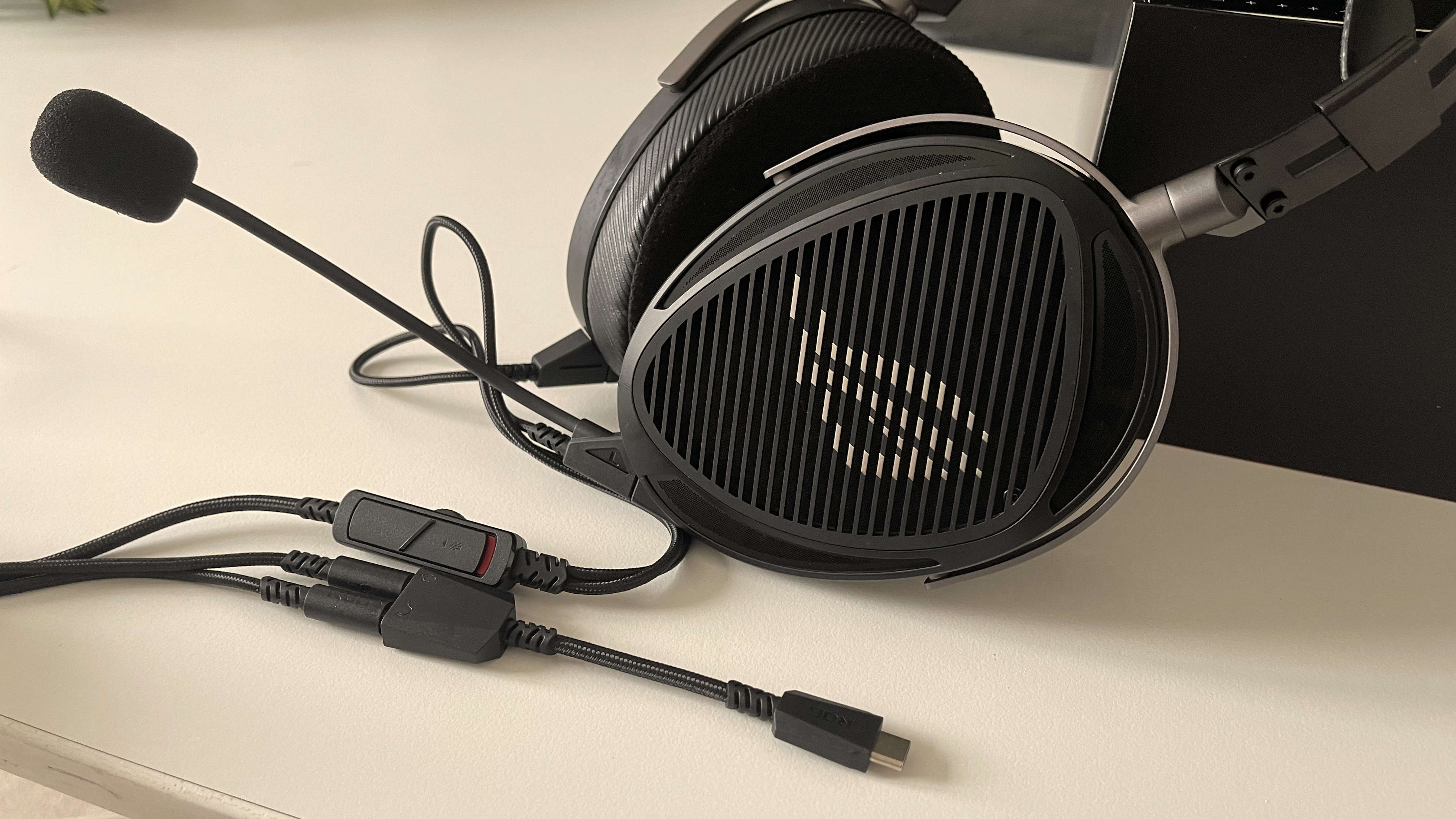
For investors and fans of Corsair, its latest financial statement, covering the whole of 2025, is packed full of mostly positive news. With revenues and profits both significantly up, it would seem that while the rest of the PC industry is feeling all gloom and doom, Corsair has sailed through these uncertain seas with ease, especially when it comes to computer memory.
That's because it reckons it has managed to "successfully navigate a constrained global semiconductor market to secure supply for the robust global demand we saw for our memory products during the quarter, underlining our leadership position in the performance memory market."
Article continues below 
For the whole of 2025, Corsair's peripherals division pulled in a revenue of $472 million for a gross profit of $192 million, up 4% and 6% from 2024, respectively. However, the components sector had a much happier time of things, with a net revenue of $980 million, and a gross profit of nearly $232 million.
While that revenue was only 16% better than in 2024, the gross profit was an enormous 60% higher. And more importantly, for the final quarter of 2025, Corsair's components and systems gross profits were 86% better than the previous year.
In other words, something specific happened in the final three months of last year that meant Corsair was making absolute bank on its PC hardware products. Combined with the pretty decent increase in revenue, it's clear that Corsair is selling something at a high price, but only paying a low price for the parts and manufacturing.
While I can't be 100% sure about this, I strongly suspect that its memory sales are the significant factor here. That's because Corsair sells so much of it that it would have a decent inventory of DRAM chips lined up for use, long before the rampant memory price hikes took hold, which means while the prices for its DDR5 sticks have gone through the roof, the cost of making them hasn't.
Take this 32 GB DDR5-6000 Vengeance kit as an example. You'll need to give Amazon the princely sum of $412 to stick it into your gaming PC. Just six months ago (i.e two quarters past), it cost just $101—a 308% increase. It's surely not a pure coincidence that Corsair's gaming components profits leapt in size just as DRAM prices went through the roof.

Now, I hasten to add that Corsair isn't the only memory vendor to massively increase its prices, because they all have. It's just that we don't normally get to see a breakdown of profit margins for most of them, as relatively few DRAM suppliers are based in the US.
Anyway, for all the money that memory seems to be making for Corsair right now, it still made a loss in 2025, despite raking in $1.47 billion. It comes down to a couple of things: a high cost of revenue ($1.05 billion) and high operating expenses ($423 million). Combine them, and it's not hard to see why Corsair reported a loss of $16 million for the year's end.
Corsair says that, "For the first quarter and full year 2026, we expect revenue to be down about 5% year-over-year at the assumed midpoint of our guided ranges, with expected double-digit growth in our Gamer and Creator Peripherals segment, offset by a more cautious outlook for Gaming Components and Systems, driven by the ongoing global semiconductor shortages."
So if it's forecasting a reduction in revenue, I wouldn't be surprised to read of job losses at some point in 2026 or perhaps 2027, if the company hopes to avoid another year like this one. Especially since it also notes that it will "continue to deploy our capital to maximize shareholder returns, as we focus on margin expansion, cost discipline, and tighter working capital management to improve cashflow across the business."
I bet it will still be earning big on its memory sticks, though.
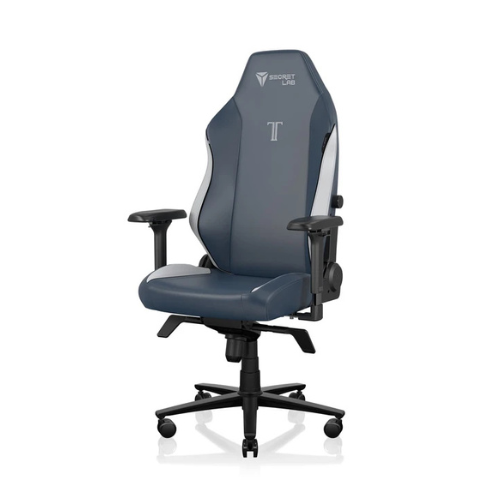
1. Best gaming chair: Secretlab Titan Evo
2. Best gaming desk: Secretlab Magnus Pro XL
3. Best gaming headset: Razer BlackShark V3
4. Best gaming keyboard: Asus ROG Strix Scope II 96 Wireless
5. Best gaming mouse: Razer DeathAdder V4 Pro
6. Best PC controller: GameSir G7 Pro
7. Best steering wheel: Logitech G Pro Racing Wheel
8. Best microphone: Shure MV6 USB Gaming Microphone
9. Best webcam: Elgato Facecam MK.2

You must confirm your public display name before commenting
Please logout and then login again, you will then be prompted to enter your display name.