Join The Club





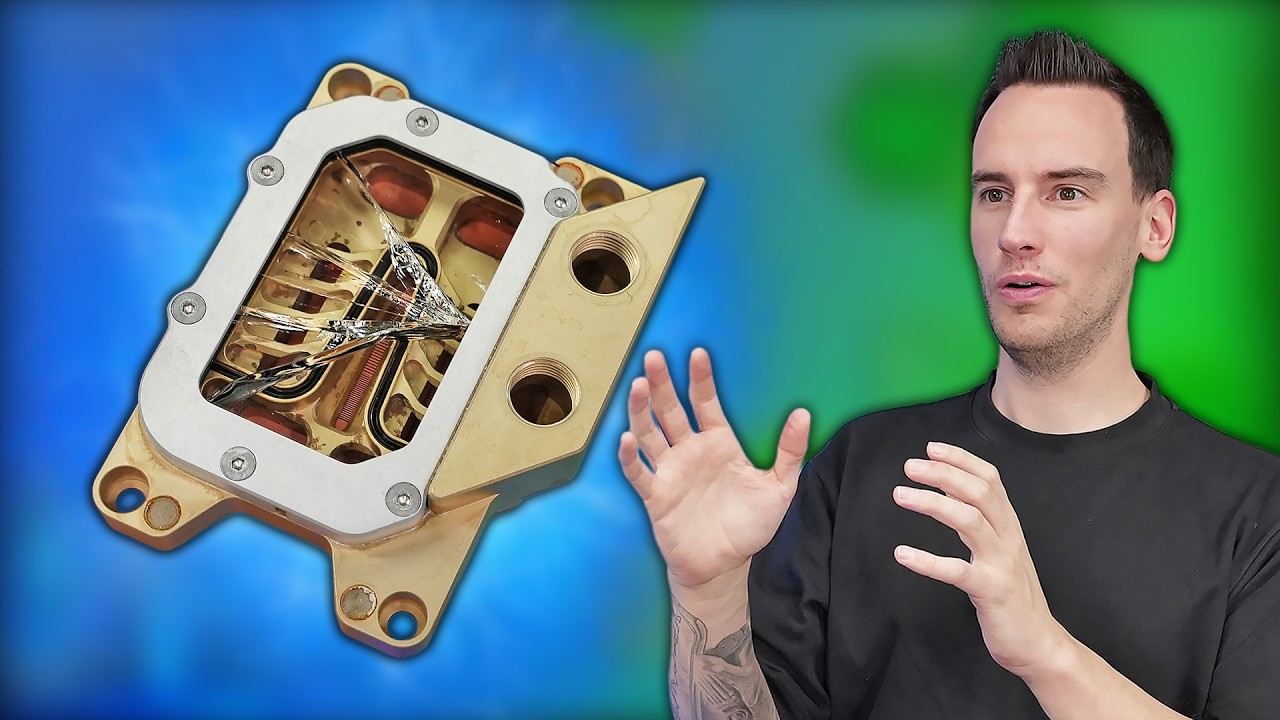
YouTuber, extreme overclocker, and Thermal Grizzly CEO Der8auer has been keeping themselves busy of late, testing the pressure resistance of water block cooling windows. Traditionally, these are made of a durable acrylic that can easily withstand far more pressure than a conventional liquid cooling system can provide, but Thermal Grizzly has been experimenting with glass windowed versions.
Both acrylic and glass windowed blocks were placed inside a grey plastic crate, submerged in water, and then pumped to within an inch of their lives to see what sort of internal pressure they could withstand before cracking into pretty (but useless) patterns.
Article continues belowDer8auer explains that the test could also be performed in the open air, but risks an explosion of glass/acrylic that would be... well, bad news for everyone involved.
First up was a traditional GPU water block with a PMMA (acrylic) window. Attached to a pump mechanism and submerged safely below the surface, the block was filled with water with the opposing plug open, so as to force out any air bubbles. Once the water block was plugged, creating a closed system, an extra piece of acrylic was placed on top of the tank to prevent any unforeseen accidents.

Ramping up the pressure, the acrylic window cracked between eight to nine bars of pressure, although did not burst into fragments. This is way beyond the pressure a normal water cooling block would reach under usual usage, and rather impressively, the acrylic was able to be removed in a single piece.
As the camera wasn't on the block at the exact time it failed, Der8auer repeated the experiment, and this time cracked a corner of the window at nine bars of pressure.
Switching over to a glass-windowed version, the test was performed with the same methodology once more. The glass shattered in a much more densely-cracked pattern at around five bars of pressure. This was an expected result, as acrylic is a much more flexible and pressure-resistant material than glass, which is more brittle.
Finally, a CPU water block with a much smaller glass window was subjected to the torture test. This managed an impressive 10 bars of pressure before failure.
Your average water cooling block is subjected to far less than 0.5 bars of pressure under load, so a five bar fracturing result is still more than good enough by most standards. And, as der8auer points out, at these sorts of pressures, it's far more likely that a hose, pump, or clamp would fail before the windows did, glass or otherwise.
"Honestly, we're just also having a lot of fun playing around with these things. I absolutely enjoy that," says Der8auer. No kidding. Can I get an invite to the next "blowing hardware up" party, please? I'll bring snacks, I promise.
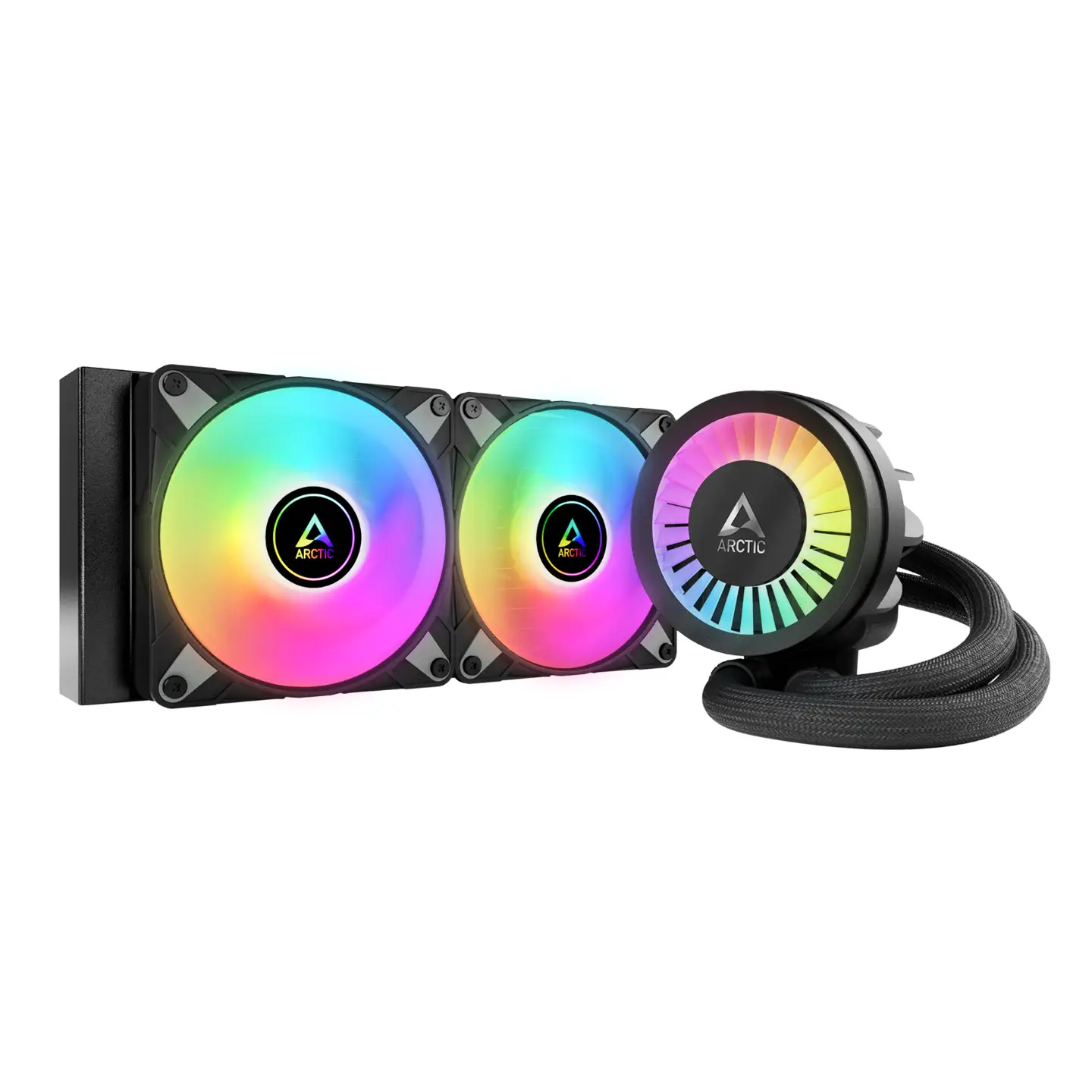
1. Best AIO:
Arctic Liquid Freezer III Pro
2. Best budget AIO:
Cooler Master MasterLiquid Core II
3. Best high-end AIO:
Be Quiet! Light Loop
4. Best screen:
NZXT Kraken Elite RGB (2024)
5. Best stealth:
Corsair Nautilus RS

You must confirm your public display name before commenting
Please logout and then login again, you will then be prompted to enter your display name.