





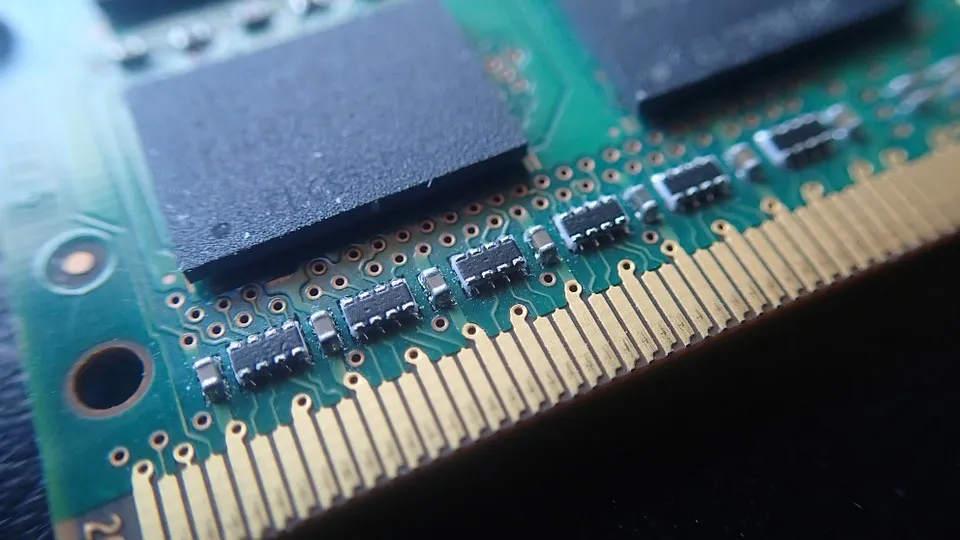
After all these years, we are still not at the point where our PCs turn on instantaneously, or restore an active session in Windows. Waking from sleep or hibernation can take anywhere from a short while to what feels like an eternity, depending on the system. Part of the reason for is because of the PC's reliance on DRAM, and how it works. Good news though—researchers at the University of Lancaster in the UK have created a type of non-volatile memory that could one day make instant-on PCs a reality.
They're calling it UK III-V memory. Non-volatile memory is not new by any stretch, but the key differentiator here is speed. UK III-V memory is fast enough to replace DRAM, and uses a fraction of the power.
To understand why this matters, it's important to know what DRAM is, and how it benefits a PC. DRAM, or dynamic random access memory, is the stuff you jam into your motherboard's DIMM slots. It's often referred to simply as RAM. For a gaming PC, 16GB of RAM is the sweet spot.
RAM is incredibly fast compared to other forms of memory, including the flash-based storage found in even the speediest consumer SSDs. But that performance comes at a cost. RAM is volatile, meaning it does not retain data when it is not being fed power. When you shut down your PC, any data that was loaded into RAM gets flushed, and you end up booting to a clean state.
Putting your PC to sleep offers an end-around to shutting down your system. It's essentially a low power mode that keeps a small amount of juice flowing to the RAM, which in turn retains its contents. When your PC wakes from sleep, your open documents and everything else is as you left it. Hibernation is similar, except it writes the contents of your PC's current state to the hard drive so it can shut off, and then restores everything in similar (albeit slower) fashion.
Both are serviceable alternatives to shutting down your PC (as is just leaving it on all the time), but they're not perfect. Sleep mode can be buggy. I've pulled my fair share of hair over the years from having my PC refuse to wake up properly from sleep mode, and it sucks when that happens.
This is what makes UK III-V memory so intriguing. It's a non-volatile type of memory, so it retains your PC's contents when there is no power. Just as importantly, it operates fast enough to be a viable replacement for today's DRAM.
Electronics Weekly (as spotted by our friends at Toms Hardware) posted some details of the tech, though fair warning, a degree in technobabble would come in handy for parsing the information. The gist of it is, UK III-V memory is both non-volatile and extremely power efficient. It uses around 1 percent of the energy that today's DRAM and NAND flash memory require to write data.
On the technical side, UK III-V memory uses a floating gate to store memory just like flash. However, instead of using oxide isolation, indium arsenide and aluminum antimonide materials enable "near-perfect" isolation between the floating gate and the control gate.
If that makes any sort of sense to you, hit up the article for a bunch more technical details. Everyone else can sit back and hope this leads to a real replacement for DRAM.

