 Join The Club





The sudden collapse of Telltale Games took most by surprise, including its own employees. In a snap of the finger, the storyteller became a shell of its former self, leaving fans in the lurch, and its employees scrabbling for work on Twitter.

Given the success of games like The Walking Dead and the high-profile licenses that followed it—Minecraft, Batman and Game of Thrones in particular—it’s hard to remember that Telltale originally started as a very small fish in an admittedly relatively empty barrel. Adventure games weren’t dead—they never have been—but they were certainly on the outs after LucasArts canned planned games like Full Throttle 2 and Sam & Max 2 in the interests of making more terrible Star Wars prequel games.
Article continues belowTelltale started out with a series based on the Bone comics and the basically forgotten CSI: 3 Dimensions of Murder and Texas Hold’Em, but it was with Sam & Max that they really shot to the world’s attention. Former LucasArts staff, including names like Day of the Tentacle creator Dave Grossman, starting a whole new company devoted to adventures? What could possibly go wrong?
At this point, we know most of the answer. In public, Telltale’s output almost immediately suffered as relatively primitive technology was stretched to fit every new license into the same template. Early on, that was the Three Trials structure—intro, three objectives, ending, rinse, repeat. Behind the scenes, reports of crunch and mismanagement tell a tale of a company over-stretching.
The launch of The Walking Dead seemed to herald a new era for the company, in which games would finally be designed around licenses rather than shoved into a template. Sadly, the message the company took from the success was almost the opposite. Memorable elements like "X will remember that" went from a clever gimmick to a tired statement, and too often smoke-and-mirrors presentation hid a lack of real choice.
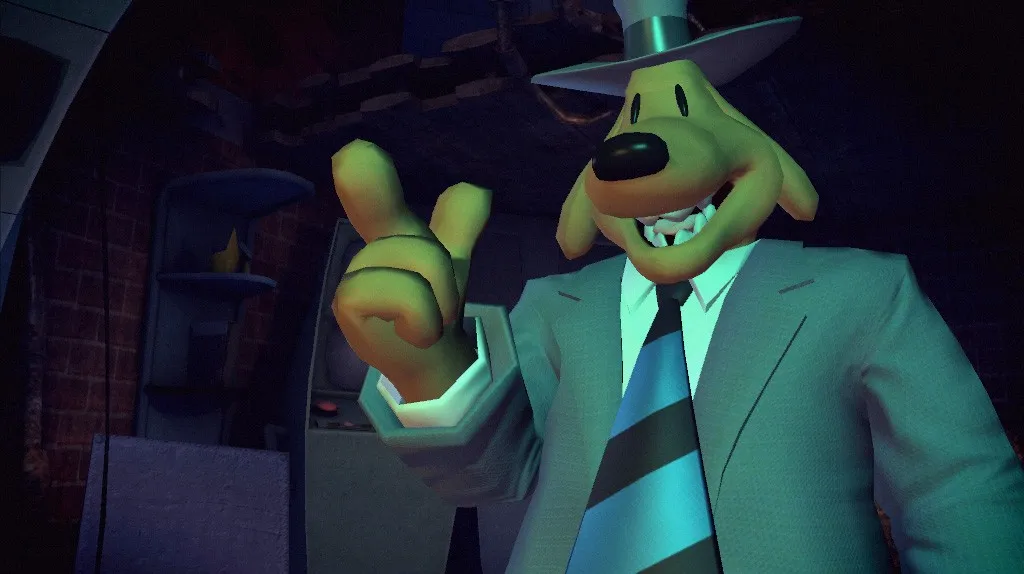
The most frustrating part of this on the outside though was knowing just how much better they could have been. Telltale had incredible talent at its disposal, and it's often overlooked by players and press just as much as it was internally. Sam and Max: The Devil's Playhouse was a superb attempt to break the formula, giving the Freelance Police a grittier world that regularly tried new things, like Sam's noir-laced rampage and an episode where Max has to be the brains of the operation.
Back to the Future, a mostly forgettable series, still had thoughtful design that explored Doc’s past in a way that was both faithful and ambitious, with my favourite scene showing that even a Doc in charge of a dystopian city is still a Doc driven by compassion and loyalty.
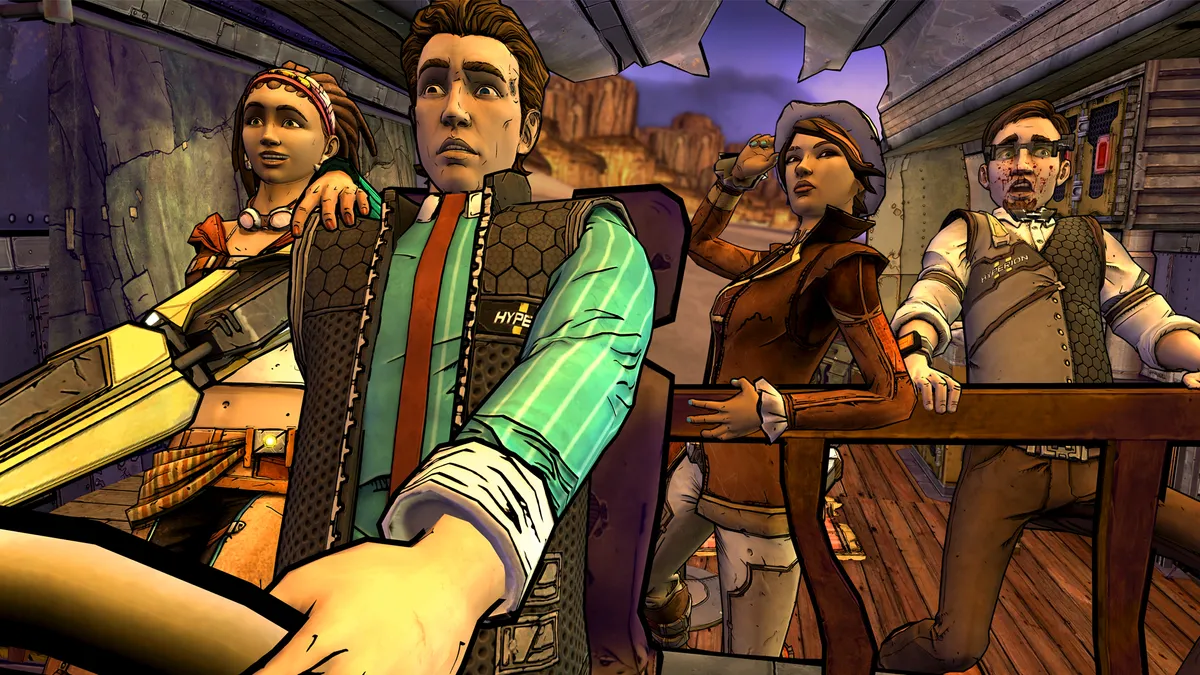
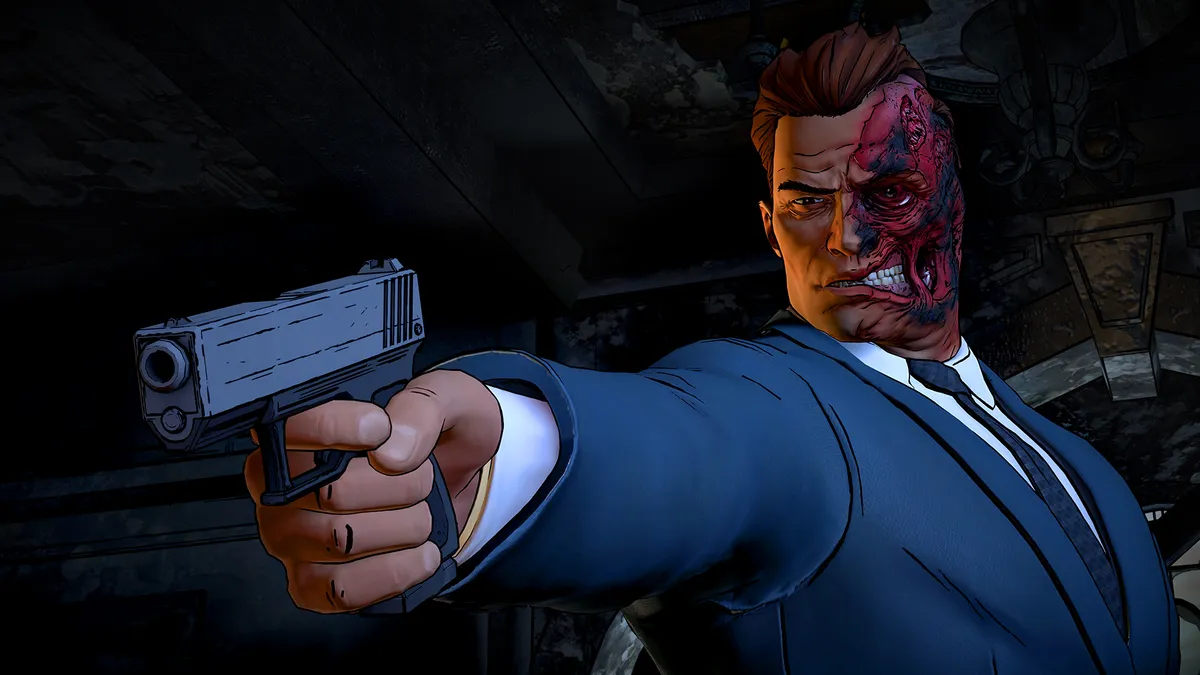
Tales From The Borderlands was an amazing ride, while Batman: The Enemy Within presented us with one of the most fascinating takes on The Joker ever committed to any kind of screen. In what other series or medium would you be playing as Batman, offering Joker tips on romancing Harley Quinn? Never mind doing it while nursing the hope that, just maybe, you could steer him away from crime, even knowing that it’ll all end in tears.
This was Telltale. The music of Jared Emerson-Johnson, the design of people like Jake Rodkin and Sean Vanaman, the acting and writing and cinematography of a whole army of excellent people that frankly the company often didn't deserve.
Now, I’m not saying everything the Telltale touched turned to gold. It didn’t. Jurassic Park in particular is best forgotten. But as with every story, there’s nuance in the telling that deserves to be celebrated. I personally didn’t like Game of Thrones very much, but the opening chapter was majestic—in their most powerful moments, Telltale games put you you in the boots of characters making desperate choices. My favourite scene in The Walking Dead isn't one of the big dramatic ones, but the simple decision of which hungry people to feed, and how it makes you wonder, just for a moment, what you would have done in their place.
There aren’t many Telltale games where I can’t pick out at least a few fantastic moments. Even within the often suffocating templates, pre- and post-The Walking Dead, Telltale’s creative teams repeatedly pushed boundaries and experimented in ways that didn’t get enough credit. Batman, to give just one example, mined new ground by splitting the action between Batman and Bruce Wayne, with a particular focus on Wayne. The series skirted issues of good and evil and instead pressured you with horrible choices about who would get hurt as a result of your actions. The new series of The Walking Dead looked to be taking things in another interesting direction, somewhat like BioShock 2, by having your decisions primarily affect your ward, AJ, instead of the player-controlled Clementine.

A lasting impact
The effect of Telltale on the wider market can’t be ignored. Telltale games showed that adventures have to be dramatic and exciting things, not staid, backward-staring affairs. Telltale games directly inspired Life is Strange and Dreamfall Chapters, and former members went on to create the beloved Firewatch. More than anything else, Telltale proved that adventures weren’t simply alive and well, but that they could reach a mainstream and hardcore audience on any platform. They didn’t save adventure games, because adventures didn’t need saving, but they damn well gave them a much needed shot of adrenaline to the proverbial genre-buttocks.
Still, the true legacy of Telltale deserves to be something else. Whatever its sins, and however poor many of its corporate decisions have been, we should remember it not as some anonymous gestalt, but for the work of an army of writers, artists, developers and more who cranked out often amazing stuff in very difficult situations. We can only hope that as many of them as possible find new positions in the games industry and continue to knock out those jams, hopefully in rather more comfort and on a less demanding schedule. There aren’t many companies that have touched so many people with their stories, and taken us on such exciting, funny, and occasionally heartbreaking adventures.
We will remember that.

