

IBM's AI assisted SSD gives the middle finger to ransomware attackers
A glimpse at the future of storage security.
Keep up to date with the most important stories and the best deals, as picked by the PC Gamer team.
You are now subscribed
Your newsletter sign-up was successful
Want to add more newsletters?
Every Friday
GamesRadar+
Your weekly update on everything you could ever want to know about the games you already love, games we know you're going to love in the near future, and tales from the communities that surround them.
Every Thursday
GTA 6 O'clock
Our special GTA 6 newsletter, with breaking news, insider info, and rumor analysis from the award-winning GTA 6 O'clock experts.
Every Friday
Knowledge
From the creators of Edge: A weekly videogame industry newsletter with analysis from expert writers, guidance from professionals, and insight into what's on the horizon.
Every Thursday
The Setup
Hardware nerds unite, sign up to our free tech newsletter for a weekly digest of the hottest new tech, the latest gadgets on the test bench, and much more.
Every Wednesday
Switch 2 Spotlight
Sign up to our new Switch 2 newsletter, where we bring you the latest talking points on Nintendo's new console each week, bring you up to date on the news, and recommend what games to play.
Every Saturday
The Watchlist
Subscribe for a weekly digest of the movie and TV news that matters, direct to your inbox. From first-look trailers, interviews, reviews and explainers, we've got you covered.
Once a month
SFX
Get sneak previews, exclusive competitions and details of special events each month!
IBM has developed an AI assisted storage security technology that can intercept and disable ransomware. It's been integrated into IBM's enterprise tier FlashCore modules. The simple explanation is that it is able to scan all I/O data in real time, and halt unauthorized encryption operations before they have a chance to do damage.
IBM detailed the technology in a blog post (H/T Tom's Hardware). The blog begins by talking about the concern companies have regarding ransomware, referencing a report that says 89% of organizations place ransomware in the top five threats to their viability. As in, not something for the IT department guys to fix over coffee and a chat.
IBM explains the technology best, saying: "IBM Storage Defender includes AI-powered sensors developed by IBM Research that are engineered to rapidly detect ransomware and other advanced threats with high accuracy. Defender raises high fidelity alerts to security tools to reduce the security breach blast radius and help enterprises recover from attacks."
Using AI to detect ransomware attacks is a fantastic idea. Malicious code execution is difficult to intercept, but in the case of ransomware, it takes time to encrypt data. It can range from minutes to hours, giving a window of opportunity to intercept an attack before it becomes critical.
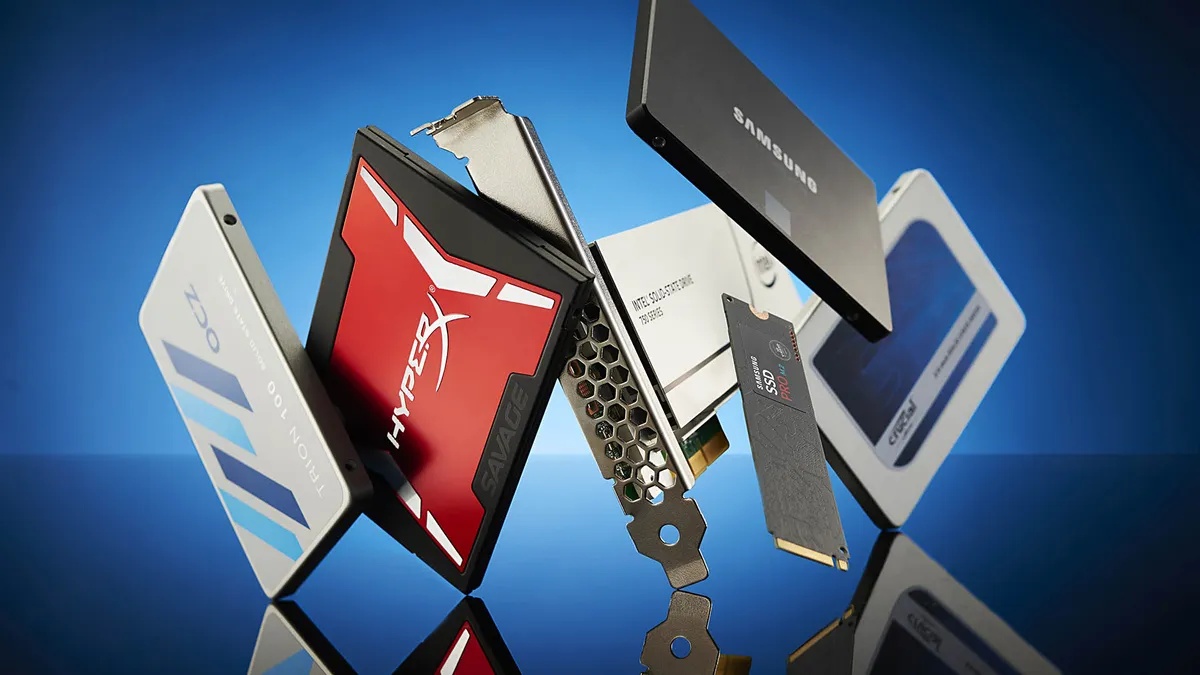
Best SSD for gaming: The best speedy storage today.
Best NVMe SSD: Compact M.2 drives.
Best external hard drives: Huge capacities for less.
Best external SSDs: Plug-in storage upgrades.
IBM's solution is aimed at deep pocketed and very security conscious enterprise customers. It'll be some time before we see consumer level products with this kind of functionality, but with current and next generation CPUs shipping with dedicated AI hardware, this could be something that comes in one form or another to consumer PCs in the years ahead.
The thought of AI SSD's initially made me roll my eyes, but this is one I can get behind. Being cynical of AI hype is one thing, but outright hatred of dodgy ransomware attackers and scammers is quite something else.
Ransomware is a global threat. Even in our little gaming corner of the world, major companies like Bandai Namco, Sony and Capcom have all been affected. Even the king of AI, Nvidia, is not immune. Anything that stops ransomware in its tracks is worthy of celebration.
Keep up to date with the most important stories and the best deals, as picked by the PC Gamer team.

Chris' gaming experiences go back to the mid-nineties when he conned his parents into buying an 'educational PC' that was conveniently overpowered to play Doom and Tie Fighter. He developed a love of extreme overclocking that destroyed his savings despite the cheaper hardware on offer via his job at a PC store. To afford more LN2 he began moonlighting as a reviewer for VR-Zone before jumping the fence to work for MSI Australia. Since then, he's gone back to journalism, enthusiastically reviewing the latest and greatest components for PC & Tech Authority, PC Powerplay and currently Australian Personal Computer magazine and PC Gamer. Chris still puts far too many hours into Borderlands 3, always striving to become a more efficient killer.

