G.Skill to pay out $2.4 million in class action settlement over 'deceptive' RAM specifications but denies all wrongdoing
Millions to be paid out but individual customers probably won't get much.
Keep up to date with the most important stories and the best deals, as picked by the PC Gamer team.
You are now subscribed
Your newsletter sign-up was successful
Want to add more newsletters?
Every Friday
GamesRadar+
Your weekly update on everything you could ever want to know about the games you already love, games we know you're going to love in the near future, and tales from the communities that surround them.
Every Thursday
GTA 6 O'clock
Our special GTA 6 newsletter, with breaking news, insider info, and rumor analysis from the award-winning GTA 6 O'clock experts.
Every Friday
Knowledge
From the creators of Edge: A weekly videogame industry newsletter with analysis from expert writers, guidance from professionals, and insight into what's on the horizon.
Every Thursday
The Setup
Hardware nerds unite, sign up to our free tech newsletter for a weekly digest of the hottest new tech, the latest gadgets on the test bench, and much more.
Every Wednesday
Switch 2 Spotlight
Sign up to our new Switch 2 newsletter, where we bring you the latest talking points on Nintendo's new console each week, bring you up to date on the news, and recommend what games to play.
Every Saturday
The Watchlist
Subscribe for a weekly digest of the movie and TV news that matters, direct to your inbox. From first-look trailers, interviews, reviews and explainers, we've got you covered.
Once a month
SFX
Get sneak previews, exclusive competitions and details of special events each month!
PC memory specialist G.Skill has agreed to pay out 2.4 million dollars to settle a class action lawsuit. The suit claimed that G.Skill advertised the operating speeds of various DDR4 and DDR5 RAM kits "deceptively" over a period from January 2018 to January 2026.
Rather than fight the case in court, G.Skill has settled with the class action plaintiffs, with the company agreeing to the multi-million payout while also denying any and all wrongdoing. According to court papers (via Tom's Hardware), the settlement applies to "All individuals in the United States who purchased one or more G.Skill DDR-4 and DDR-5 DRAM (non-laptop) memory products with rated speeds over 2133 MHz or 4800 MHz respectively from January 31, 2018 to January 7, 2026."
Of course, not all of that money will go to G.Skill's customers. $295,000 has been allocated to admin costs, along with predictably chunky $800,000 in legal fees. An undetermined further amount has been allocated to legal "expenses", and so-called "service awards to class representatives" will be paid of up to $5,000 each.
Only after all that has been settled will eligible class members get some cash. According to the Claim Depot website, which is where anyone who bought G.Skill memory in the US should go, potential class members have until April 7 to submit a claim.
"Class members must submit proof if they claim more than five qualifying products per household. For up to five products, they only need to attest to their purchase," Claim Depot says. The payouts will come 45 days after the court resolves any appeals and grants final approval to the settlement and the amount each claimant will get will depend on how many people "attest" to buying the relevant products. In practice, it probably won't be much.
As for what actually happened, the class action case alleges that customers were "led to believe that the advertised speeds were 'out of the box' speeds requiring no adjustments to their PCs. G.Skill denies any wrongdoing and denies that it violated any law. G.Skill maintains that its memory products were appropriately labeled and advertised at all times and that they performed as represented."
In short, what we're talking about here is standard operating speeds versus supported overclocked memory speeds. It is, at best, a grey area. You could argue that it's common for DDR memory kits to be advertised at their maximum supported speeds under, say, XMP profiles or manual settings, and that it's pretty normal to have to enable that in the motherboard's BIOS.
Keep up to date with the most important stories and the best deals, as picked by the PC Gamer team.
Without letting G.Skill off the hook, achieving really high memory speeds has always been a bit of a dark art that hinges on multiple factors. So, the best advice is to make pessimistic assumptions about what speeds you might be able to achieve in practice.
Part of the settlement includes G.Skill changing its packaging to denote "up to" an advertised speed and a disclaimer that reads, "Requires overclocking/BIOS adjustments. Maximum speed and performance depend on system components, including motherboard and CPU.”
A quick perusal of other brands online indicates that terminology such as "up to" and "tested speed" is now quite widespread. So, the industry as a whole has probably covered off any future, similar claims.
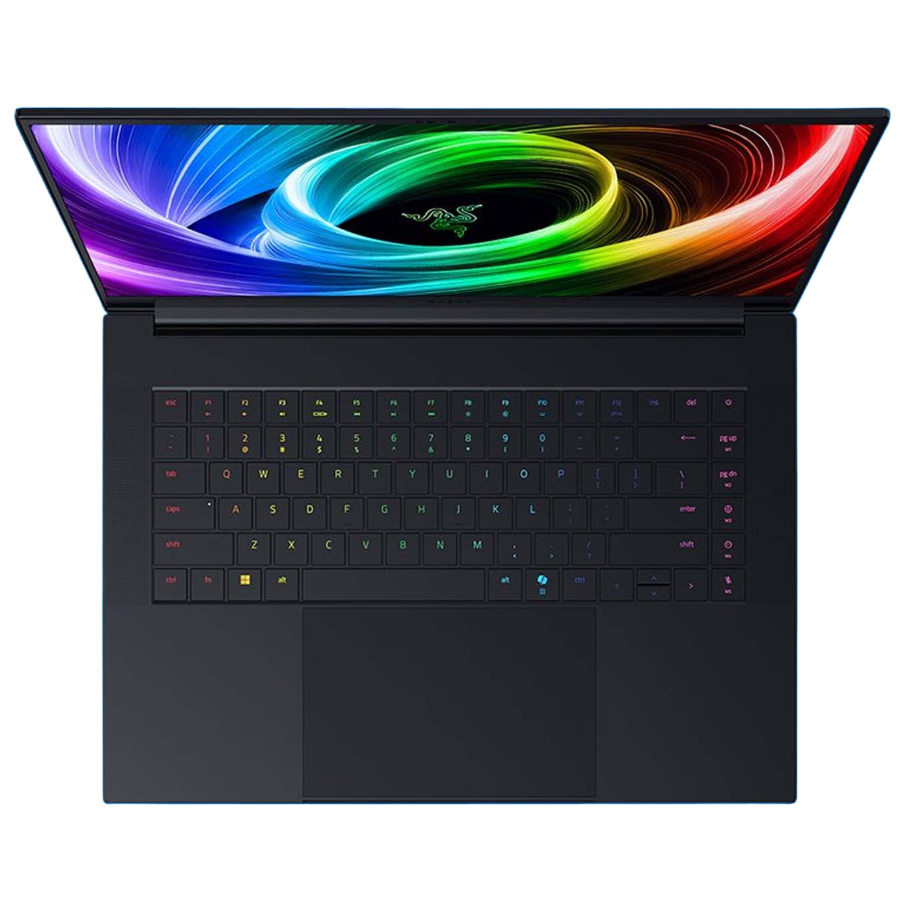
1. Best gaming laptop: Razer Blade 16
2. Best gaming PC: HP Omen 35L
3. Best handheld gaming PC: Lenovo Legion Go S SteamOS ed.
4. Best mini PC: Minisforum AtomMan G7 PT
5. Best VR headset: Meta Quest 3
Check out our list of guides

Jeremy has been writing about technology and PCs since the 90nm Netburst era (Google it!) and enjoys nothing more than a serious dissertation on the finer points of monitor input lag and overshoot followed by a forensic examination of advanced lithography. Or maybe he just likes machines that go “ping!” He also has a thing for tennis and cars.
You must confirm your public display name before commenting
Please logout and then login again, you will then be prompted to enter your display name.