Back in my day, I would pass the time waiting for my Sims family to load back into existence by staring out of the window and appreciating all the natural beauty that surrounded my folks' place. Not so anymore—compression tech has gotten so good that the only fronds I have time to contemplate are the polygonal progeny of SpeedTree.
One may be forgiven for thinking load times can't get much speedier, but Microsoft has released further details about a swish new GPU decompression algorithm in DirectStorage 1.4, assuring that they can. The company first released these details at GDC 2026, during the DirectX State of the Union 2026: DirectStorage and Beyond talk.
Article continues below 
Last year's Spider-Man 2 port also used the tech via DirectStorage, though arguably not well at launch. More recently, Resident Evil Requiem is one of the few games that use its GPU data decompression—though not all rigs will harness this tech, even though they're capable of it.
According to Microsoft's own benchmarks, GDeflate is still the way to go for developers wanting to let the GPU handle asset loading, but Zstd is better for CPU-intensive projects. Zstd does also offer a better compression ratio overall compared to GDeflate—but only by about 2%.
A number of different codecs were evaluated for inclusion, but "Zstd stands out by delivering competitive compression ratios and decompression performance, broad availability on hardware and software across operating systems, and widespread adoption in OS, cloud, and web scenarios." Basically, its inclusion alongside GDeflate offers developers another option when figuring out what will suit their workload best.
Even greater improvements to this compression tech will be ushered in down the line by "GPU partners [working] towards future hardware specific optimizations for Zstd." Those GPU partners chime in with some much-needed context, too.
"Aligning the industry on an open compression standard builds a foundation for future game titles to deliver immersive experiences with even larger worlds than realistically possible today," Daniel Staheli, CVP of Software Development at AMD, said, "We plan to make optimizations for AMD GPUs available in a public driver during the second half of 2026 and look forward to seeing how developers use these investments to enhance the player experience.”

Rival GPU manufacturer and now massive AI company Nvidia echoed a similar sentiment, with distinguished engineer Patrick Neill saying, "NVIDIA is excited to bring Zstd support to game developers, with decompression optimizations tailored for NVIDIA GeForce RTX GPUs arriving in the second half of this year."
Intel is also on board, hoping to "tune Zstandard decompression through DirectStorage across our GPU architectures". Qualcomm also said it will bring Zstd-tuned driver updates "that reflect our investments in Zstd decompression on our platforms" by the end of the year.
To aid in 'aligning the industry on an open compression standard,' Microsoft has also made its Zstd GPU decompression compute shader open-source. It's still in active development, but currently interested devs can get their hands on a version of the shader that is "optimized for content chunked to 256KB or smaller, consistent with modern game packaging patterns for streaming workloads."

While a lot of the language here implies a PC focus, Microsoft is definitely still interested in console hardware. Just for a start, the new CEO of Microsoft Gaming, Asha Sharma, said 'hello' by promising to "recommit to our core Xbox fans and players." Then there was the announcement of next-gen console Project Helix, a hybrid box that will apparently play both PC and Xbox games—though another GDC talk revealed this week that it's still years away.
Even so, it's clear Microsoft still wants to keep its thumb firmly stuck in the gaming pie. CEO Satya Nadella recently said the company will "always" invest in gaming, and that Xbox "at its best lifts the entire company." Smart compression improvements like DirectStorage 1.4 may help Microsoft pave its way to a brighter gaming future…bit by bit.
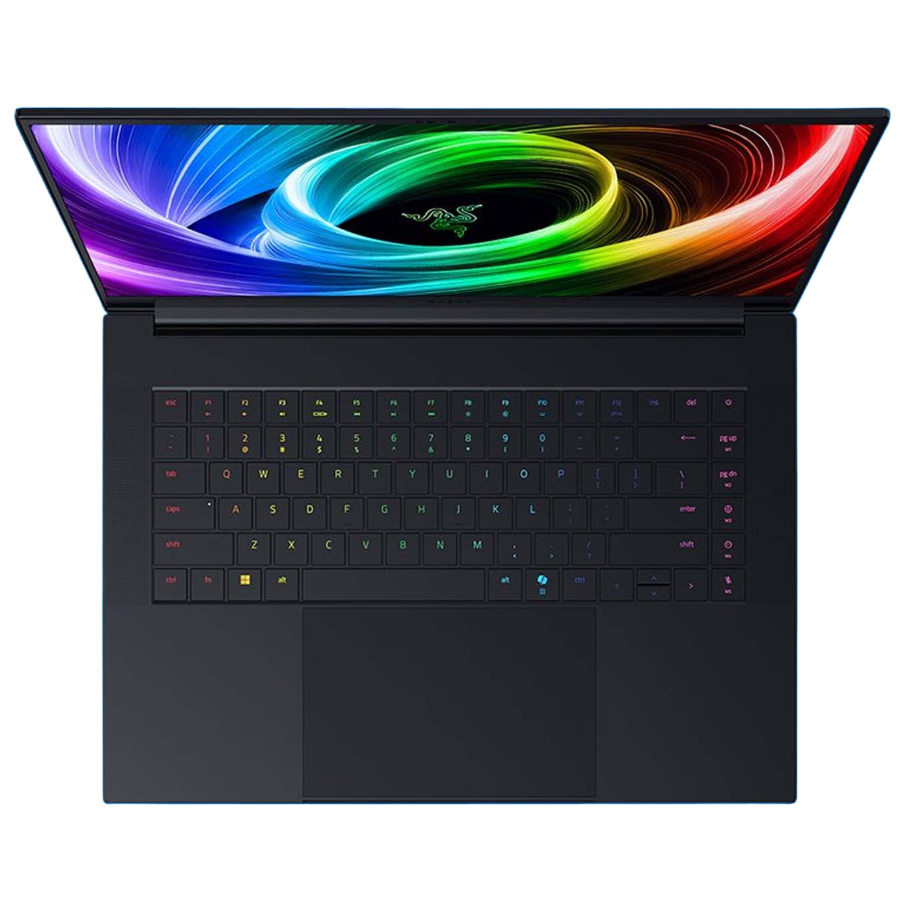
1. Best gaming laptop: Razer Blade 16
2. Best gaming PC: HP Omen 35L
3. Best handheld gaming PC: Lenovo Legion Go S SteamOS ed.
4. Best mini PC: Minisforum AtomMan G7 PT
5. Best VR headset: Meta Quest 3

You must confirm your public display name before commenting
Please logout and then login again, you will then be prompted to enter your display name.