Despite the enormous success of Baldur's Gate 3, Larian bid adieu to D&D after the completion of its landmark RPG and has opted to go back to its original world: The Divinity series, which includes one of our all-time favorite RPGs, Divinity: Original Sin 2.
The new Larian RPG, which is just called Divinity, is probably not going to require you to be up-to-date on the series lore. But the series has a lot to offer for the curious, even if the games do get pretty crusty the further back you go.
Article continues belowWhat are the games in the Divinity series?
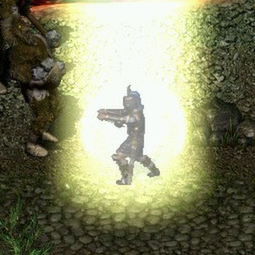
An action RPG that was supposed to be the modern (for 2002) Ultima by way of Baldur's Gate. Was actionized because publishers basically said "Diablo's big right now, why don't you make it more like Diablo?" Still has Larian's recognizable sense of humor, as well as granular interactivity with the world and items. (Steam, GOG)

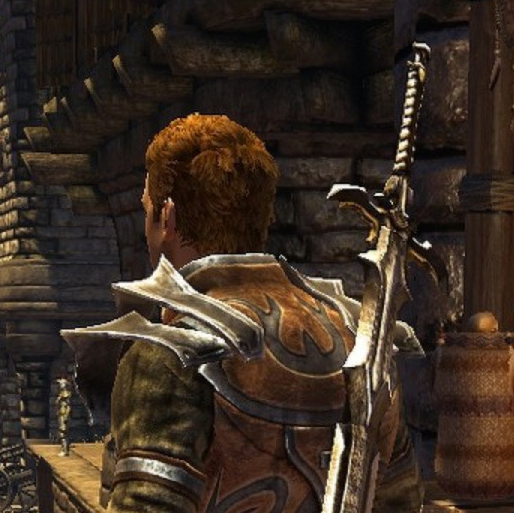
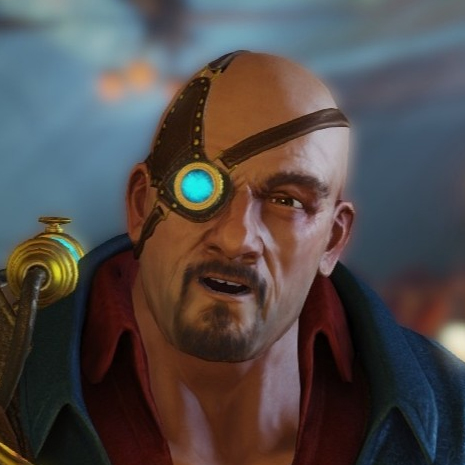
A super-weird, crazy ambitious RTS with RPG, dogfighting, and grand strategy elements, plus a big story focus—BG3 romance obessives take note, you can marry a skeleton, though it's a political marriage. In addition to controlling your armies from the classic, zoomed-out RTS view, you can take flight on a dragon to nuke your opponent's little guys. A realhead cult classic among the Larian lineup. (Steam, GOG)
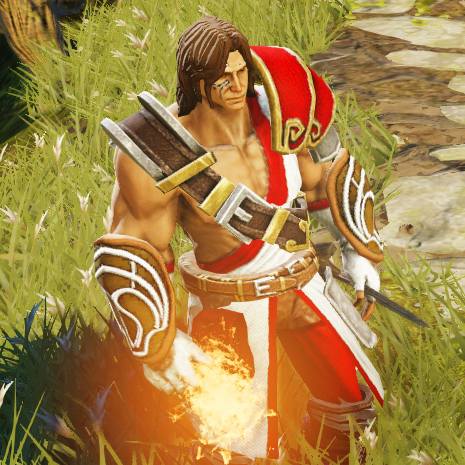
This is where things really heat up: Co-op play, wild physics and elemental interactions, engrossing buildcrafting, the ability to talk to every animal, as well as fantastic turn-based battles. Lacks the character-driven storytelling of later games, but possesses a whimsical, fairytale sensibility you either love or hate—I love it. (Steam, GOG)

Practically feels like a Baldur's Gate 3 test run in hindsight—it lacks the crazy high production values of BG3, as well as the breadth of non-combat solutions to problems. Its skill checks and dialogues are more limited and less useful, and most quests are going to end in a fight. But those fights are amazing: Original Sin 1 was on the short list of best turn-based combat around, and Original Sin 2 is head and shoulders above the competition, XCOM-tier. (Steam, GOG)
What order should you play the Divinity games in?
Rather than experiencing the Divinity games chronologically by release date, or according to the internal timeline of the series, we suggest investigating them in reverse order of release. That has you starting with the best of them and working backwards until they get too crusty for you. So our recommendation is:
- Divinity: Original Sin 2
- Divinity: Original Sin
- Divinity: Dragon Commander (If you're into strategy games)
- Divinity 2: Ego Draconis
- Beyond Divinity (you can skip this one unless you're a real completionist)
- Divine Divinity
Start with Original Sin and Original Sin 2
Divinity: Original Sin and Divinity: Original Sin 2 are the most Baldur's Gate 3-like of Larian's other games, with turn-based combat, co-op, as well as the intensive simulation and reactivity of BG3.
The biggest things they're missing are Baldur's Gate 3's supremely generous storytelling and production values. Original Sin 2 has a fun, distinctive, and romanceable cast, but there's just a smaller volume of dialogue and quality time with them. Original Sin 1, meanwhile, is almost closer to Shrek in tone than a BioWare game—it's funny and quirky, with great quests and surprises, but not much in the way of character work.

Divinity: Original Sin 2 was our 2017 Game of the Year pick, and remains an easy recommendation today. There are even aspects of its combat and mechanics I'd argue are superior to BG3, or at least not a downgrade: It has a stronger emphasis on elemental combos and interactions, as well as a unique health system where crowd control doesn't work on enemies until you've removed all their defenses, but after that, it has a 100% success rate.
Original Sin 1 is starting to feel crustier and finickier in that old school RPG way, but it's still relatively approachable. Its biggest foibles are some gnarly difficulty spikes, as well as a complicated, poorly explained crafting system where most of the best weapons and gear are hiding—but once you've mastered it, it's kind of satisfying in its own way.

The best resource I've ever managed to find for character builds in OS1 is buried in this couple's personal website, for some reason. One of those bits of load-bearing internet esoterica—if the server ever goes down, it will be the burning of the Library of Alexandria for Original Sin 1 buildcrafting. The guides can be confusing at first—they assume an intermediate familiarity with the skill system—but the builds are good fun and at the very least make for a solid starting point.
Thank you Ashley and Micah English, wherever you are.
Should you really play the pre-Original Sin games?
I've still yet to play RTS spinoff Dragon Commander—I'm not much of an RTS guy—but it has plenty of devotees on the PC Gamer staff. The more you like strategy, the more you should prioritize it, I'd say. It was an ambitious game that mixed large-scale strategy, real-time battles, and political maneuvering.
As for the OG Divinity games, Divine Divinity and Divinity 2, this is where only the true sickos should tread. In the first Divinity press release, Larian boss Swen Vincke only makes reference to the Original Sin games for parsing the lore in the upcoming RPG, and Original Sin 2 directly contradicts the story told in Divinity 2 (no Original Sin).
But if you want to play some great old RPGs, and don't mind some crust and rougher edges, I can heartily recommend Divine Divinity and Divinity 2.
Beyond Divinity is more an exercise in completionism or historical curiosity: It's fascinating, because its dual-protagonist structure has the outlines of the seamless co-op design Larian would pioneer later on, but it's a bit of a slog to play.
What is Divinity's fantasy setting like?
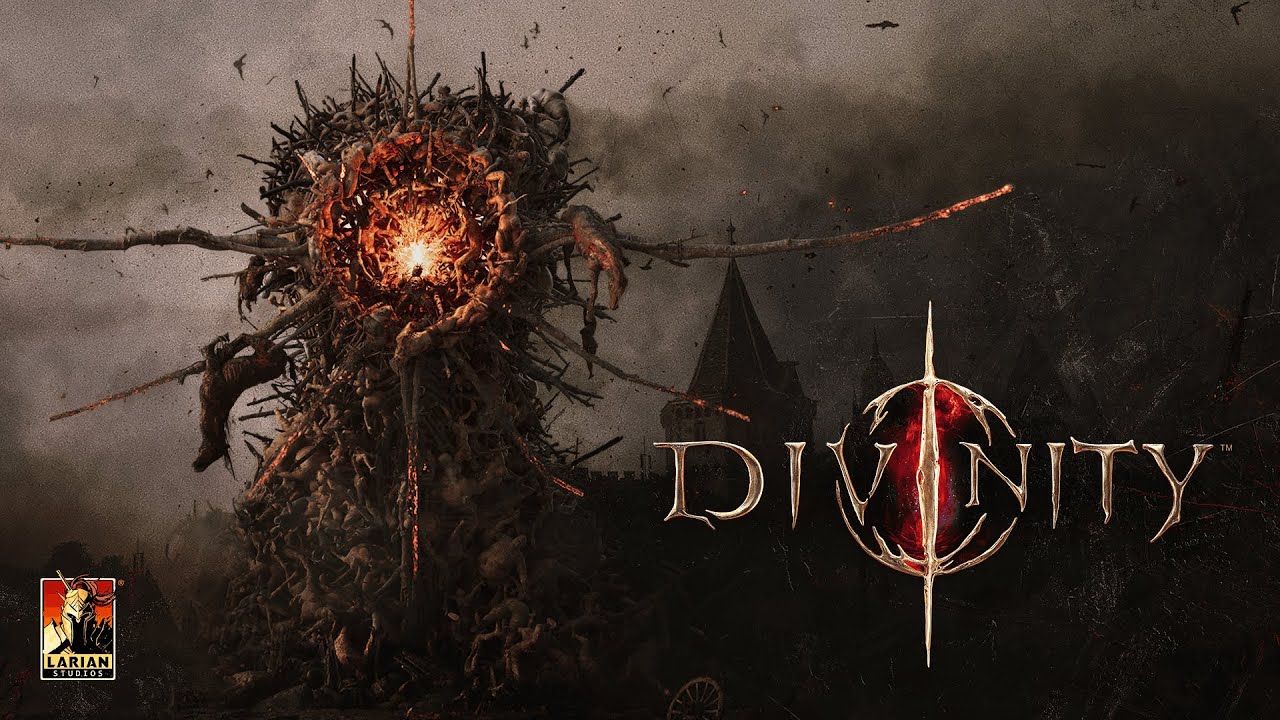
The Divinity series takes place in a classic fantasy world called Rivellon, which includes humans, elves, and dwarves, plus lizard people and undead skeletons. (Larian seems to particularly like skeletons—Withers fans may be interested to know that you can marry one in Divinity: Dragon Commander.)
The first games were action RPGs, and the Diablo influence perhaps extended to the plot, too, though without quite so much Catholic mysticism. In Divine Divinity, an evil organization called The Black Ring is trying to bring back a demon called Chaos, while you naturally try to stop them—helpfully, you are a chosen one who can become a messiah called the "Divine."
It's not the most exciting fantasy setting ever conceived, but then again, neither is D&D's Forgotten Realms, where Baldur's Gate 3 is set. It was the characters and the specifics of the narrative that hooked us in that game.
We discuss Larian's return to its original series in much more depth here. One thing that surprised us about the Divinity reveal trailer, embedded above, is how gruesome it is, though Harvey speculates that the game itself might not be as grisly as all that.
You must confirm your public display name before commenting
Please logout and then login again, you will then be prompted to enter your display name.