You are now subscribed
Your newsletter sign-up was successful
Want to add more newsletters?

Every Friday
GamesRadar+
Your weekly update on everything you could ever want to know about the games you already love, games we know you're going to love in the near future, and tales from the communities that surround them.

Every Thursday
GTA 6 O'clock
Our special GTA 6 newsletter, with breaking news, insider info, and rumor analysis from the award-winning GTA 6 O'clock experts.

Every Friday
Knowledge
From the creators of Edge: A weekly videogame industry newsletter with analysis from expert writers, guidance from professionals, and insight into what's on the horizon.

Every Thursday
The Setup
Hardware nerds unite, sign up to our free tech newsletter for a weekly digest of the hottest new tech, the latest gadgets on the test bench, and much more.

Every Wednesday
Switch 2 Spotlight
Sign up to our new Switch 2 newsletter, where we bring you the latest talking points on Nintendo's new console each week, bring you up to date on the news, and recommend what games to play.

Every Saturday
The Watchlist
Subscribe for a weekly digest of the movie and TV news that matters, direct to your inbox. From first-look trailers, interviews, reviews and explainers, we've got you covered.

Once a month
SFX
Get sneak previews, exclusive competitions and details of special events each month!
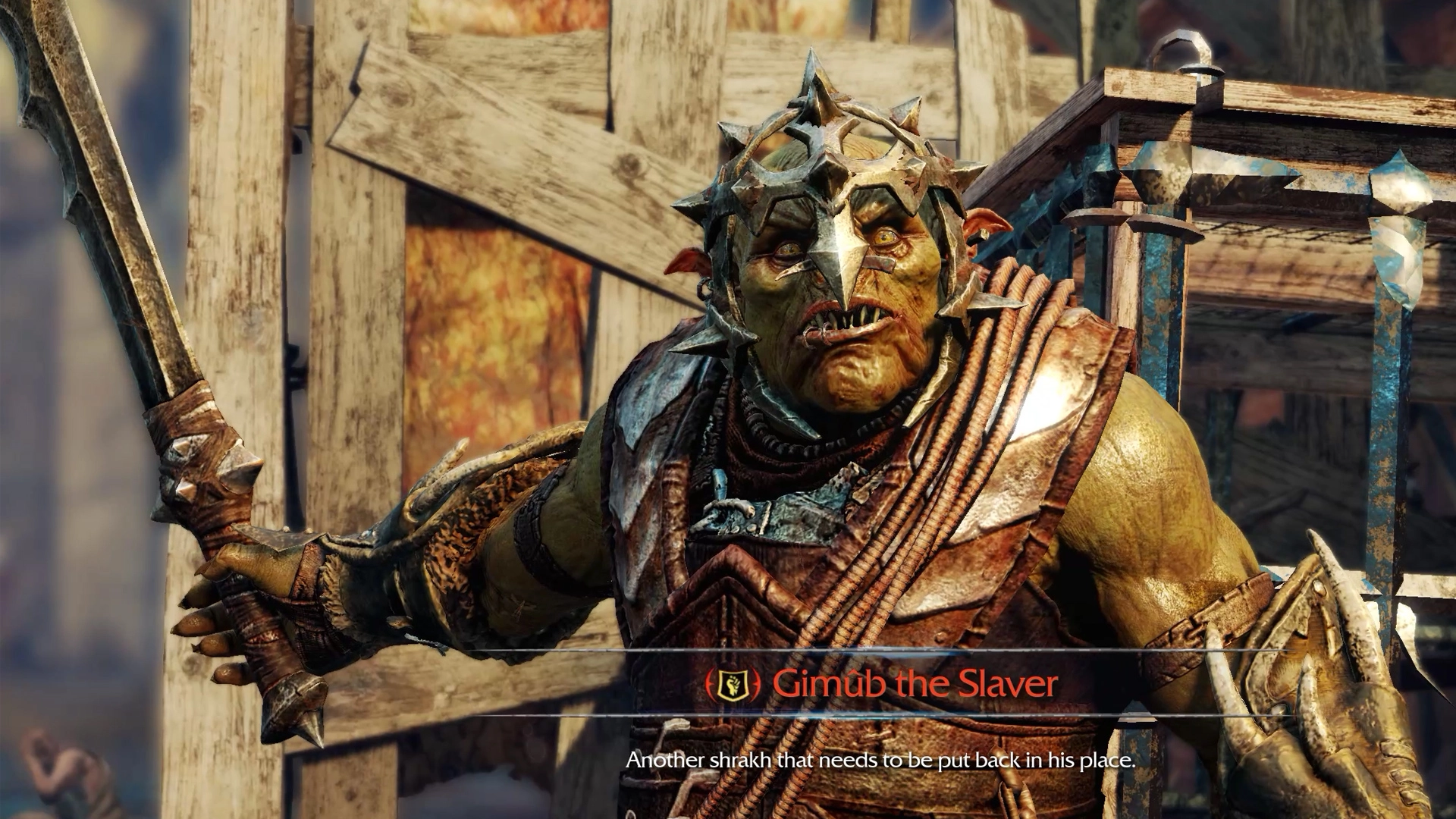
Michael de Plater, Creative Director of Monolith Studios, took the stage today at DICE 2015 to talk about where he looked for inspiration for the Nemesis system in Middle Earth: Shadow of Mordor. Turns out, Monolith took cues from a number of things, including sports and multiplayer games.
While Shadow of Mordor is a singleplayer experience, de Plater wanted to foster an atmosphere found routinely in multiplayer games: one of competition and revenge. The Nemesis system, which generates names, traits, and ranks for orc leaders, helps provide that. If you're killed and taunted by a named NPC, chances are you'll remember him, and make it your mission to track him down for a little payback. Adding to the drama, orcs accumulate scars as you fight them repeatedly, giving you a visual history of your conflicts. This both contributes to a player's personal narrative and makes their eventual triumph even more sweet.

de Plater also mentioned that sports—not sports games, but real sports—were an inspiration, given the drama and narratives that develop naturally over the course of a season:
"Sports are designed as systems which generate stories every year. They start with the early play-offs, they're designed that if there's a failure through the mid-season you don't rewind to the last save and start playing again from that point, as much as you potentially wish you could."


