You are now subscribed
Your newsletter sign-up was successful
Want to add more newsletters?

Every Friday
GamesRadar+
Your weekly update on everything you could ever want to know about the games you already love, games we know you're going to love in the near future, and tales from the communities that surround them.

Every Thursday
GTA 6 O'clock
Our special GTA 6 newsletter, with breaking news, insider info, and rumor analysis from the award-winning GTA 6 O'clock experts.

Every Friday
Knowledge
From the creators of Edge: A weekly videogame industry newsletter with analysis from expert writers, guidance from professionals, and insight into what's on the horizon.

Every Thursday
The Setup
Hardware nerds unite, sign up to our free tech newsletter for a weekly digest of the hottest new tech, the latest gadgets on the test bench, and much more.

Every Wednesday
Switch 2 Spotlight
Sign up to our new Switch 2 newsletter, where we bring you the latest talking points on Nintendo's new console each week, bring you up to date on the news, and recommend what games to play.

Every Saturday
The Watchlist
Subscribe for a weekly digest of the movie and TV news that matters, direct to your inbox. From first-look trailers, interviews, reviews and explainers, we've got you covered.

Once a month
SFX
Get sneak previews, exclusive competitions and details of special events each month!
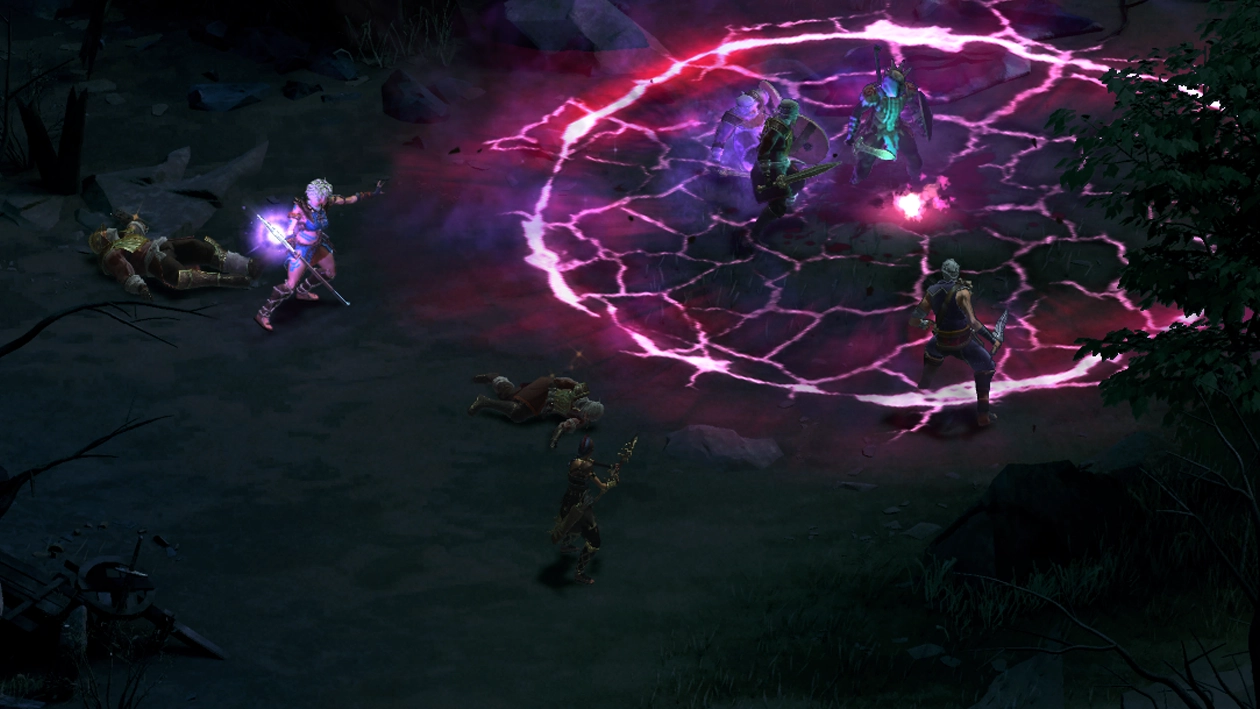
In some ways, Obsidian's next RPG feels like a sequel to a game we haven't played or a story we've never read. Tyranny, which is built on a modified version of the tech used in Pillars of Eternity, doesn't depict the beginning of an epic struggle between good and evil. Instead, it takes place in the aftermath of such a conflict, in which evil has triumphed and a world that has been shattered by the great war is now slowly trying to recover.

Your character, called a Fatebinder, isn't some simple farmhand who has never swung a sword and has to learn by killing giant rats in a some dark sewer. You're already an established person in the world, someone people recognize and fear. You've survived the war, and now roam the land trying to restore order and rebuild what has been destroyed. Even when evil wins, it seems, someone has to clean up the mess.
"You can think of that kind of as like Judge Dredd, where you get to come in and bring your own brand of justice to the land," said Singh. "We're a Fatebinder, and with that are certain responsibilities. We need to be resolving disputes between the armies and people within this world, that's kind of a responsibility of ours."

Not only is the world in transition due to the war, but also due to technology. Tyranny takes place during a time when the world's Bronze Age is ending and its Iron Age is just beginning. And, while the war has already happened and you're exploring it during the aftermath, players will still have something to say about the events that have already transpired.
"In our game," said Singh, "within character creation, we actually let the player decide how that conquest happened, and based off the decisions that you make there, you actually shape the starting state of the world. And so, depending on those choices you're actually going to get a very different experience."
...you don't start off as the average farm boy that's picked up a rusty dagger for the first time.
I saw some evidence of this during the demo. Our Fatebinder visited a town called Plainsgate, in a land that was devastated by powerful magic during the war. Plainsgate used to be a flourishing farming community that bore crops and could feed thousands, but post-war it's become barren and is constantly rocked by earthquakes.
In another game we visited the same town, though due to different choices made during character creation the events of the war had played out differently. In this game the conflict in Plainsgate had been much more severe, and the land was even more damaged by magic to the point where a portion of the town had actually crumbled into a chasm. It's name was even different: in this reality, it was called Halfgate.

More than just the landscape was changed due to the choices made at the start of the game. In one instance, we were allied with a faction called the Scarlet Chorus, one of Kyros' many armies which served him during the war. In the second playthrough, the Scarlet Chorus considered the Fatebinder to be an enemy. While both the Fatebinder, the Scarlet Chorus, and other factions serve the Overlord, it clearly doesn't mean everyone gets along.
A player's choices at the beginning of the game can also determine which quests they'll take on. On the trip to Plainsgate we were looking for a half-human prisoner called a Beastman who might have information on how to break the magic spells that had been cast over the land and restore it to its past farming glory. In the Halfgate version, however, we were there to kill the Beastman. These types of changes brought on by player choices while creating their character are one way Obsidian is hoping to make the game a different experience on subsequent playthroughs.
On the next page, what we know about combat, skills, and companions.


