Join The Club





One of the biggest memory manufacturers in the world, SK hynix, has just announced that its new 321-layer QLC PQC21 flash chips are now in full production, with supplies of 1 and 2 TB modules ready to go. Before you think that this could help lower SSD prices, though, it's Dell that's getting dibs on these chips.
Peel the sticker off an average gaming SSD, and you'll notice that it has quite a few chips on the circuit board: one being a flash memory controller, one possibly being a bit of DRAM, and the rest all being NAND storage itself. With the latter being expensive and in short supply, SK hynix is hoping that its new QLC flash will make a difference.
QLC, or quad-level cell, memory can store 4 bits of data per individual cell. That makes it ideal for cutting costs, as you need fewer cells in total to reach a target storage size. In the case of SK hynix's new PQC21, just one module is required for 1 TB.
Downsides? Compared to TLC (3 bits per cell) or MLC (2 bits) SSDs, QLC drives have a shorter lifespan and lower performance, though neither is much of an issue for the average PC user.
At the moment, we have no idea as to whether SK hynix has made any improvement in these areas with the new flash, but my gut feeling is that the product is simply designed to be manufactured quickly and cheaply, helping to plug the ever-increasing hole in the SSD supply chain.
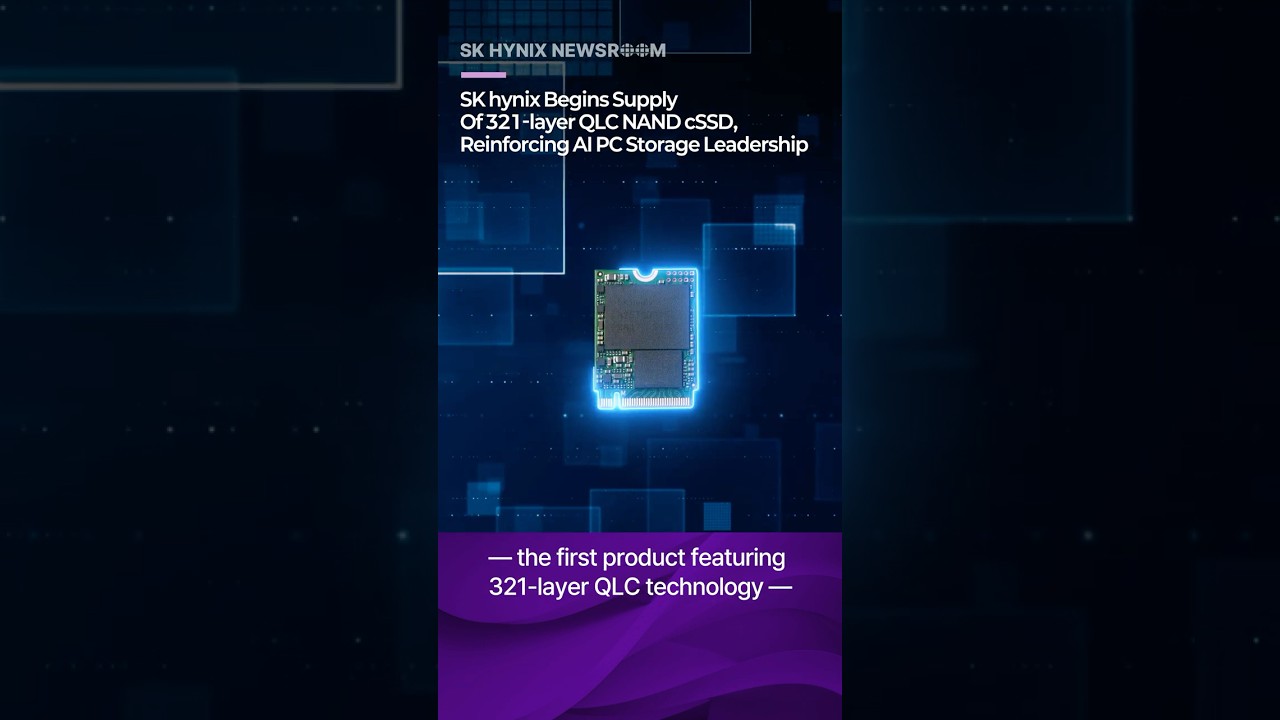
Not that you're likely to be using it any time soon, as the only customer to be getting its hands on the PQC21 is Dell, though SK does have "plans to continuously expand partnerships with other major global customers."
Gaming SSDs with PQC21 chips are unlikely to set any performance records, but they could find a spot in our SSD buying guide in the budget section. Not that any solid state drive is what you'd call budget these days, but you get what I mean.
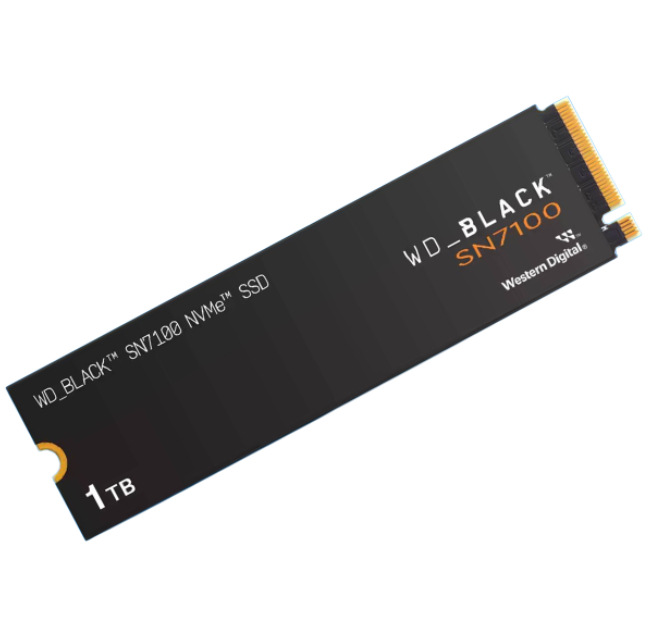
1. Best overall:
WD_Black SN7100
2. Best budget:
Biwin Black Opal NV7400
3. Best PCIe 5.0:
WD_Black SN8100
4. Best budget PCIe 5.0:
Crucial P510
5. Best 4 TB:
TeamGroup MP44
6. Best 8 TB:
WD_Black SN850X
7. Best M.2 2230:
Lexar Play 2230
8. Best for PS5:
Silicon Power XS70

You must confirm your public display name before commenting
Please logout and then login again, you will then be prompted to enter your display name.