The memory crisis seems to have put the squeeze on basically everyone, other than those creating the memory. Even well-known gaming brand MSI appears to be struggling and plans on increasing its prices to offset ongoing problems.
According to the United Daily News (machine translated), MSI is reportedly planning to increase the prices of its gaming products by 15-30%. Huang Jinqing, general manager of MSI, reportedly states: "This year is the most challenging year since the company was founded." (via Tom's Hardware)
Article continues below 
Reportedly, increasing the stock of more expensive gear and raising the price of the low-end will funnel people towards the higher end, selling less stock but earning better margins in the process. The United Daily News notes potential fears of increasing price rises, pushing consumers to buy PCs before they get even more expensive.
Notably, this isn't too dissimilar to the business plan put forward by Asus just last week in its earnings report. Asus CFO Nick Wu reckons that Asus leveraging its "high-end brand value and high-end product mix" will help it weather the storm of the memory crisis.
Asus hasn't specifically announced any price hikes, but it has announced a focus on the high-end, with its high margins and niche appeal, over the mass appeal of the budget end of the market.
Both MSI and Asus have noted AI as a way to recoup some costs, which is somewhat ironic given that it is the cause of that memory stock/price instability. MSI plans on investing more in AI servers—it just has to hope it's not hung out to dry, like nearly everyone else has been with regard to memory. I suppose if you can't get out of the pit, the only way through is down.
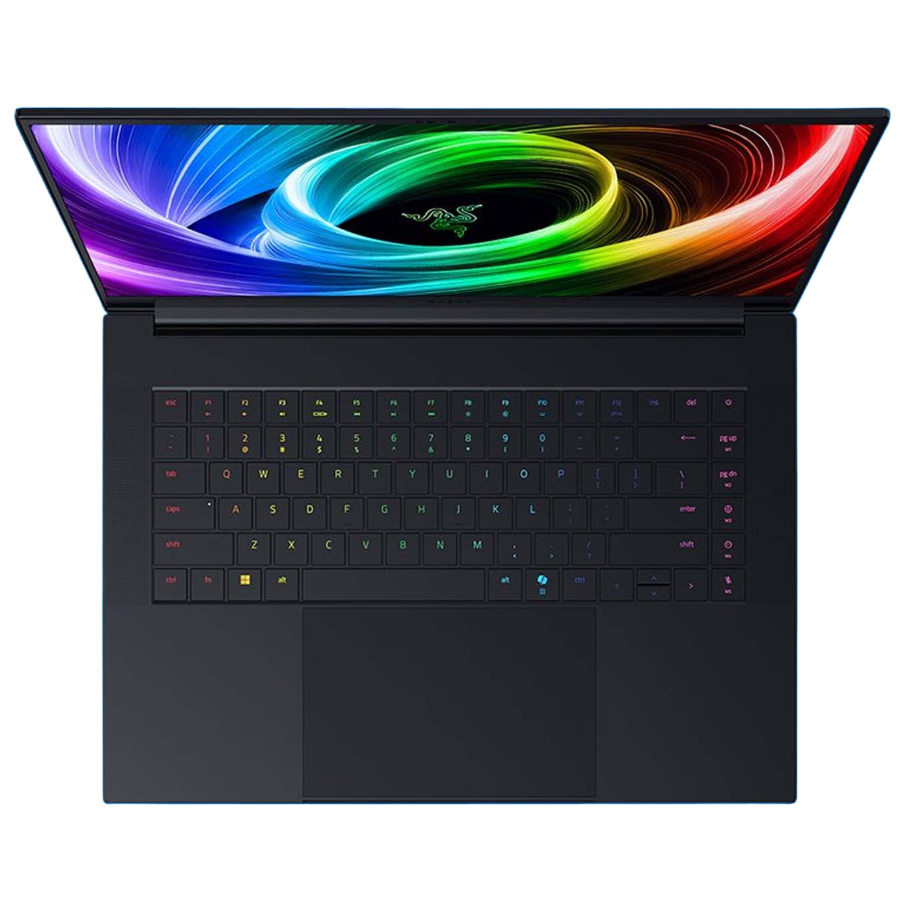
1. Best gaming laptop: Razer Blade 16
2. Best gaming PC: HP Omen 35L
3. Best handheld gaming PC: Lenovo Legion Go S SteamOS ed.
4. Best mini PC: Minisforum AtomMan G7 PT
5. Best VR headset: Meta Quest 3

You must confirm your public display name before commenting
Please logout and then login again, you will then be prompted to enter your display name.