The memory crisis appears to be hitting almost everyone, from PC gamers to PC suppliers, but Asus doesn't seem too worried. Addressing concerns in its latest financial earnings report, Asus reckons it is uniquely positioned to survive it.
Opening the topic, Asus CFO Nick Wu says, "I would like to briefly add that as investors are currently focusing on the rise in memory prices in 2026, and of course, that may suppress the demand and consequently the profitability in the 2026 PC market."
Article continues below 
Asus, being a trusted brand, will have contracts and relationships that could potentially get it hardware before less established companies. This can actually make the memory crisis a bit of an opportunity for some brands, as they can withstand it through tactical partnerships, in ways others cannot.
The last element that Asus points to is the fact that it also manufactures graphics cards and motherboards. The former category has been shooting up in price, and the latter one will dip if gaming PC demand goes down. Diversifying its range of products is naturally good for market consistency, and like gaming PCs, Asus can pass the extra price of manufacturing products onto the consumer.
Wu says, "Overall, we are very confident in achieving a stable operation in 2026 that will be able to outperform the industry."
One significant way that Asus plans on increasing revenue going forward is by further committing to, you guessed it, AI. Both the cause of the memory crisis and part of Asus' route around it, co-CEO S.Y. Hsu says, "Asus is fully riding the AI wave to take off."
Well, it seems like companies giving up on AI and letting memory prices fall back to normal isn't on the cards in the near future.
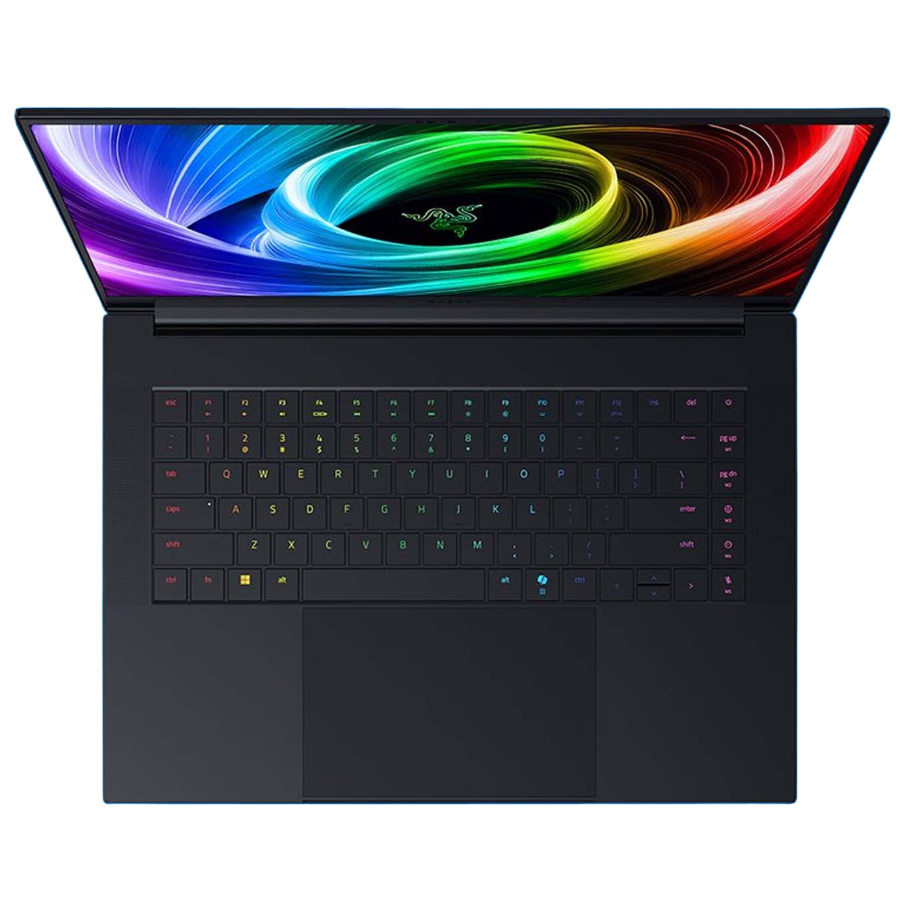
1. Best gaming laptop: Razer Blade 16
2. Best gaming PC: HP Omen 35L
3. Best handheld gaming PC: Lenovo Legion Go S SteamOS ed.
4. Best mini PC: Minisforum AtomMan G7 PT
5. Best VR headset: Meta Quest 3

You must confirm your public display name before commenting
Please logout and then login again, you will then be prompted to enter your display name.