The US edition of PC Gamer magazine liked The Temple of Elemental Evil enough to award it a respectable 79% in 2003, but we still had more than a few monster-sized bones to pick with Troika's D&D RPG: NPC companions silently loading themselves up with so much worthless loot they become encumbered by it; atrocious pathfinding; and numerous other obvious bugs and avoidable snags bringing down an otherwise promising adventure.
This matched my own experience with the game back then. The enticing promise of a full and faithful digital recreation of D&D's 3.5 ruleset—and a chance to throw magic missiles somewhere other than the Sword Coast thanks to the game's use of the Greyhawk setting—was brought down by frustrating technical issues and odd design choices.
Article continues belowIt's not a completely different experience like a remake would be, with everything simplified and sanded down out of a fear our doomscroll-addled minds won't have the patience for 2003-style tough battles and reactive questlines. It's pretty much the same game. It just works as intended, right from the first click.
Actually, that's not quite right. It's better than intended. Temple of Elemental Evil is littered with thoughtful additions and restored quests, all of them well-integrated and subtle enough to make it easy to believe they've always been there. NPCs can offer sidequests they didn't have before, unlocking further rewards. I can now find a magic chest to stuff my loot in, neatly sidestepping the original's boring, bagless inventory woes. I'm able to freely wander into a building that didn't make it into the original release, and take part in multiple storylines that were otherwise destined to remain unseen.
And it still looks amazing, too, with a very specific early 2000s style that no modern game has truly replicated. Thanks to new high-resolution support and an optional windowed mode I can display the game at whatever size suits me best, and the mix of pre-rendered backgrounds and 3D characters still meld together beautifully, my window of choice filled with more, rather than graphics stretched or squashed to fit.
Locations are detailed, pin-sharp, and packed with character. Smoke rises from chimneys, trees sway in the breeze, magic missiles twirl in the air before finding their mark, and gelatinous cubes wobble in evil temples.
Which is great, but why bother playing something this old anyway? Why not play through Baldur's Gate 3 (again), or Rogue Trader or Wrath of the Righteous or Pillars of Eternity or any other CRPG that isn't already old enough to buy its own drinks?
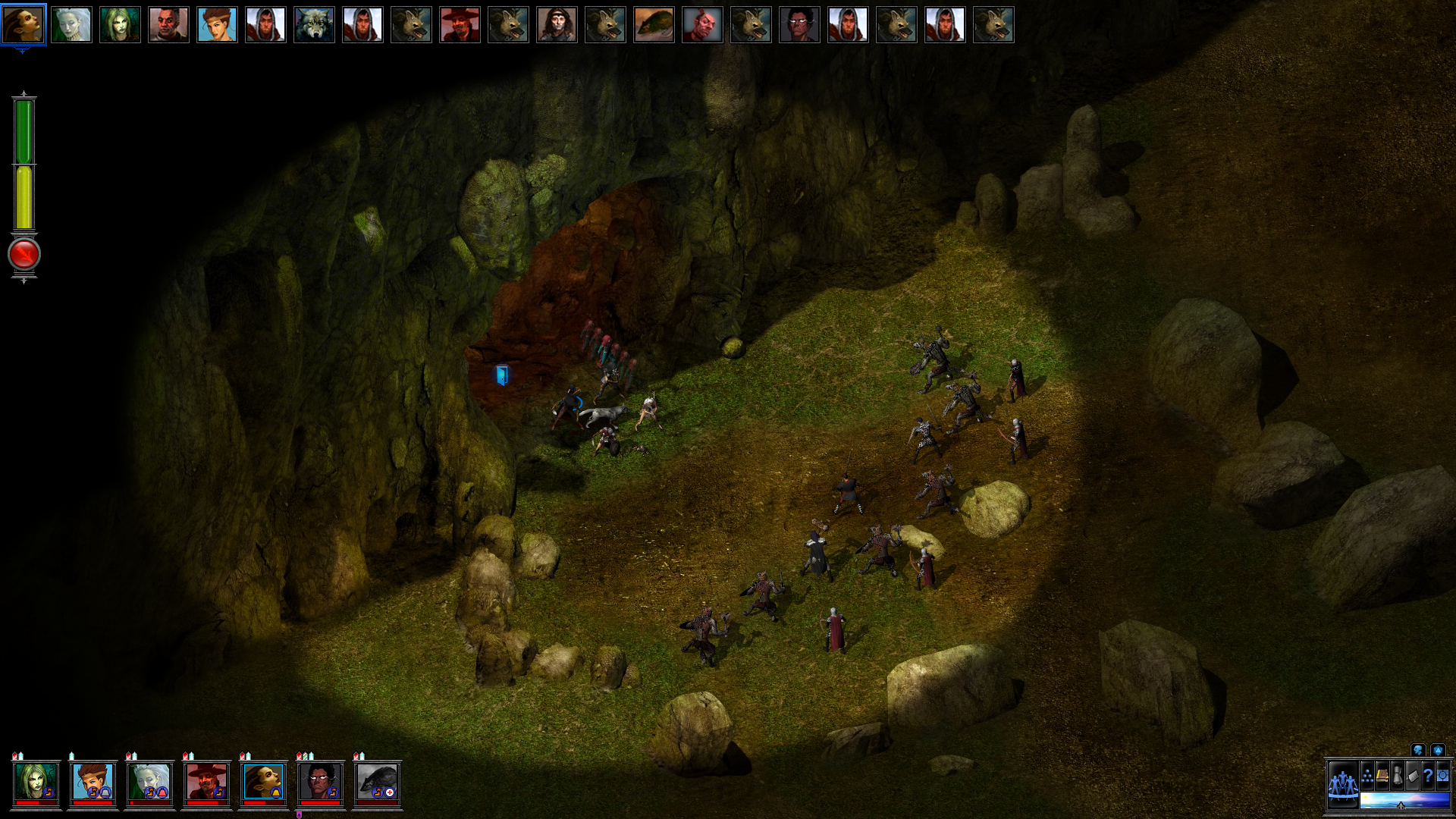
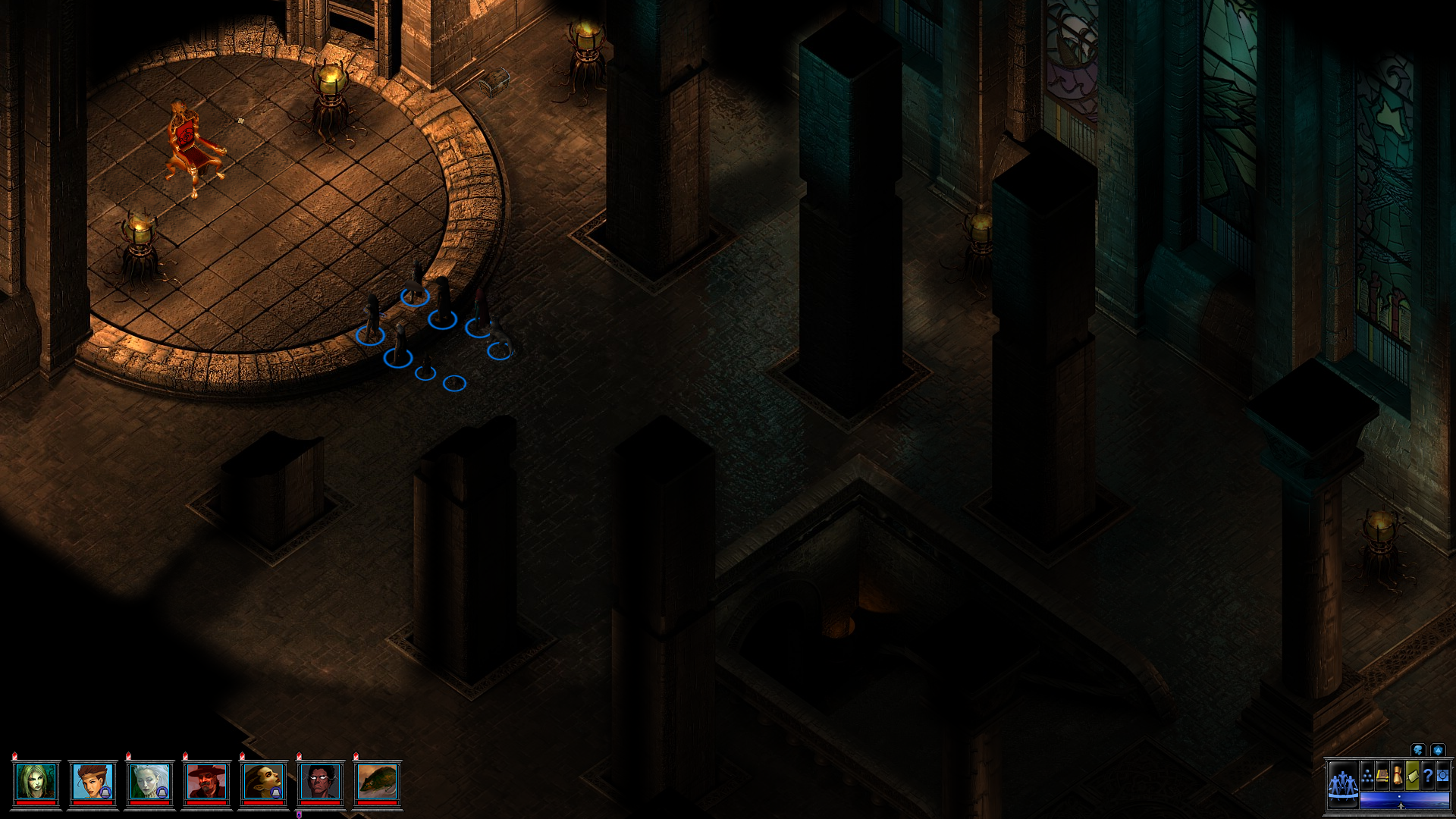
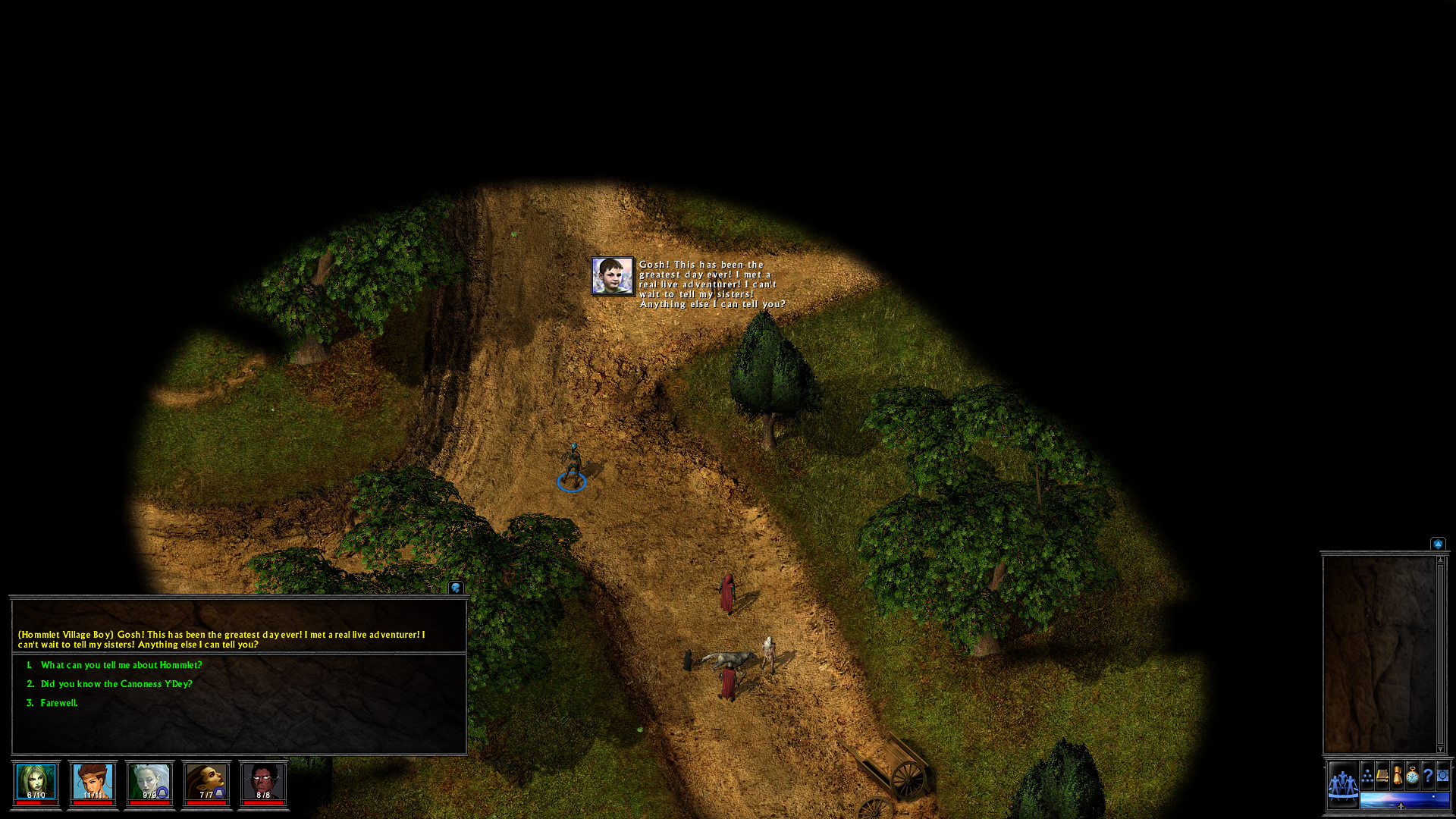
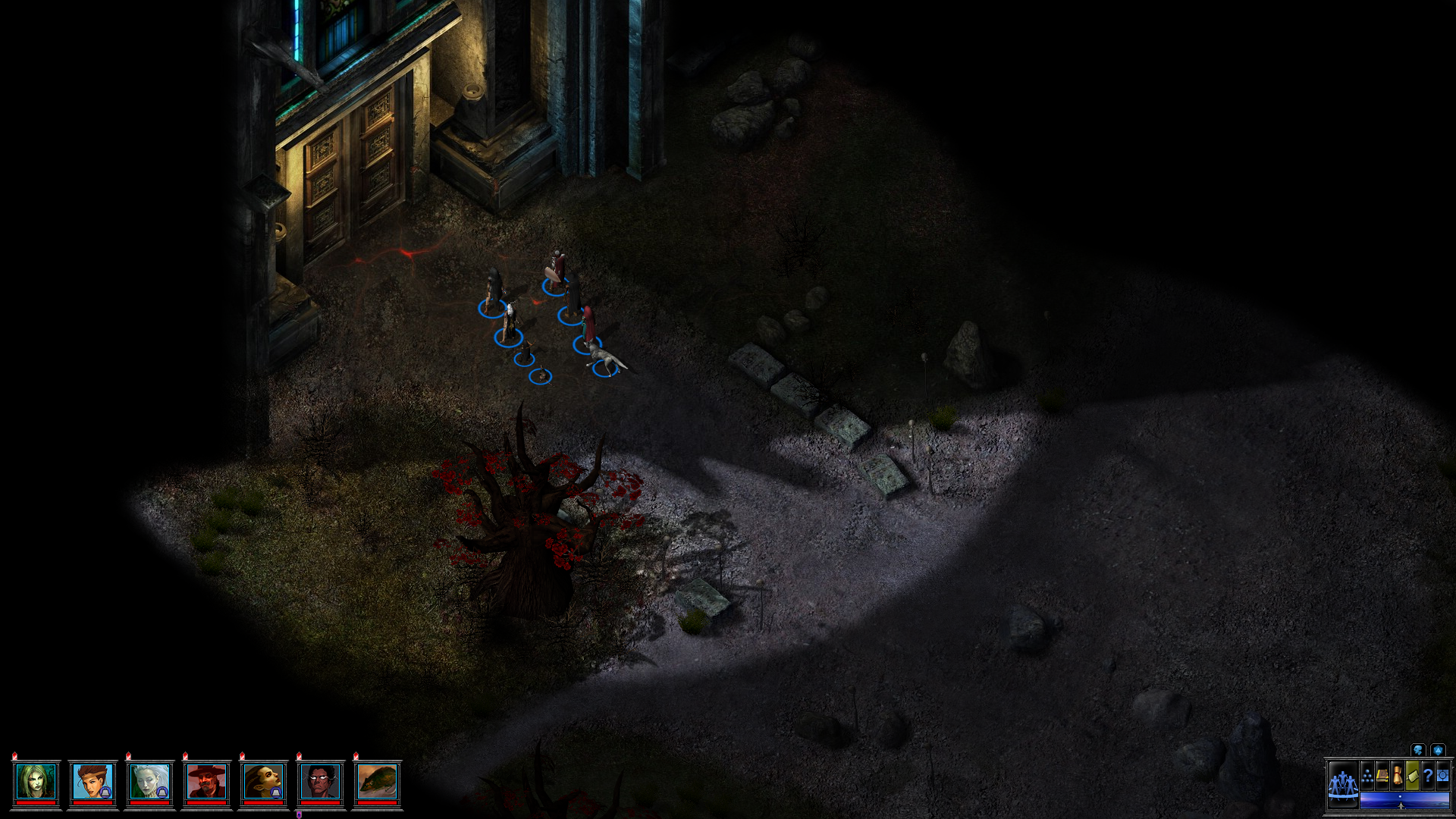
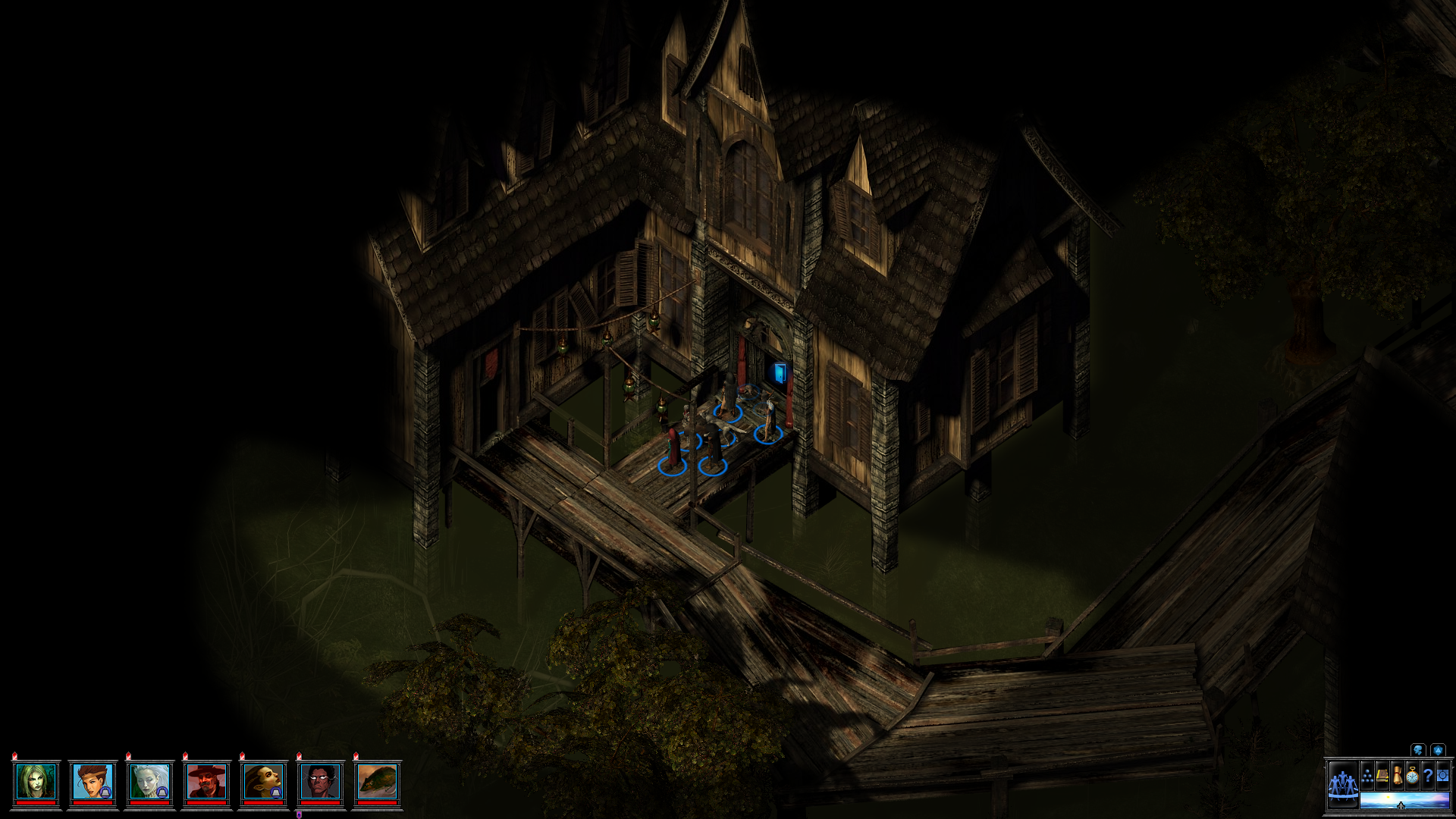
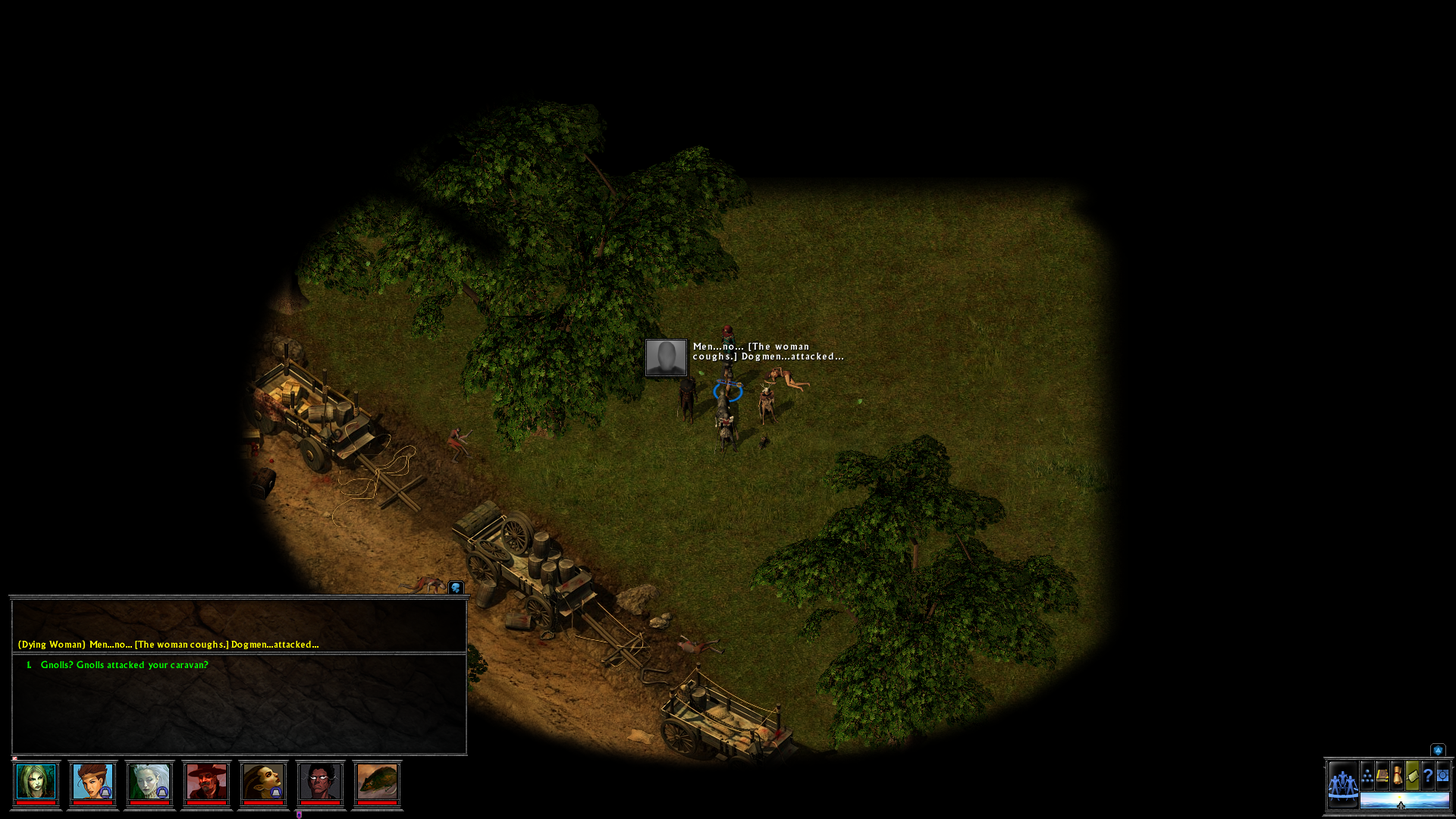
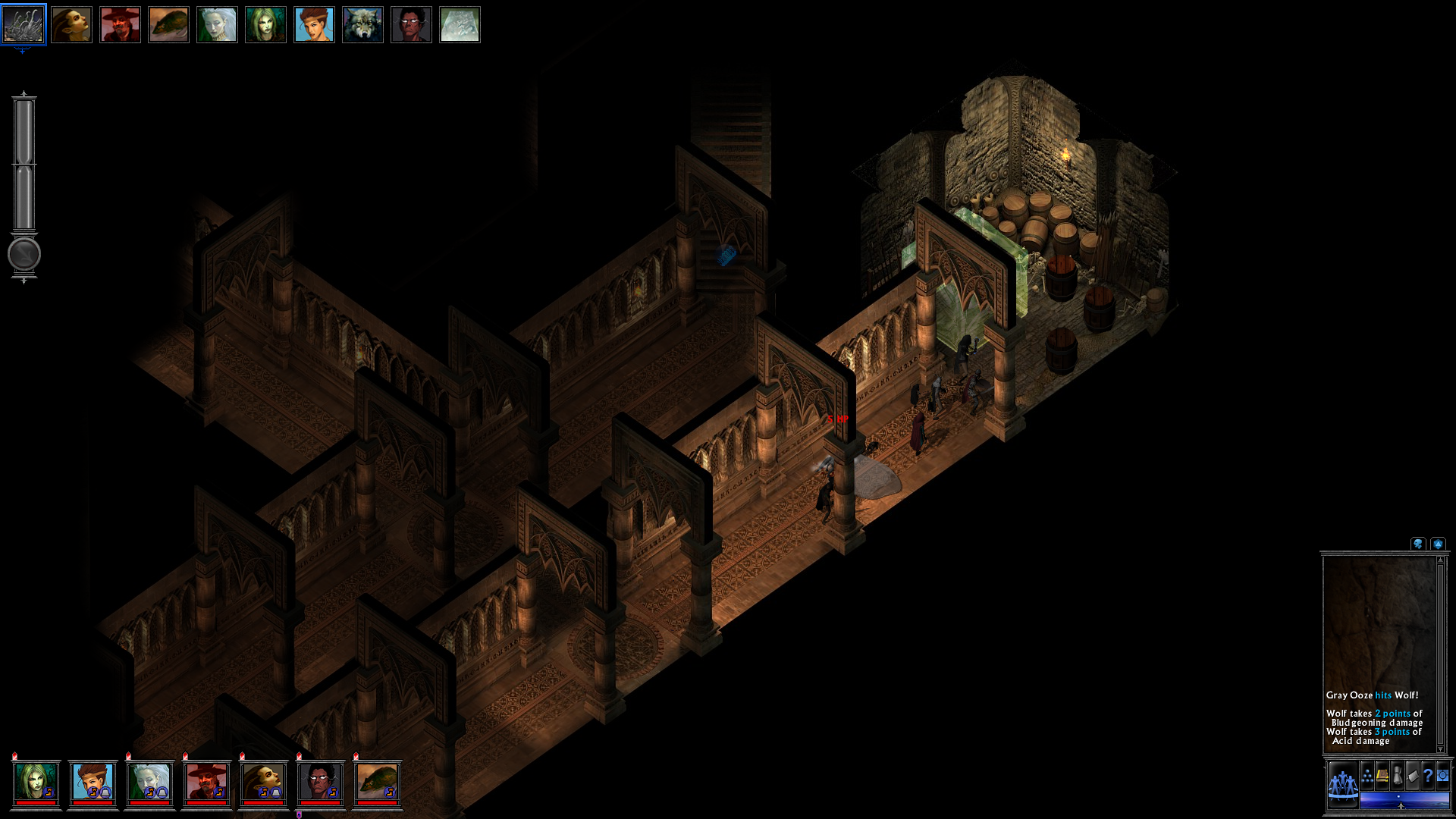
It's not complicated, really—because without those thousand-odd bugs, it's a lot of fun. The Temple of Elemental Evil is an interesting stepping stone in turn-based D&D's digital development, a halfway point between the classic "gold box" RPGs that were all about hand-drawn maps and manually flipping to journal entry #13 in an actual paper book, and the breezier, entertaining homebrew present in Larian's genre-reviving wonder. It's a uniquely faithful recreation of an underserved flavour of D&D; not better or worse than anything that came before or after but different in a way that means it will always stand out.
Regardless of how many glowing retrospectives better-known old games get, or how many awards the shiny new games win, they'll never play the way this one does. As PC Gamer's Jody Macgregor once put it, Temple of Elemental Evil might not be the best D&D game, but it is the most D&D game.
Even selecting the most basic "Please, I just want to hit whatever's standing in front of me" option in combat here brings up at least five different choices to pick from, all of them offering their own tactical strengths and weaknesses.
Movement is never just about picking where in range I want to stand: I have to decide if I'm walking or running, or taking a single five-foot step. I have to consider how a party member's tumble skill is going to interact with an enemy's attack of opportunity. I can see a group of monsters down a corridor and select Ready vs. Approach to prepare for the rush to come, and learn to appreciate how devastating a successful trip attack can be, my opponent left prone and vulnerable to coup de grâce hits when they're down (and yes, I'll pile on my free additional attacks should they survive long enough to stand up).

It's a tactically satisfying experience that only improves as my characters grow, new monsters and new encounters giving me the chance to flex skills I'll never find in another PC RPG, no matter how many I play.
I'd have never known if it wasn't for this new release. It's not a remake or a remaster, but perhaps something even better—a repair. The game fixed up and presented in a way that allows all the good that was always in here the chance to finally shine. For people old enough to still have the original CDs gathering dust on a shelf somewhere, this is a sensitive collection of curated improvements that retains all the fun and flavour of an older and enjoyably distinct ruleset. For anyone itching for more D&D after smooching Karlach for the hundredth time, the enormous array of helpful additions jammed in here make this impressively freeform RPG feel like a fresh take on the popular series.
It's taken far too long, but the temple's finally open for worship.

You must confirm your public display name before commenting
Please logout and then login again, you will then be prompted to enter your display name.