Join The Club





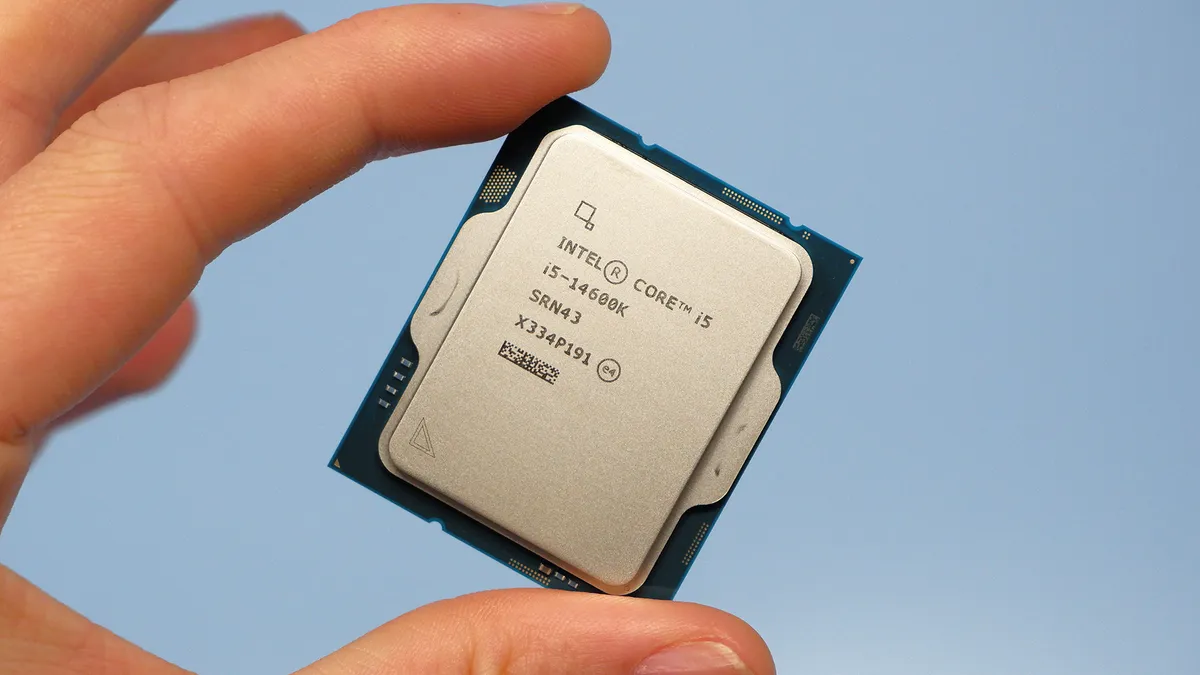
Forget Arrow Lake Plus, Nova Lake and even Razer Lake AX. The future for Intel is the past in the form of Raptor Lake CPUs. Well, kinda. The company has just said that the Raptor Lake generation of chips is "not going anywhere" and will "continue to be abundantly available."
Speaking to Club386, Intel VP Robert Hallock (who our Nick chatted to recently about Intel's new Arrow Lake Plus chips) explained that Raptor Lake is, "still really, really good, even with multiple generations of hardware from other vendors coming after it, so it’s not going anywhere. I want people to understand that Raptor Lake will continue to be abundantly available."
However, it seems part of Intel's thinking here involves support for DDR4 memory to complement DDR5. "You’ve also seen some new motherboard announcements that support both DDR4 and 5 on Raptor Lake, as kind of like a bridge between worlds for people. That is reflective of our overall confidence and expectations." Hallock says.
Clearly, DDR4 support gives gamers more options in the current context of acutely constrained memory supply thanks to the AI boom. Right now, 32 GB DDR4 kits can be had on Newegg for around $200 and up. But you're looking at more like $350 plus for DDR5. That's quite the delta. Given SSD and GPU prices are also pretty painful, that's a worthwhile saving for anyone desperately trying to keep the cost of a new rig build in check.
Of course, DDR4 prices are as volatile, too. But having more options is surely a good thing. If DDR4 spikes, maybe DDR5 will then become an option, and so on. And, of course, some gamers may have DDR4 memory to hand in an existing rig, sidestepping the need to buy memory altogether.
Given the memory crisis is widely expected to continue at least through 2027 and perhaps beyond, you'd have to think Intel has a similar time horizon in mind for Raptor Lake production. In which case, we'll be in a scenario where Intel launches Nova Lake and has fully three generations of CPU in production: Nova Lake, Arrow Lake and Raptor Lake.
Indeed, could it even be possible that Intel sunsets Arrow Lake but keeps Raptor Lake in production? Given Arrow Lake doesn't support DDR4 and hasn't been a roaring success, you have to think that's a possibility. It would actually make sense.
Nova Lake provides the modern platform, the latest features and, at the high end, the best performance. Raptor Lake, meanwhile, offers a budget option that still delivers decent performance. Makes sense to us, anyway.
The slight caveat to all this involves the widely publicised stability and reliability issues with 13th and 14th Gen Raptor Lake chips. But those can probably be considered resolved, at least for chips being bought new as opposed to any existing CPUs that were damaged.
1. Best overall:
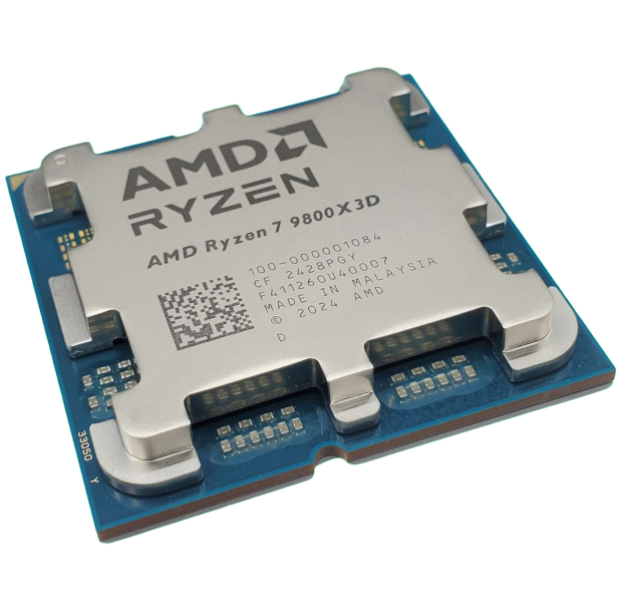
AMD Ryzen 7 9800X3D
2. Best budget:
AMD Ryzen 5 5500
3. Best mid-range:
Intel Core Ultra 5 250K Plus
4. Best high-end:
AMD Ryzen 9 9950X3D
5. Best AM4 upgrade:
AMD Ryzen 7 5700X3D
6. Best CPU graphics:
AMD Ryzen 7 8700G

You must confirm your public display name before commenting
Please logout and then login again, you will then be prompted to enter your display name.