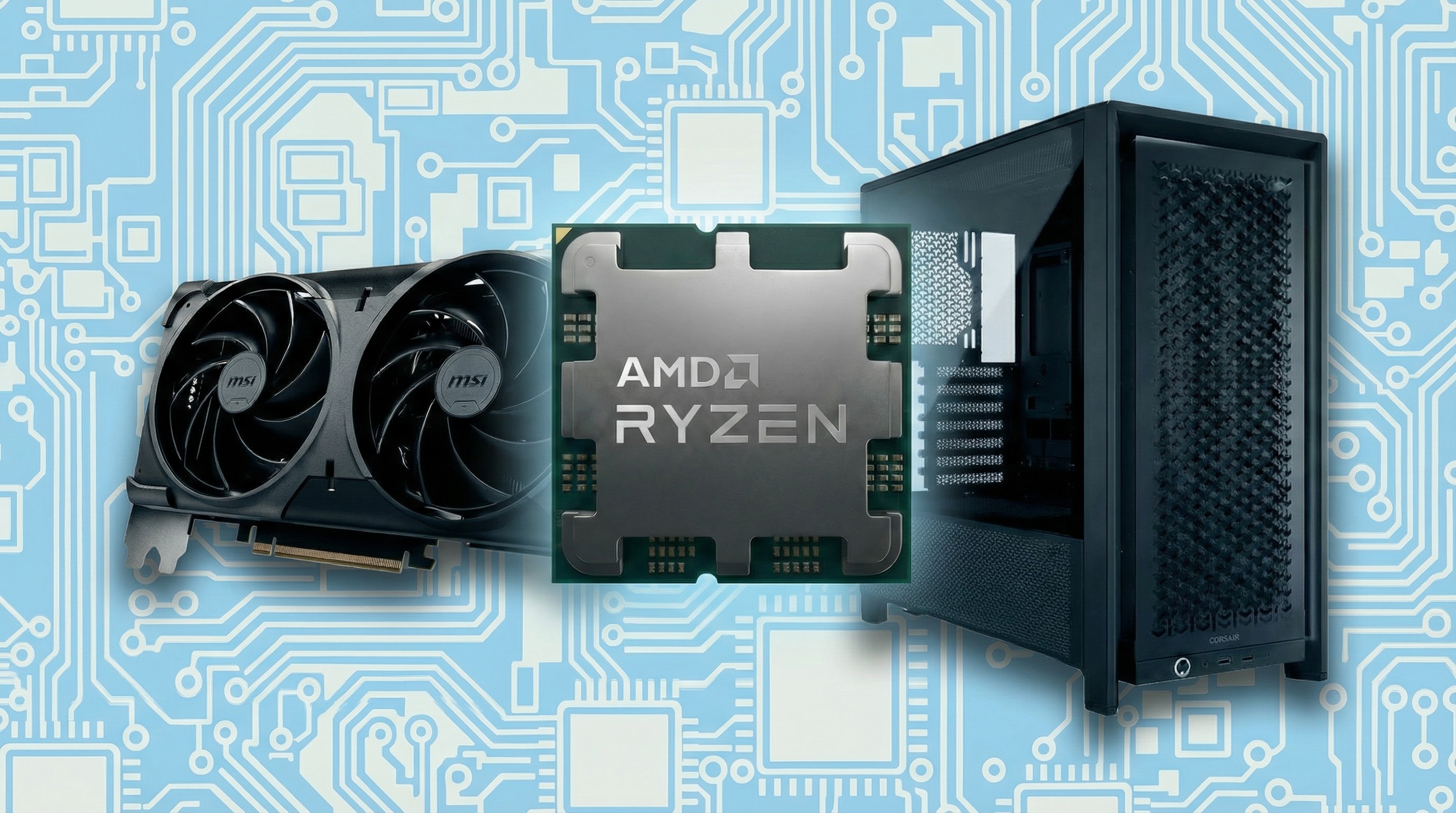
AMD has added the potential effects of the RAMpocalypse into its risk statements: 'There is currently an industry-wide memory shortage as the demand for such components has outpaced supply'
'If we are not able to procure a stable supply of materials, including memory... we could experience a supply shortage or an increase in production costs."
Keep up to date with the most important stories and the best deals, as picked by the PC Gamer team.
You are now subscribed
Your newsletter sign-up was successful
Want to add more newsletters?
Every Friday
GamesRadar+
Your weekly update on everything you could ever want to know about the games you already love, games we know you're going to love in the near future, and tales from the communities that surround them.
Every Thursday
GTA 6 O'clock
Our special GTA 6 newsletter, with breaking news, insider info, and rumor analysis from the award-winning GTA 6 O'clock experts.
Every Friday
Knowledge
From the creators of Edge: A weekly videogame industry newsletter with analysis from expert writers, guidance from professionals, and insight into what's on the horizon.
Every Thursday
The Setup
Hardware nerds unite, sign up to our free tech newsletter for a weekly digest of the hottest new tech, the latest gadgets on the test bench, and much more.
Every Wednesday
Switch 2 Spotlight
Sign up to our new Switch 2 newsletter, where we bring you the latest talking points on Nintendo's new console each week, bring you up to date on the news, and recommend what games to play.
Every Saturday
The Watchlist
Subscribe for a weekly digest of the movie and TV news that matters, direct to your inbox. From first-look trailers, interviews, reviews and explainers, we've got you covered.
Once a month
SFX
Get sneak previews, exclusive competitions and details of special events each month!
A look through AMD's recently released financial reports shows an interesting addition compared to the previous year. In its list of risk factors to its business (a required part of a Form 10-K filing) and under a section entitled "Economic and market uncertainty may adversely impact our business and operating results", AMD makes mention of the current memory supply crisis.
"Adverse changes in economic conditions could increase costs of memory, equipment, materials or substrates and other supply chain expenses.", says AMD. "For example, there is currently an industry-wide memory shortage as the demand for such components has outpaced supply.
"The price of memory has also increased as a result of the shortage. If we are not able to procure a stable supply of materials, including memory, on an ongoing basis and at reasonable costs to meet our production requirements, we could experience a supply shortage or an increase in production costs, which could negatively impact our gross margin and materially adversely affect our business."
A glance through last year's Form 10-K report shows much of the same language in the same section, but with no specific mention of memory shortages or its pricing.
On the surface, this seems pretty obvious. The term "RAMpocalypse" was far from our lips for most of last year, as the current shortage brewed into an ongoing crisis towards the end of 2025. However, it's telling that AMD feels the need to add it specifically into its latest risk factor statements.
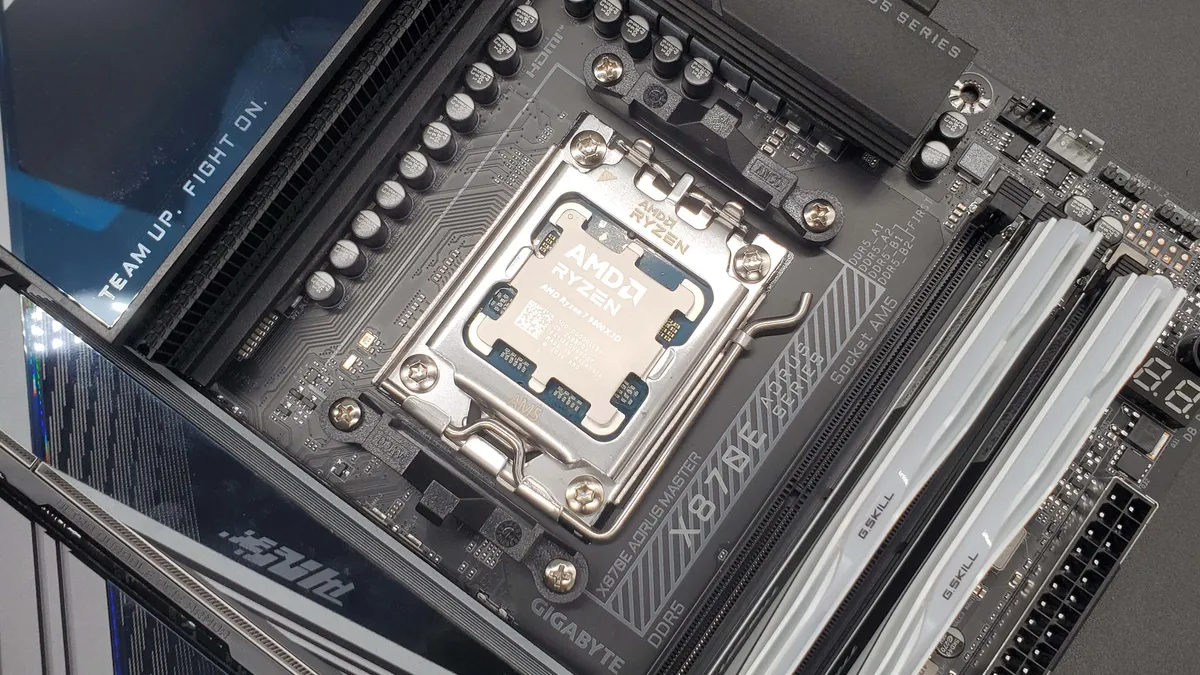
After all, most of its products are reliant on DRAM modules in some form or fashion, like most modern electronic devices. And while AMD does not directly manufacture memory itself, it does keep several long-term strategic partnerships with established memory manufacturers to ensure that DRAM is available to both itself and those that go on to sell its products, like board partners for graphics cards.
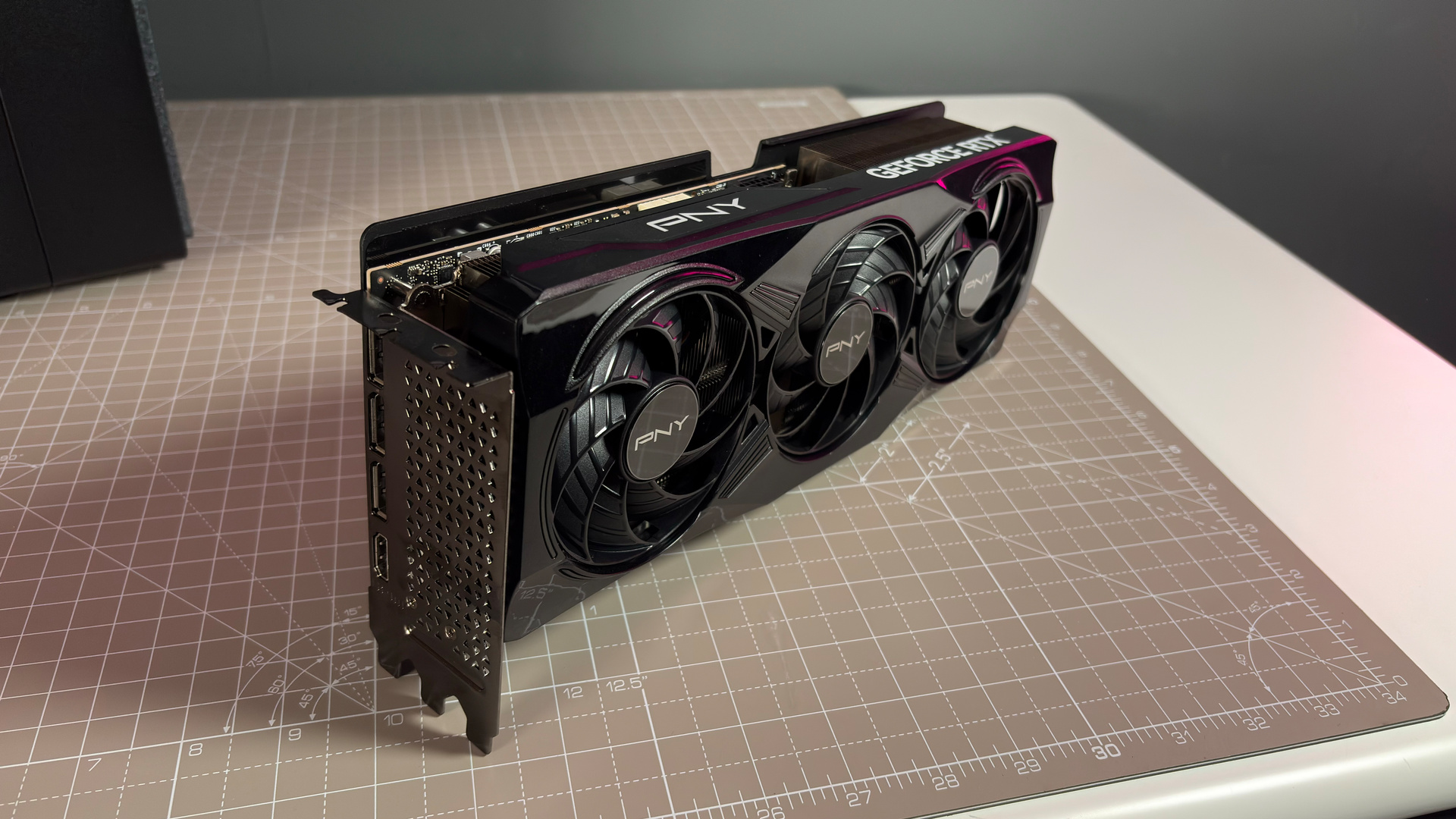
On the other side of the aisle, Zotac, a graphics card manufacturer that supplies Nvidia GPUs, recently said that the current situation was: "extremely serious—serious enough to raise concerns about the very survival of graphics card manufacturers and distributors going forward"
Keep up to date with the most important stories and the best deals, as picked by the PC Gamer team.
Looking to the wider market, however, memory pricing becomes an issue across the chain. AMD may have had a bumper year for CPU sales in both the desktop and mobile segments, for example, but if customers begin putting off upgrades (or are reluctant to buy new machines because memory prices are pushing up the MSRP), that effect will surely be felt in its processor sales, too.
Of course, AMD has an obligation to declare all the potential risks to its business, and so this could just be an example of ever-expanding boiler plate. However, it's another example of the wide-reaching potential effects of this... situation we all find ourselves in. May you live in interesting times, as the old adage goes.
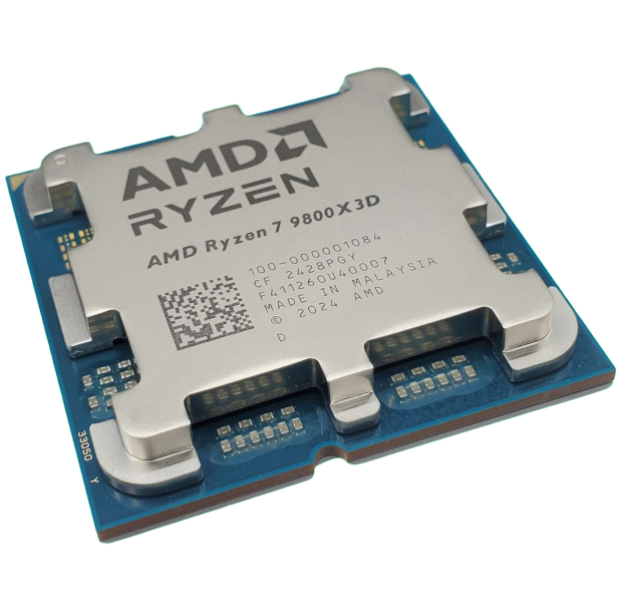
1. Best CPU: AMD Ryzen 7 9800X3D
2. Best motherboard: MSI MAG X870 Tomahawk WiFi
3. Best RAM: G.Skill Trident Z5 RGB 32 GB DDR5-7200
4. Best SSD: WD_Black SN7100
5. Best graphics card: AMD Radeon RX 9070
👉

Andy built his first gaming PC at the tender age of 12, when IDE cables were a thing and high resolution wasn't—and he hasn't stopped since. Now working as a hardware writer for PC Gamer, Andy spends his time jumping around the world attending product launches and trade shows, all the while reviewing every bit of PC gaming hardware he can get his hands on. You name it, if it's interesting hardware he'll write words about it, with opinions and everything.
You must confirm your public display name before commenting
Please logout and then login again, you will then be prompted to enter your display name.