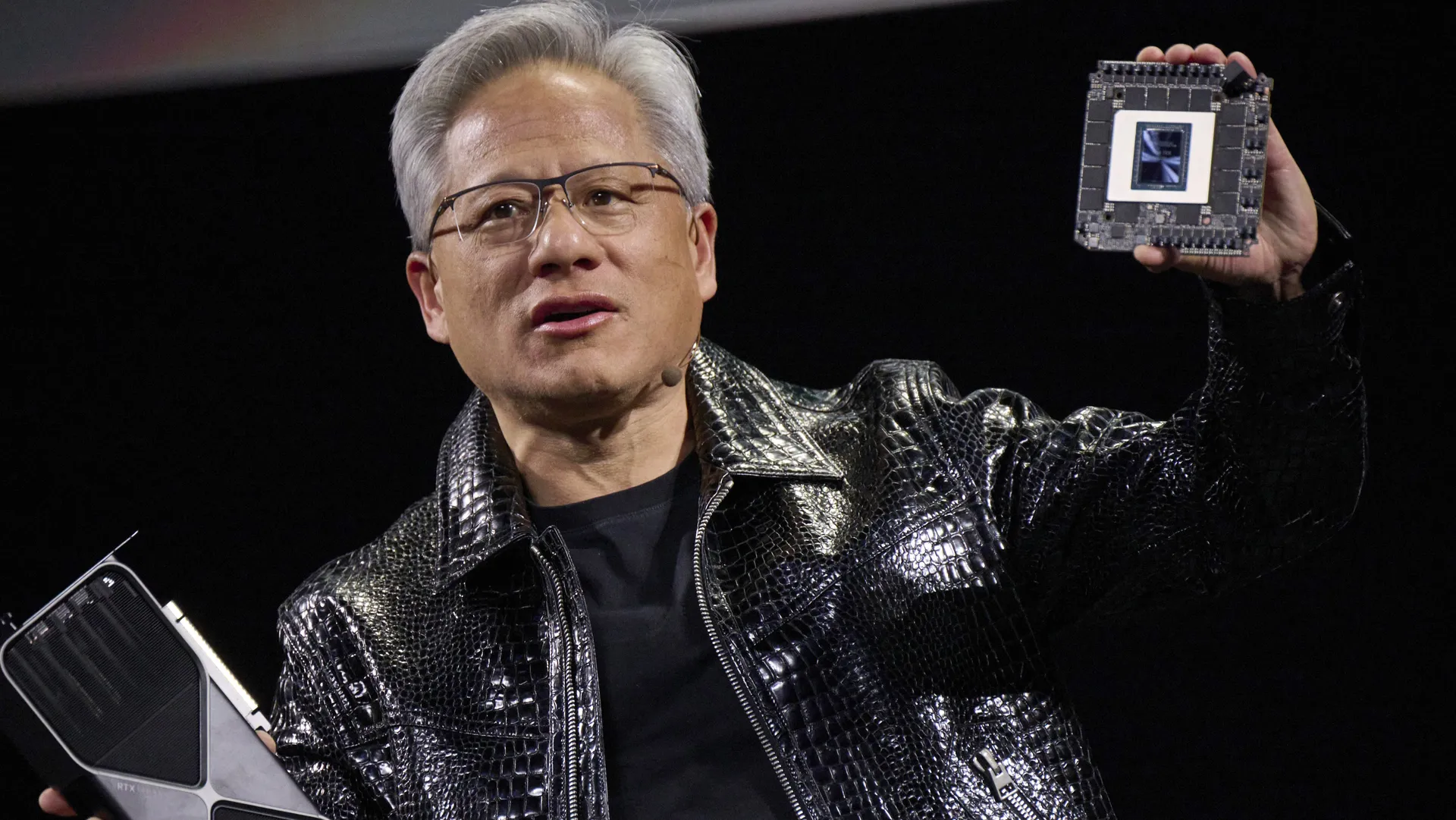
Nvidia CEO Jensen Huang sat down for a discussion at the Morgan Stanley Technology, Media and Telecom Conference yesterday and spoke on a variety of topics, including his company's place within the gaming industry.
However, the discussion then ranged into AI and data center topics, which is no surprise given Nvidia's recent stratospheric revenue announcements for the data center side of its business.
"I love constraints. And the reason for that is because in a world of constraint, you have no choice but to choose the best. You can't squander your choice. If the data centers—if the land power and shell is constrained, you're not going to randomly put something in there just to try it out.

"You're going to put something that you know for certain is going to deliver the tokens per watt, that you know for certain is going to allow you, from the moment you secure the capacity, we're going to be able to stand up an entire factory for you. We're the only company in the world that can come into your company and help you stand up an entire AI factory."
"The second thing is Nvidia is, as you mentioned, working at such a large scale", Huang continued. "One of the things that we do with our capital is to secure supply chain, so that when [Microsoft CEO] Satya [Nadella] asked me to help them stand up a few gigawatts, the answer is no problem.
"And the reason for that is, I've got all the memories, I've got all the wafers, I got all the CoWoS. I've got all the packaging, I've got all the systems, I've got all the connectors, I got all the cables. Everything from copper to multilayer ceramic capacitors, everything is secured. That's one of the reasons why Nvidia's balance sheet being strong is so strategic."
That's certainly good for Nvidia. Given the company's vast economic capabilities at the moment (Nvidia is valued at $4.48 trillion at the time of writing), it can use its considerable funds to secure supplies for its hardware in ways that other providers could merely dream of.
However, it does leave the rest of the market with relatively little to work with, something that is very advantageous for the green team, and considerably less so for various other companies.
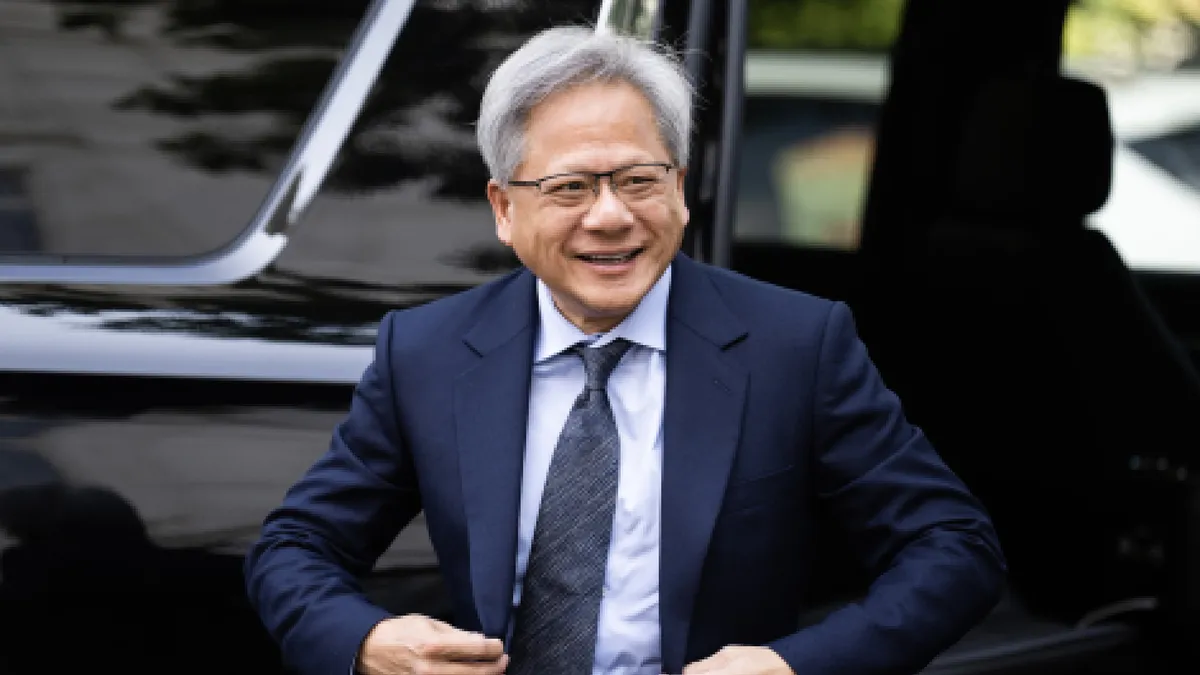
Speaking specifically about memory, Huang said: "If you set up a factory, a plant—a DRAM plant—and I come in and say, you know what, go ahead and set up the DRAM plant because I'm going to use it. That goes a long way. You might as well take that to the bank, as many of them have. And so I think the fact that everything is scarce is fantastic for us."
And why would the Nvidia head honcho think otherwise? With its AI hardware continuing to experience phenomenal demand, and enough money (and reputation) in stock to allow for favourable contracts and a first-in-line position for manufacturing capability, the future sure looks rosy for both Nvidia and Huang right now. And, indeed, the companies that work with it.
That being said, while fears of an AI bubble continue to rumble on in the background (despite Huang, and others, protestations to the contrary), and the financial market's occasional wobble in response to the potential knock-on effects of our brave new, AI-focussed world, it's something of a guessing game as to how long this vast AI expansion can continue.
And indeed, whether suppliers can ever hope to keep up, even with mass expansion plans for chipmaker TSMC and memory manufacturers well underway.

In an a small part of Nvidia's earning call opening remarks, chief financial officer Colette Kress did make mention of supply constraints being "the headwind to gaming in Q1" and beyond, so perhaps the effects of all this data-focussed expansion may be a small issue for Nvidia there.
For the rest of its hardware stack, though, Kress seemed very confident, echoing Huang's statements by saying the company had "strategically secured inventory and capacity to meet demand beyond the next several quarters."
It's alright for some, I guess. Anyone got any spare memory modules going cheap? I know a few million gamers that might be interested.
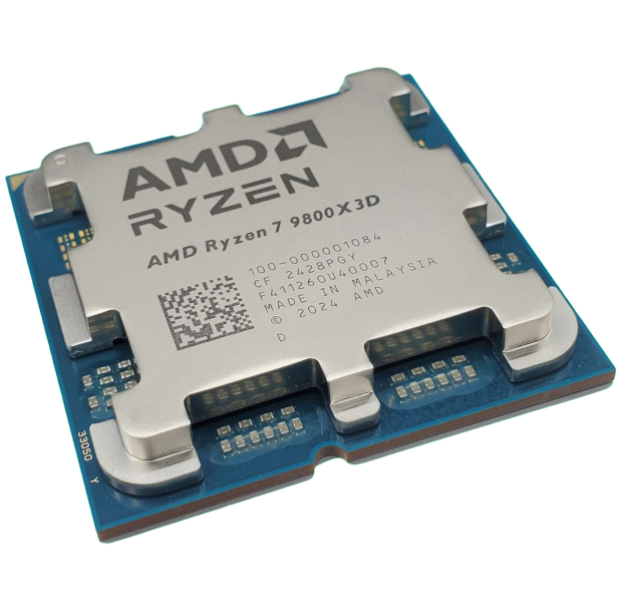
1. Best CPU: AMD Ryzen 7 9800X3D
2. Best motherboard: MSI MAG X870 Tomahawk WiFi
3. Best RAM: G.Skill Trident Z5 RGB 32 GB DDR5-7200
4. Best SSD: WD_Black SN7100
5. Best graphics card: AMD Radeon RX 9070

You must confirm your public display name before commenting
Please logout and then login again, you will then be prompted to enter your display name.