I did not expect to be talking about PhysX in 2025. The technology came out when I was still in school and today I'm at an age where buying a motor vehicle could be described as a midlife crisis. No, PhysX hasn't been relevant for a while. Or so I thought…
Earlier this year, Nvidia pulled support for 32-bit CUDA applications with its newest generation graphics cards, the RTX 50 series. With it gone, it's no longer possible to natively run 32-bit games with hardware-accelerated PhysX effects.
Article continues belowBatman: Arkham City
From my figures below, you get a good idea of the sort of performance impact a lack of PhysX acceleration means for some of these older games. My test system remained the same between runs, it's only the graphics card that changed. I also unlocked the frame rate via the config files.
Avg (fps) | 1% low (fps) | |
|---|---|---|
RTX 5080 (PhysX High) | 50 | 31 |
-> PhysX Off | 274 | 179 |
Difference | -81.75% | Row 2 - Cell 2 |
RTX 4080 Super (PhysX High) | 144 | 90 |
-> PhysX Off | 254 | 175 |
Difference | -43.31% | Row 5 - Cell 2 |
CPU (PhysX High) | 50 | 31 |
PC Gamer test platform
Supplied by Cyberpower | MSI
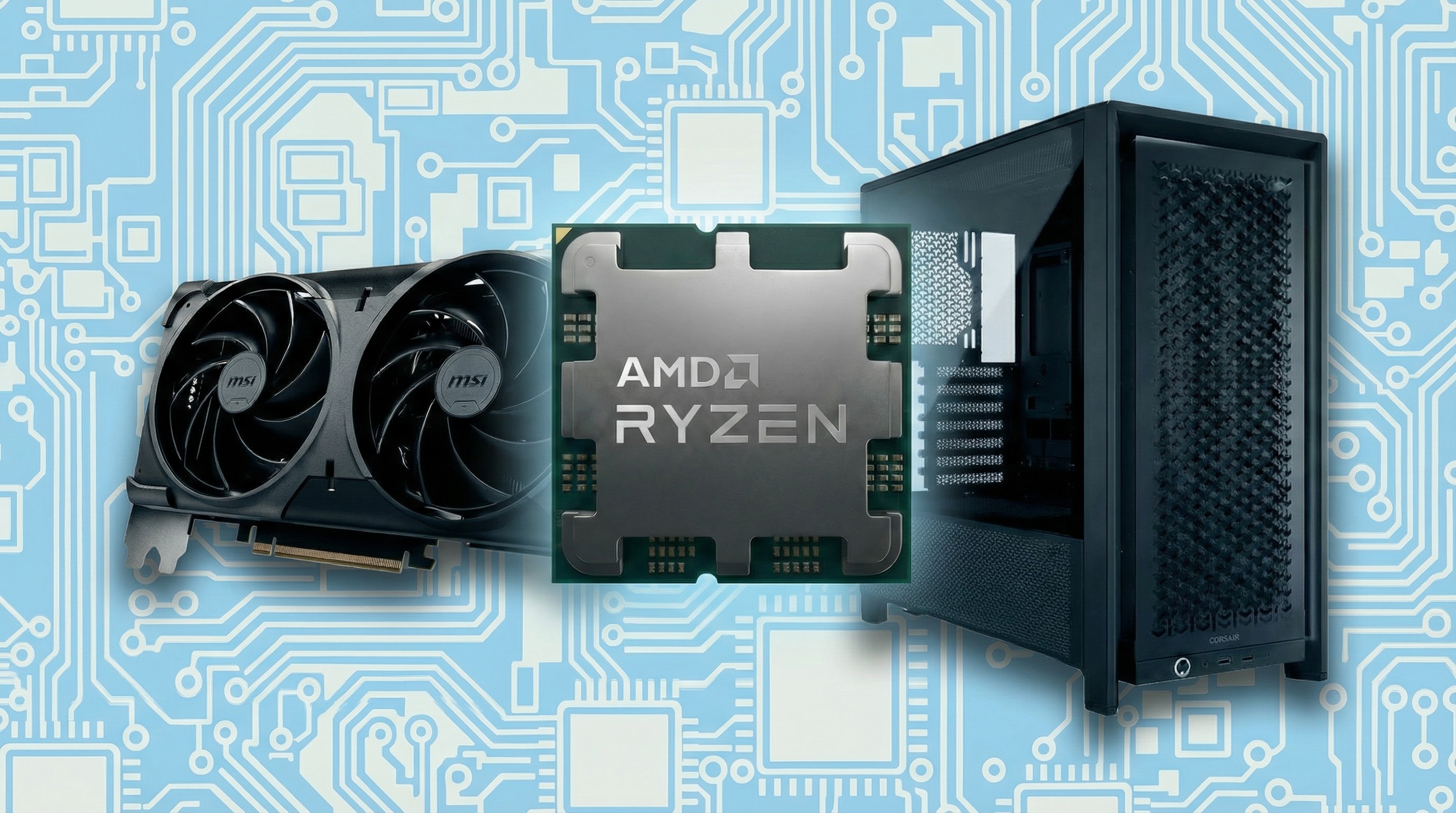
CPU: AMD Ryzen 7 9800X3D | Motherboard: MSI MPG X870E Edge Ti WiFi | RAM: Kingston Fury Beast RGB 32 GB (2 x 16 GB) @ 6,000 MT/s | Cooler: MAG CoreLiquid i360 White | SSD: Spatium M480 Pro 2 TB | PSU: MPG A1000GS PCIe 5 | Case: MAG Pano 100R White
There's a large reduction in performance when enabling PhysX on the RTX 50-series card, double that of the RTX 40 series.
Batman: Arkham Asylum has not been included in the first wave to receive per-game driver support, though Nvidia has plans to add it in the new year. That means disabling PhysX altogether is likely your best bet on newer cards.
Batman: Arkham City is a good test subject, however, as it offers lots of PhysX features and received support in Nvidia's latest driver package, 591.44. Testing first with 581.29 (before per-game PhysX support was introduced), there's a large disparity between the RTX 5080 and RTX 4080 Super with PhysX enabled.
At times, you'll see the RTX 5080 system exceed the performance of the RTX 4080 Super system, but that's only until the CPU becomes the bottleneck during certain scenes with PhysX effects. The final scene is the most telling, with the RTX 5080 system dropping to 41 fps on average whereas the RTX 4080 Super system is happily over 100 fps.
Avg (fps) | 1% low (fps) | |
|---|---|---|
RTX 5080 (PhysX High) | 84 | 41 |
-> PhysX Off | 216 | 165 |
Difference | -61.11% | |
RTX 4080 Super (PhysX High) | 118 | 81 |
-> PhysX Off | 153 | 122 |
Difference | -22.88% | |
CPU | 85 | 42 |
However, with the latest driver package, 591.44, the RTX 5080 is able to close the gap slightly with a 14% improvement.
That is, despite a strange dip in the first scene where it performs notably worse than the previous drivers. Though that scene doesn't appear to have as many PhysX effects as later ones, during which performance can be as nearly doubled using the latest drivers.
| Header Cell - Column 0 | Avg (fps) | 1% low (fps) |
|---|---|---|
RTX 5080 | 591.44 | 96 | 71 |
RTX 5080 | 581.29 | 84 | 41 |
Difference | 14.29% |
Notably, I was unable to get the RTX 5080 to perform as well as the RTX 4080 Super in Arkham City, despite the driver support. Perhaps that's indicative of some sort of overhead with the translation process behind the scenes, though I've seen a few users report performance improving to more or less parity with the RTX 40-series. So it may differ depending on the game and PhysX implementation—Arkham Asylum is clearly a trickier title to sort, for example.
Though the new drivers have lifted performance to above 60 fps, even the 1% lows, and the game feels much smoother to play for it.

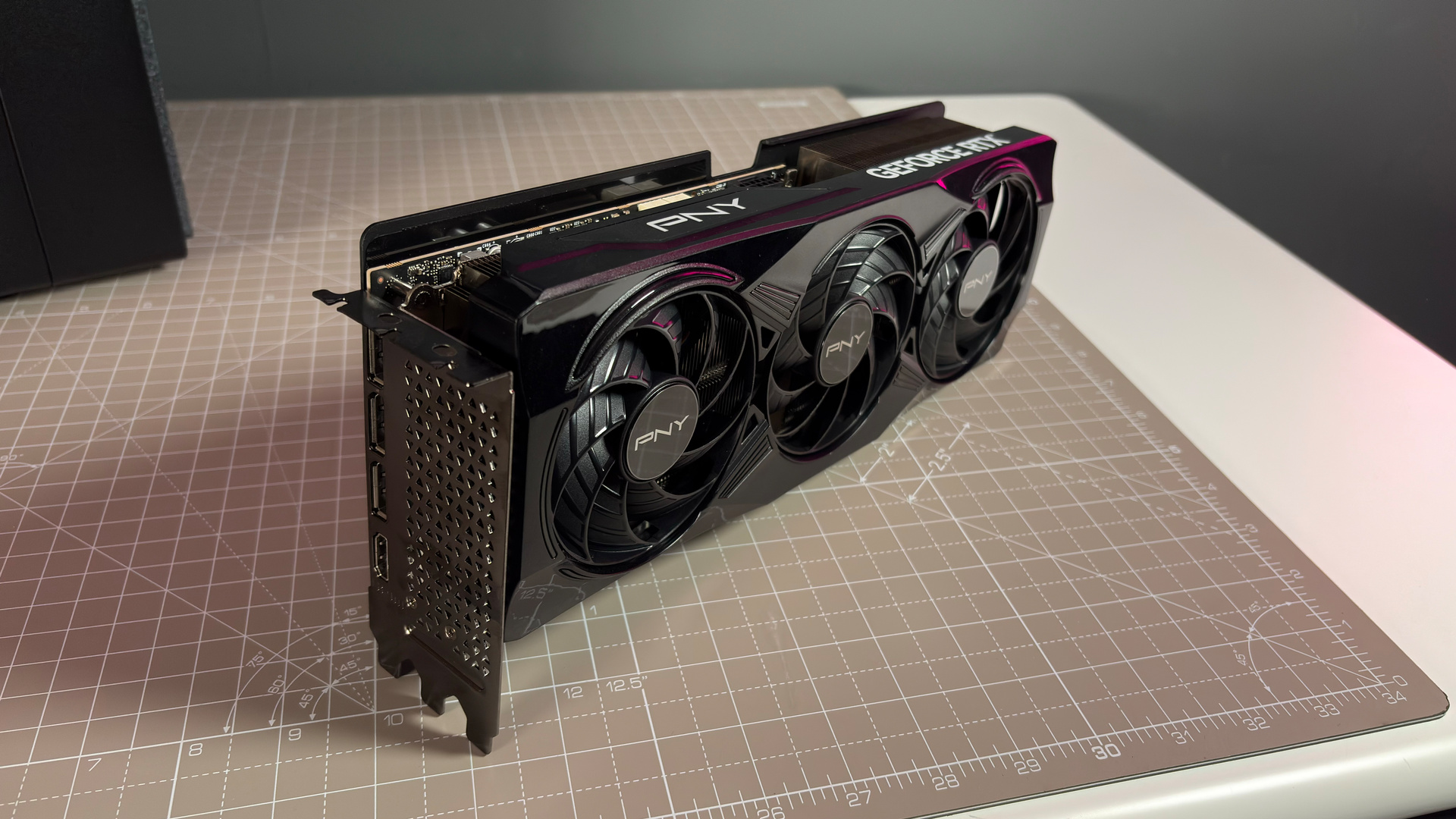
Curiosity got the better of me here and I've also run some tests on the same system with both RTX 5080 and RTX 4080 Super installed. I had hoped to install the GTX 1080 I've had sat on a shelf gathering dust since upgrading, though the PSU on my test bench has dual 12V-2x6 connectors and doesn't provide enough 8-pin PCIe cables. So, Ada and Blackwell it is.
The combination of two large graphics cards within a confined fish tank case with minimal direct airflow is very much not ideal for thermals. Alas, by setting the RTX 4080 Super to be a dedicated PhysX card in the Nvidia Control Panel, it doesn't really run that hot. So it's only by restricting the fans on the RTX 5080 above that the Blackwell card runs a bit toastier. Ah well, it'll live, and this combination delivers the best performance by a good distance.
| Header Cell - Column 0 | Avg | 0.01 |
|---|---|---|
RTX 5080 + RTX 4080 Super | 591.44 | 141 | 79 |
RTX 5080 | 591.44 | 96 | 71 |
RTX 4080 Super | 581.29 | 118 | 81 |
I've surprised myself with how much I've come to appreciate PhysX on these games. I went into this expecting to be underwhelmed and agreeing with the 'just turn it off' crowd. But it does make a big difference.
I can see the argument for ditching 32-bit support—it's been a long time coming—and yet it feels like the right move to keep some sort of support for these PhysX games going. If the PC isn't the place to keep old games alive, where the heck is?
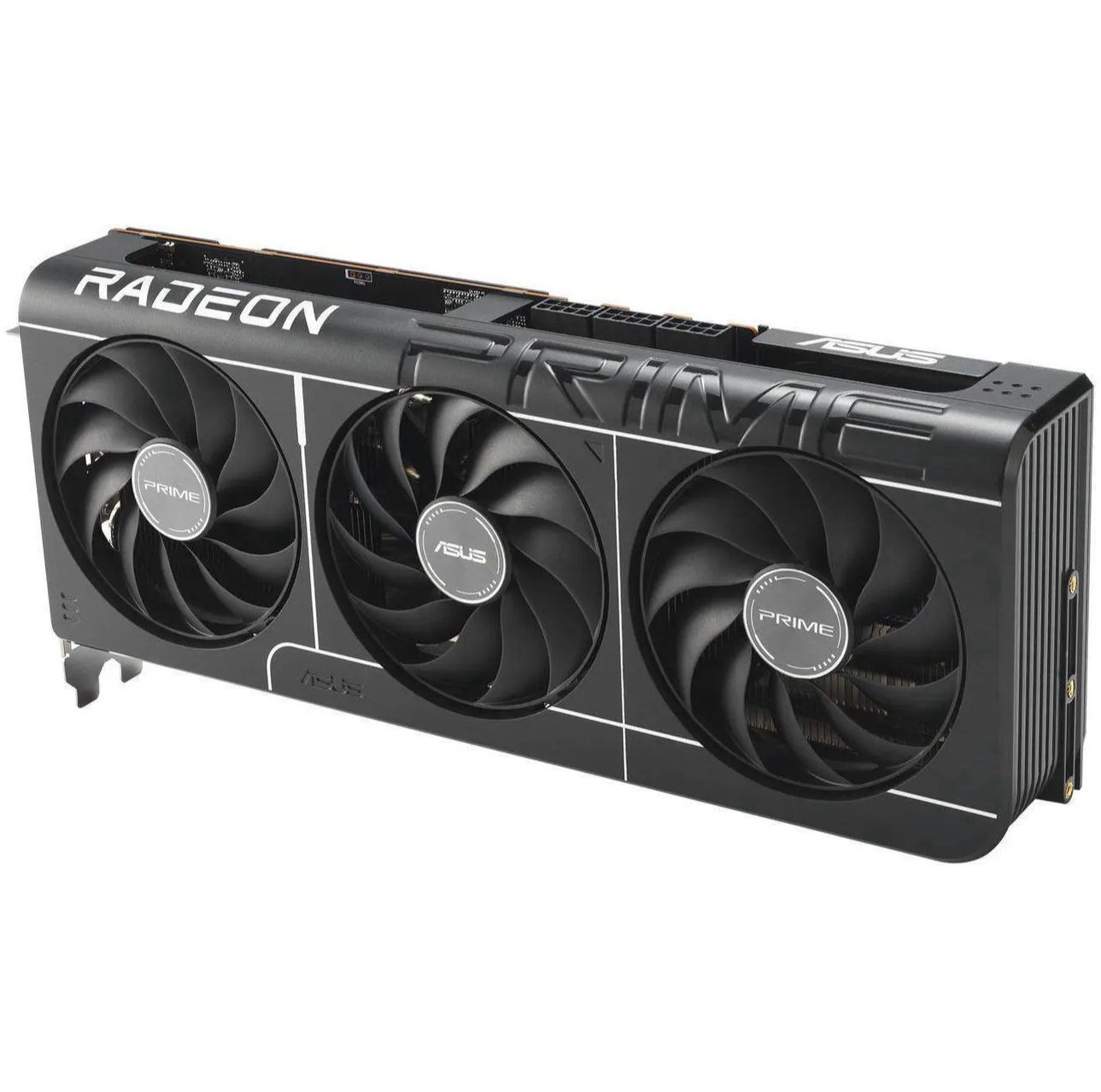
1. Best overall: AMD Radeon RX 9070
2. Best value: AMD Radeon RX 9060 XT 16 GB
3. Best budget: Intel Arc B570
4. Best mid-range: Nvidia GeForce RTX 5070 Ti
5. Best high-end: Nvidia GeForce RTX 5090

You must confirm your public display name before commenting
Please logout and then login again, you will then be prompted to enter your display name.