Join The Club






As AI continues to make its way into every walk of life, it seems like it has boldened and bolstered bad actors, with the FBI reporting crime complaints almost 20% higher than the previous year. Its latest analysis reports over 1,000,000 complaints in 2025.
The FBI reports that, among the $21 billion lost to cybercrime in 2025, "cryptocurrency and artificial intelligence-related complaints [were] among the costliest."
Among those hit hardest were holders of cryptocurrency who, with 181,565 complaints, totalled $11 billion in losses. Cryptocurrency holders are often targeted by hacks and scams, partly because one can obfuscate wallets through many transactions, but also partly because it's a newer technology with less regulation, where owners are encouraged to store large amounts of cash at once.
Notably, despite only making up 22,364 complaints in 2025, Americans lost nearly $893 million in scams. AI-led scams have been more and more popular recently. Google published a report in February on all the ways that threat actors are using AI to hack victims, and speed up efficiency in hacking organisations, and last October, it was revealed that people fall for AI phishing attempts 4.5 x more than human ones.

And AI-led scams only threaten to get worse with time. At the start of the year, we saw a complicated 'social engineering scam' where people used deepfaked versions of CEOs to garner trust, with victims being redirected towards a troubleshooting software that would then get into their devices.
This is something noted in the FBI's report: "Scammers rely on pressure techniques to defraud Americans while deploying fake social profiles, voice clones, identification documents, and believable videos depicting public figures or loved ones."
With so many of the most noteworthy AI cybercrimes only being spotted at the start of this year, it's hard to imagine next year's cybercrime stats being any better. One can only hope that, as these scams get smarter, our defences get smarter in turn.
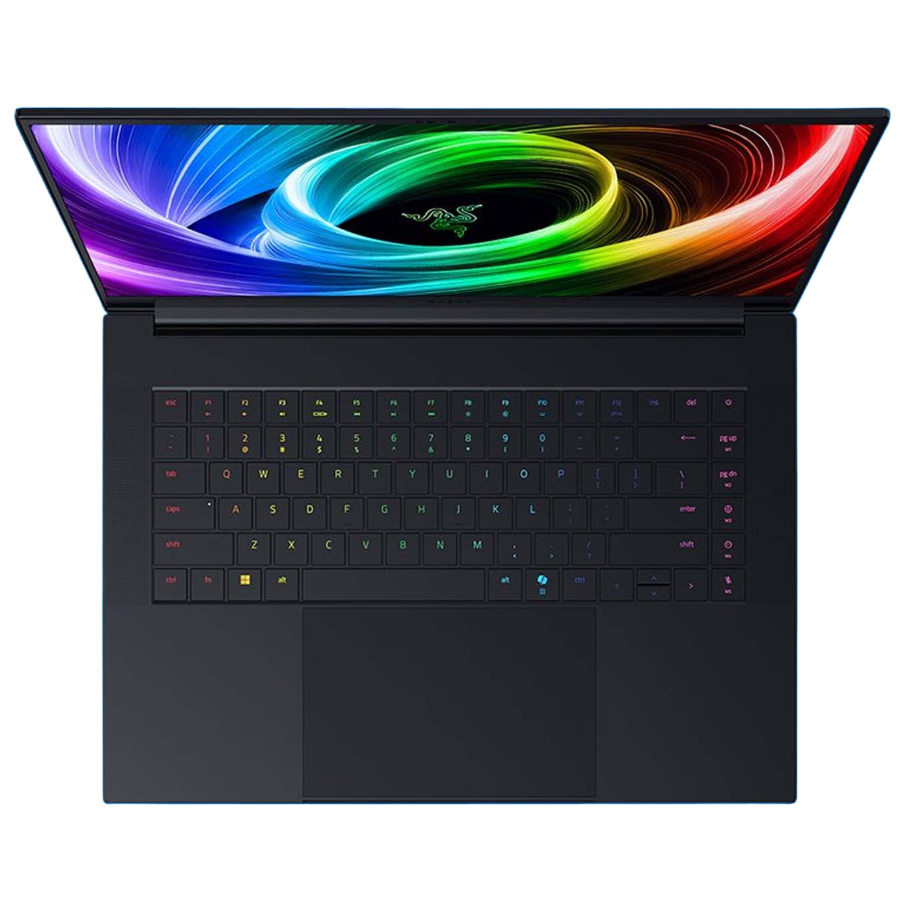
1. Best gaming laptop: Razer Blade 16
2. Best gaming PC: HP Omen 35L
3. Best handheld gaming PC: Lenovo Legion Go S SteamOS ed.
4. Best mini PC: Minisforum AtomMan G7 PT
5. Best VR headset: Meta Quest 3

You must confirm your public display name before commenting
Please logout and then login again, you will then be prompted to enter your display name.