If you've never heard of Q-Day, the moment when quantum computers become capable of breaking traditional encryption methods and exposing vast amounts of data, often referred to as the 'quantum apocalypse', then Google's latest announcement might come as something of a shock.
The company is giving itself a 2029 timeline to "secure the quantum era" by migrating over to post-quantum cryptography (PQC) methods before the old ones are broken by existing quantum computers. And being one of the primary players in the space, Google's hoping that if it starts making major changes now, the rest of the tech world might follow suit.
"As a pioneer in both quantum and PQC, it’s our responsibility to lead by example and share an ambitious timeline", the announcement reads. "By doing this, we hope to provide the clarity and urgency needed to accelerate digital transitions not only for Google, but also across the industry."
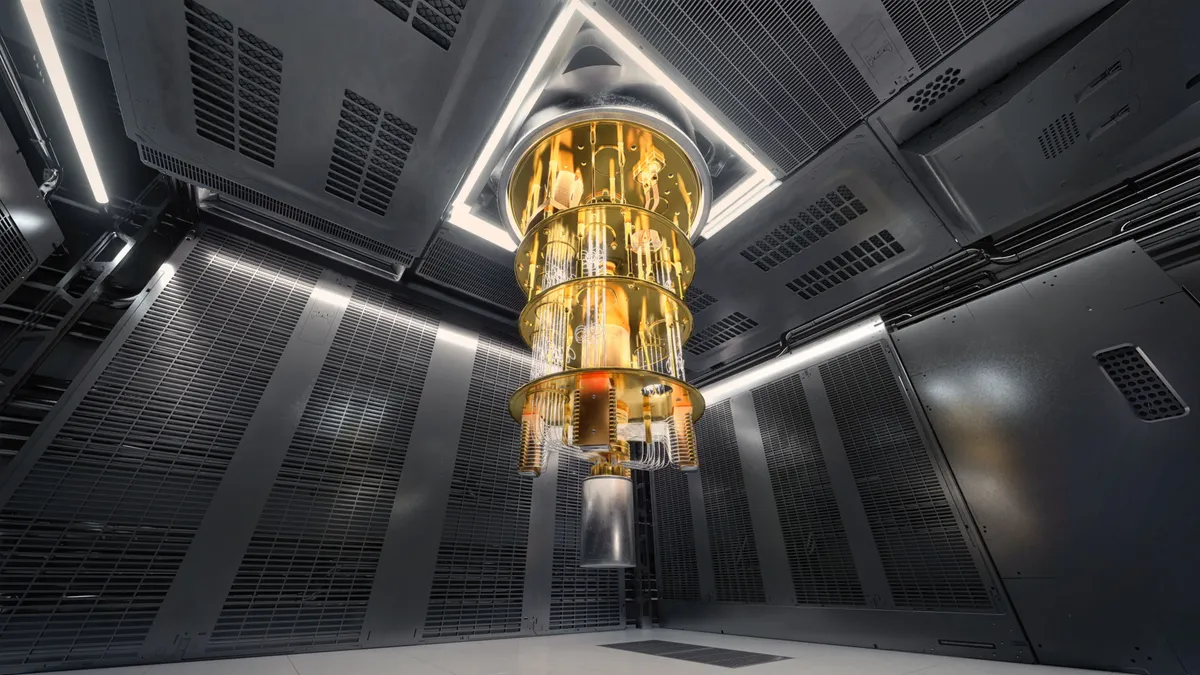
Google has often claimed significant (and debateable) advances in its quantum computer development over the years, so perhaps there's a touch of humble brag to this timeline, too. I've got a scary-powerful quantum computer and it's only getting better, that sort of thing.
Still, the threat of traditional cryptographic keys being broken in one quantum sweep appears to be a legitimate one, as evidenced by the preparation of organisations like the US National Security Agency (NSA). Until recently, however, the running joke was that Q-Day was always at least a decade away, a bit like viable nuclear fusion or Half Life 3. I know, I shouldn't have mentioned it.
This new timeline, though, would suggest that Google is earnestly concerned about the potential impacts of such an event and wants the world to speed up in its ongoing efforts to get ahead of it. Personally, I'm still trying (and failing) to wrap my brain around exactly how the company's quantum computing tech works, never mind the wide-ranging implications it might have for security measures going forward.
Anyway, the clever people need to hurry up, or security stuff gets all broken. That, I can get my head around. Thanks, Google. It's a brand new worry for my brain to gnaw on while I try to fall asleep tonight.
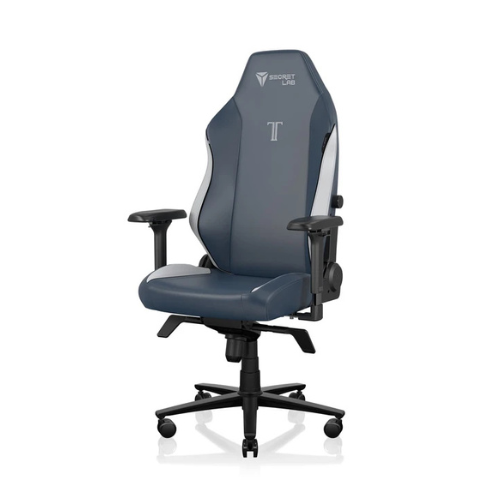
1. Best gaming chair: Secretlab Titan Evo
2. Best gaming desk: Secretlab Magnus Pro XL
3. Best gaming headset: Razer BlackShark V3
4. Best gaming keyboard: Asus ROG Strix Scope II 96 Wireless
5. Best gaming mouse: Razer DeathAdder V4 Pro
6. Best PC controller: GameSir G7 Pro
7. Best steering wheel: Logitech G Pro Racing Wheel
8. Best microphone: Shure MV6 USB Gaming Microphone
9. Best webcam: Elgato Facecam MK.2

You must confirm your public display name before commenting
Please logout and then login again, you will then be prompted to enter your display name.