Join The Club





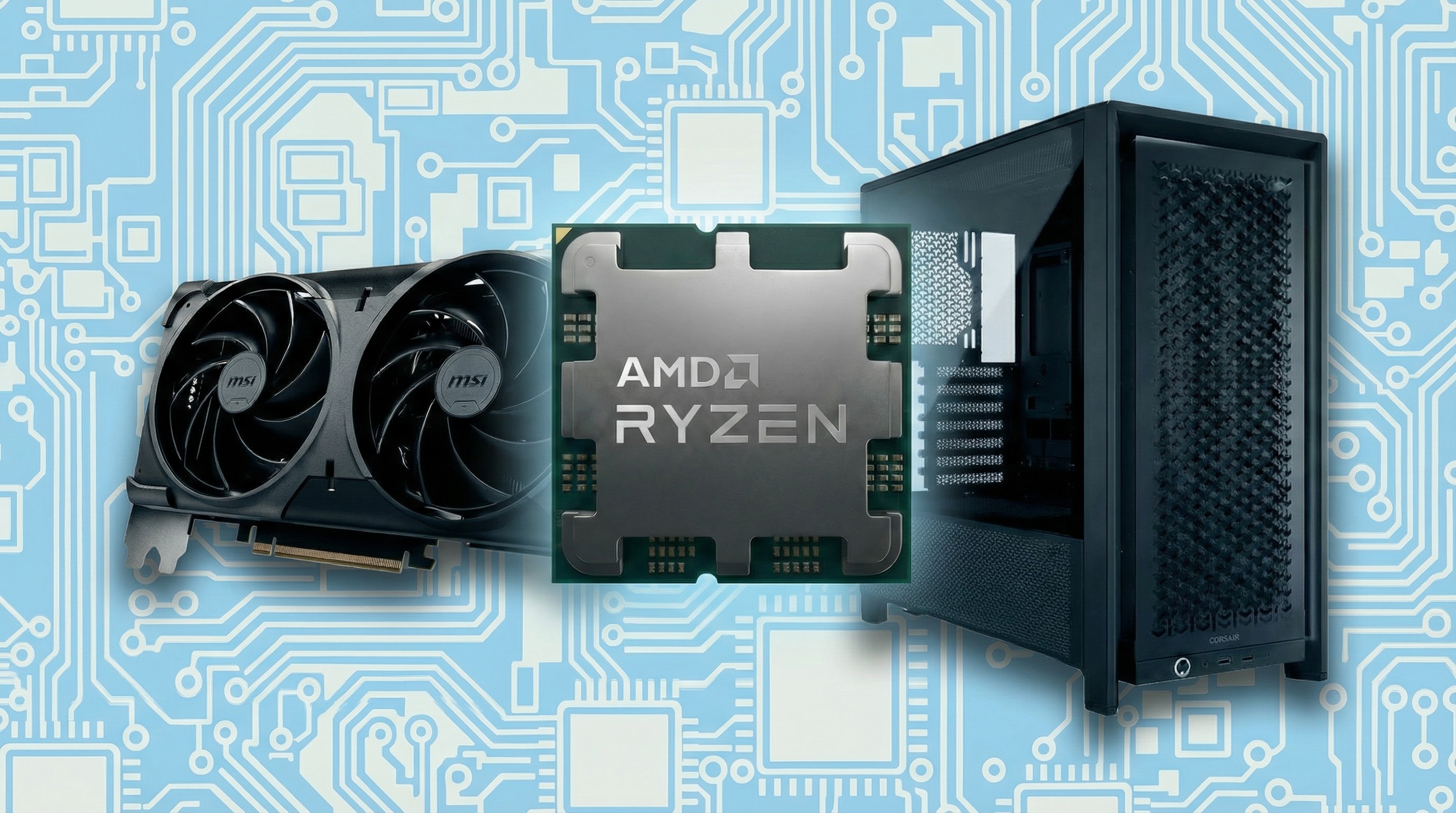
Natalie Vock, a Linux developer for Valve, has recently taken to their GitHub with a simple fix allowing rigs with less VRAM to run games better. Turns out applications in Linux will hog all the resources they can get, though if you have an Arch-based distro with an 8 GB card, things are about to get better for you.
To put it simply, you will need to get "some kernel patches as well as additional utilities to make use of the kernel capabilities properly." Vock recommends using the Arch-based CachyOS and installing the packages "dmemcg-booster" and "plasma-foreground-booster." From here, your games should start to run better on graphics cards with 8 GB of VRAM.
Vock notes that, to the kernel driver, all memory looks the same. It doesn't necessarily differentiate what it should be focusing on and why, so this fix uses cgroups to 'protect' certain uses of memory and figures out "how relatively important GPU memory allocations are."
If you aren't on CachyOS, the package files are available in AUR, and can be installed with either the CachyOS kernel package on a non-CachyOS system with a repository, or by compiling your own kernel.

As Vock suggests, "Maybe wait a bit" if you don't use an Arch-based distro, going on to add, "Eventually, I’d expect this to trickle down into more distros." They've also clarified that they plan on updating the GitHub if/when other distros get the trick working.
With the memory crisis currently raging and threatening to continue raising the price of memory, storage, and GPUs, now would be a painful time to upgrade, so holding out with that slightly older card should be a tad easier if you are on Linux.
With the 8 GB Steam Machine still expected to launch in the future, and powered by Arch-based SteamOS, one can assume it will see benefits from this fix, too. It might be why a Valve developer was looking into it in the first place.
"Instead of performance slowly degrading over time, games should perform much more stable - as long as the game itself doesn’t use more VRAM than you actually have."
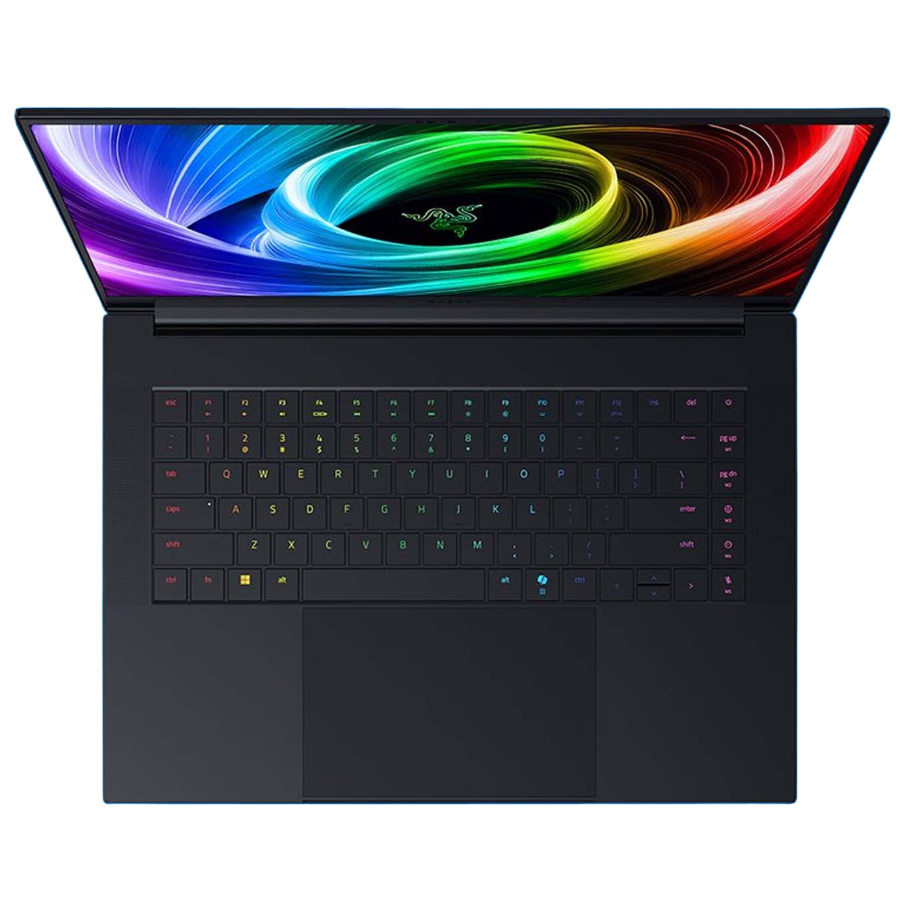
1. Best gaming laptop: Razer Blade 16
2. Best gaming PC: HP Omen 35L
3. Best handheld gaming PC: Lenovo Legion Go S SteamOS ed.
4. Best mini PC: Minisforum AtomMan G7 PT
5. Best VR headset: Meta Quest 3

You must confirm your public display name before commenting
Please logout and then login again, you will then be prompted to enter your display name.