Join The Club





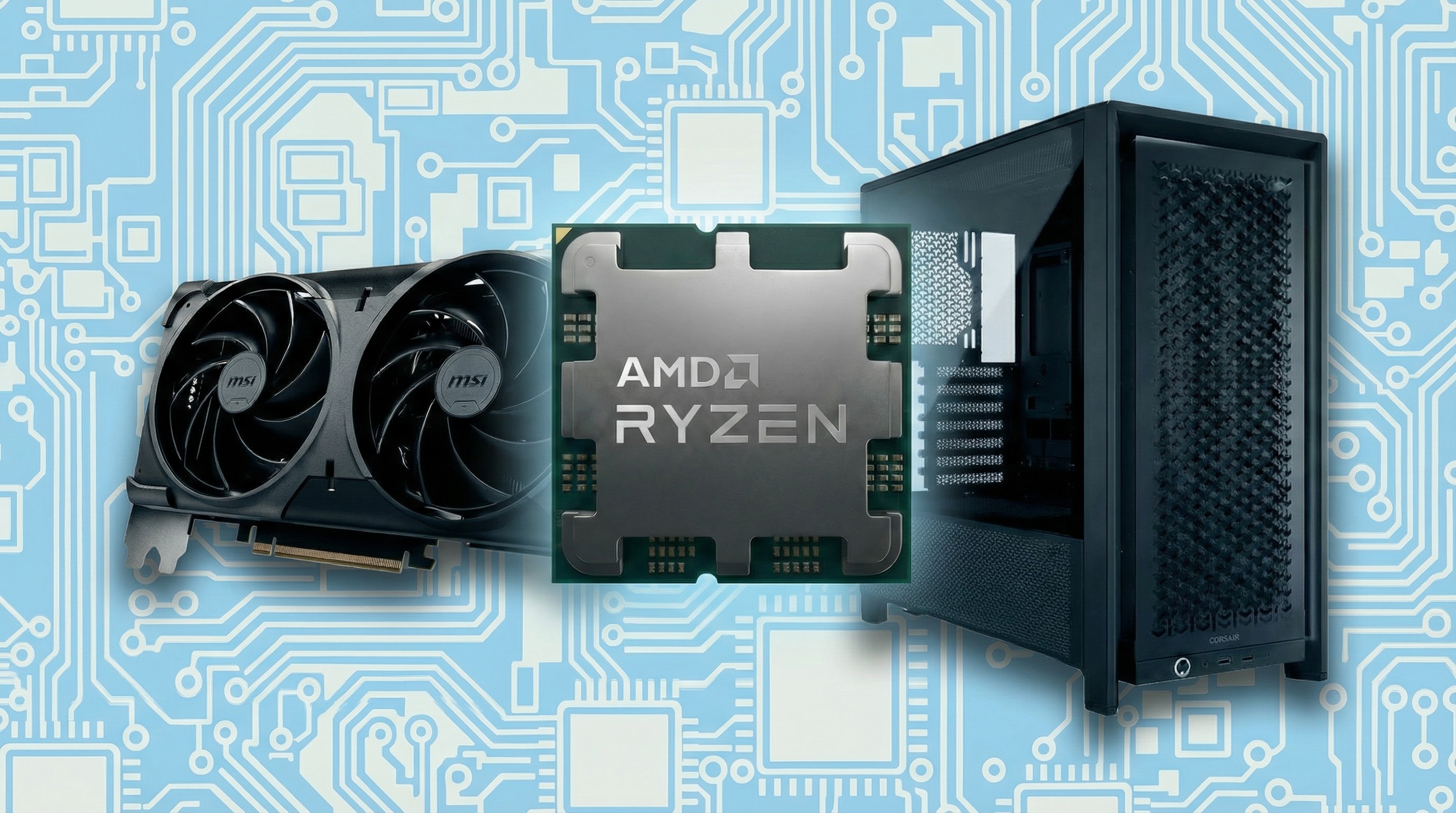
Now that the first quarter of 2026 has passed, data analysts and market researchers have been poring over the global PC shipping figures. According to International Data Corporation (IDC), it's actually been good news for computer manufacturers, as shipments have apparently grown by 2.5%, despite the global memory crisis. However, the forecast for the rest of the year is pretty gloomy.
That 2.5% growth in PC shipments is the average for the three primary markets—Americas, Asia Pacific, and EMEA (Europe, the Middle East, and Africa)—and in the case of the second and third of those, the growth rates were actually 4.3% and 7.4%, respectively.
Not that PC vendors are likely to be celebrating anyway. "While recording positive growth in this first quarter of 2026, the component shortages and deteriorating economic conditions have started to impact the PC market, as illustrated by a sharp decline in growth trends in every region. IDC believes that the remainder of the year will see further decline in PC shipments as system prices continue to rise."
"The Middle East conflict has injected a fresh layer of volatility into a fragile computing devices market, straining global logistics through a double-edged sword of rising energy costs and freight spikes," said Isaac Ngatia, senior research analyst, IDC Devices Research.

"On one hand, sea corridors continue to face ongoing disruption, especially ones connecting Asia and EMEA, on the other, pivoting to air freight has become more expensive. Ultimately, these premiums are trickling down the value chain, intensifying the pricing pressure of PCs on the end-users."
As things currently stand, according to IDC's research, Lenovo shipped the most PCs in the first quarter of 2026, just as it did in the same period last year, with 16.5 million units. HP is second with 12.1 million, with Dell not far behind at 10.3 million. Then it's a sizeable drop to the fourth and fifth positions, with Apple and Asus shipping 6.2 and 4.8 million units apiece.

IDC isn't the only market research company that's saying the PC market did well this quarter. Omdia says that the global shipments grew by 3.2% in Q1'26, compared to Q1'25, but it also notes that the rest of the year isn't going to fare anything like as well: "With supply-chain pressures still building, Q1’s modest growth is likely to mark the high point for the year,” said Ben Yeh, Principal Analyst at Omdia.
"Memory and storage costs are expected to rise further and more steeply than previously assumed from Q2, squeezing PC vendor gross margins and forcing them to pass costs through to channel partners and end-customers."
Look after your gaming PCs, folks, because it'll be a good few years before components and whole rigs become sensibly priced again.
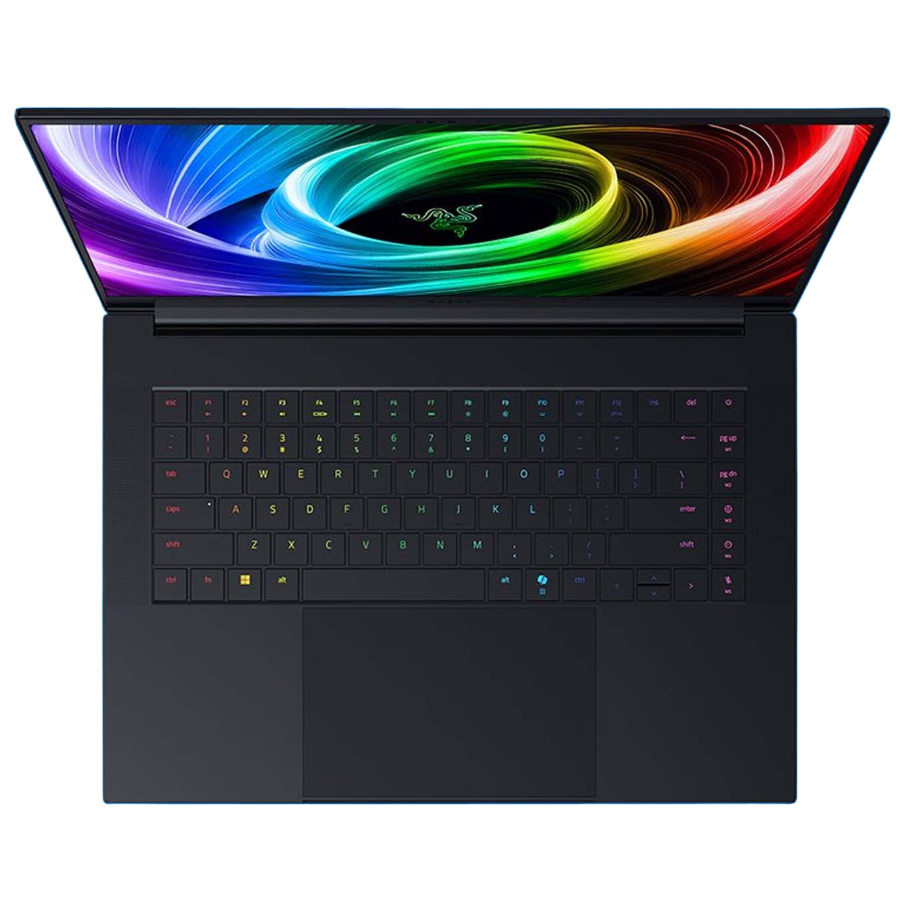
1. Best gaming laptop: Razer Blade 16
2. Best gaming PC: HP Omen 35L
3. Best handheld gaming PC: Lenovo Legion Go S SteamOS ed.
4. Best mini PC: Minisforum AtomMan G7 PT
5. Best VR headset: Meta Quest 3

You must confirm your public display name before commenting
Please logout and then login again, you will then be prompted to enter your display name.