Join The Club





Modular laptop specialist Framework has published its latest update on the memory crisis. Seemingly in response to the recent narrative around falling prices, Framework CEO Nirav Patel has a more sobering take. This is a temporary blip. More price rises are in the pipeline.
Specifically, Patel says, "we have seen costs stabilize in some areas, but all indications are that this is a temporary reprieve and that we’ll continue to see volatility and cost increases through the rest of 2026." Drat.
In the immediate term, it's therefore not surprising that Framework isn't immediately ramping up all its memory prices even further. "For this month, we’ve been able to keep our DDR5 prices for DIY Edition unchanged from last month," Patel says.
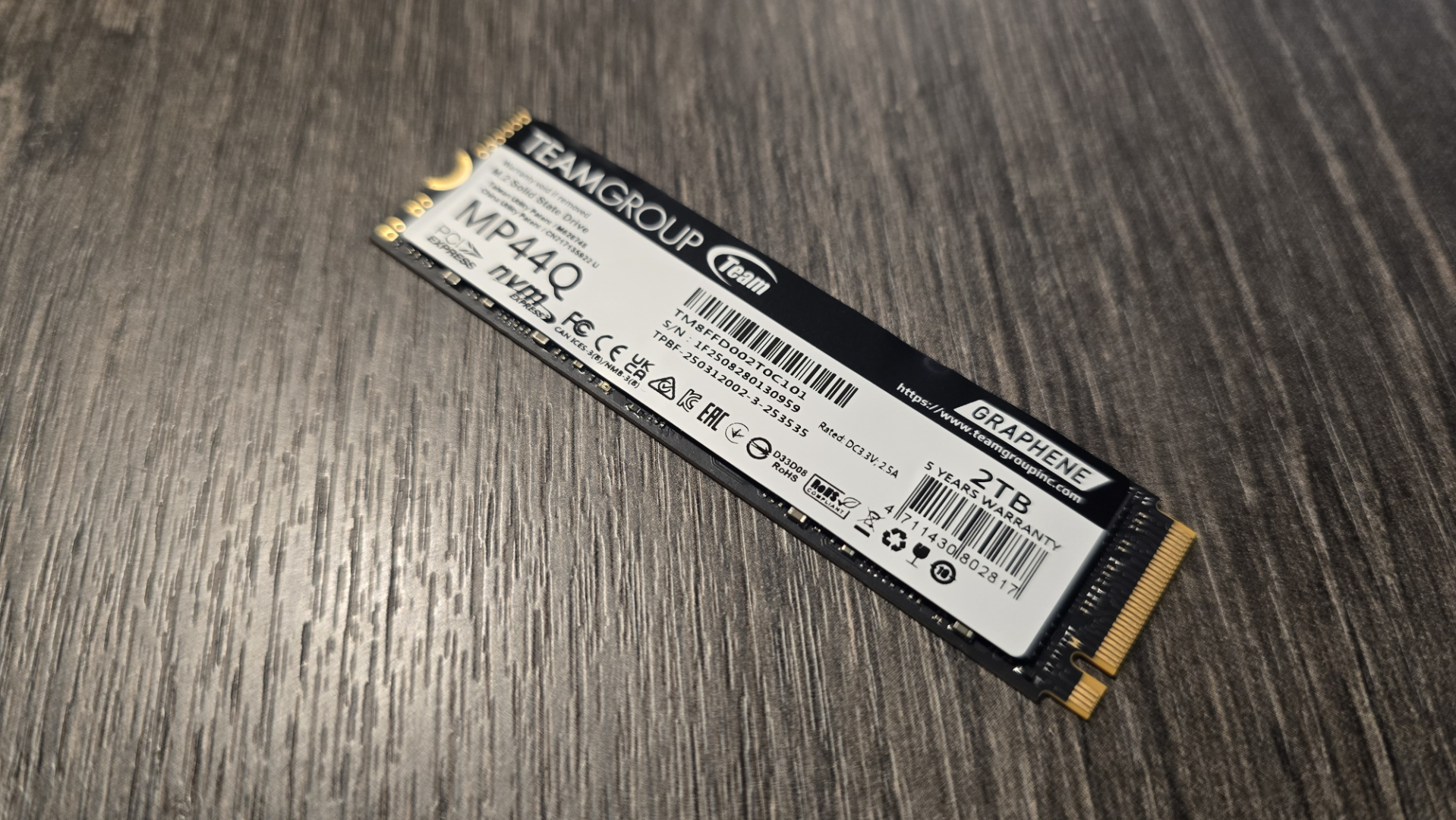
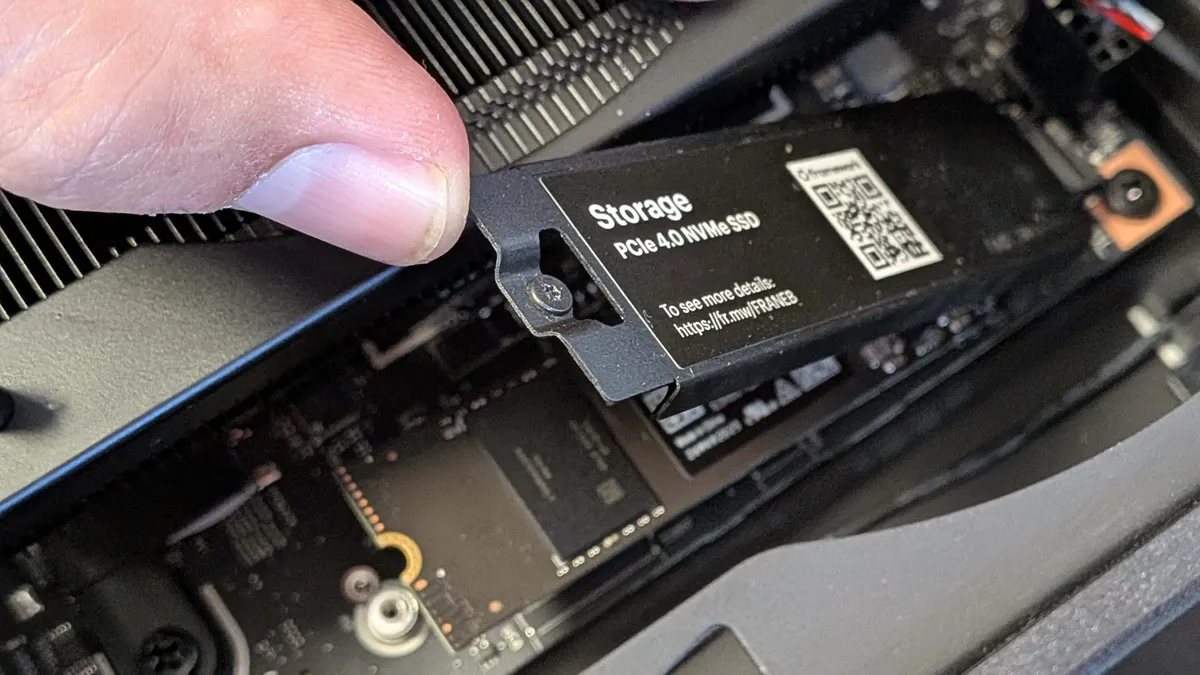
"On SSDs, we’re continuing to consume inventory we brought in at lower costs for most capacities," he adds. But further out, it seems like costs are only going one way. With SSDs, that's probably already baked in.
Framework is now depleting some of its cheaper SSD stock and is now "bringing in new inventory at substantially higher costs." The first casualty of that is the 4 TB WD SN850x, which Patel says will have to be repriced.
All that said, some of Framework's memory is going up this month. "Costs on the LPDDR5x we use in Framework Desktop continue to increase. We’ve again absorbed some of the cost, but needed to adjust pricing upwards on the 128GB version to cover the rest. Even with this, Framework Desktop remains one of the cheaper ways to get access to 128GB for running AI models locally," Patel says.
But there's better news for Framework laptops, where the company has apparently been able to offset memory prices thanks to cheaper CPUs. "For Framework Laptop 16, we have some rare good news. We were able to lock in lower CPU pricing and were able to bring prices back down to their original levels for some configurations. At the same time, with memory prices increasing, we’ve needed to increase the price of the prebuilt configuration that comes populated with 64GB of DDR5," Framework says.
Anywho, this all really confirms our suspicions that any perceived dip in memory prices is transitory and that all of this actually hinges on what happens with the AI industry. If that delivers on the hype, it's hard to see the memory market normalising for years to come. If it all goes pop, well, cheap DDR5 kits will likely return, but at the cost of who knows how much economic fallout.
1. Best overall / 4K:
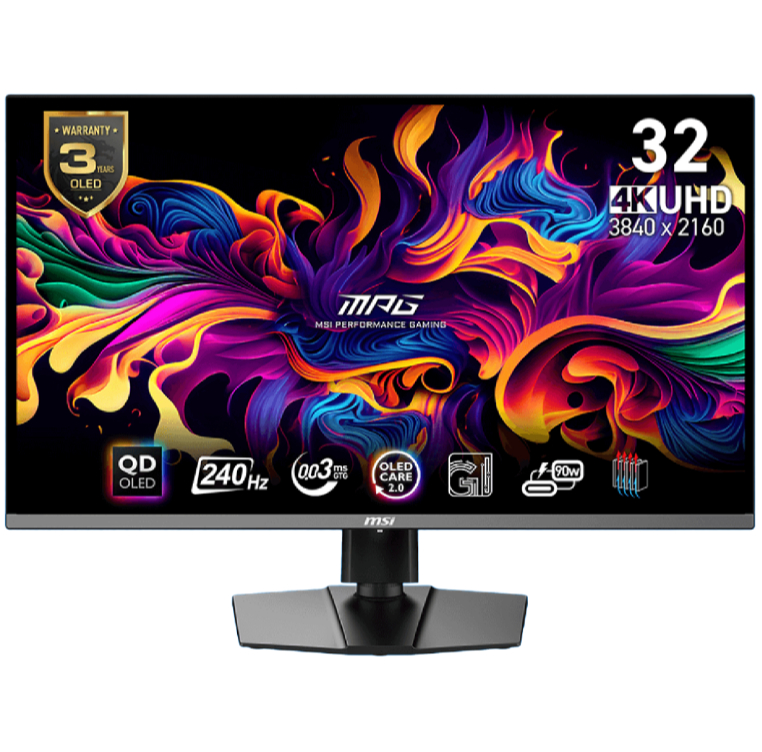
MSI MPG 321URX
2. Best budget 4K:
Asus ROG Strix XG27UCG
3. Best 1440p:
MSI MPG 271QRX
4. Best budget 1440p:
KTC H27T22C-3
5. Best 1080p:
AOC Gaming C27G4ZXE
6. Best Ultrawide:
Gigabyte MO34WQC2
7. Best budget ultrawide:
Xiaomi G34WQi
8. Best 32:9:
Samsung Odyssey OLED G9
9. Best dual-mode:
Alienware AW2725QF

You must confirm your public display name before commenting
Please logout and then login again, you will then be prompted to enter your display name.